
Medicines
Common Medicines and Their Active Ingredients: A–Z Guide
An A–Z introduction to common active ingredients, medicine classes and the most useful way to identify a medicine by generic name, strength and dosage form.

An A–Z introduction to common active ingredients, medicine classes and the most useful way to identify a medicine by generic name, strength and dosage form.
Yes, meloxicam is a prescription-only medication in the United States and most global markets. The FDA classifies it as a prescription drug due to its

Gout prescription medication addresses hyperuricemia through two distinct therapeutic approaches: acute flare management using NSAIDs, colchicine, or corticosteroids, and long-term urate-lowering therapy with xanthine oxidase

Yes. Tamiflu (oseltamivir) is a prescription-only antiviral medication in the United States, Canada, the United Kingdom, Australia, and most regulated pharmaceutical markets worldwide. The FDA
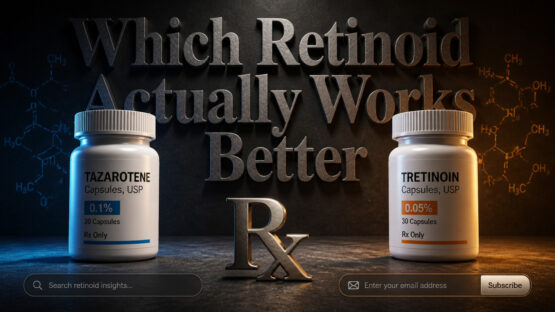
Both tazarotene and tretinoin are prescription retinoids that treat acne and photoaging, but they work differently at the cellular level. Tazarotene is a third-generation retinoid

Salicylic acid and benzoyl peroxide both clear acne, but they work through entirely different mechanisms. Salicylic acid is a beta hydroxy acid that exfoliates inside
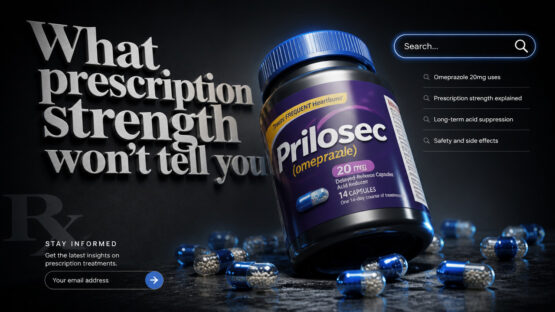
Prilosec prescription strength comes in two doses: 20mg (the standard daily strength for most GERD cases) and 40mg (used for severe erosive esophagitis or Zollinger-Ellison

Prescription blood thinners formally known as anticoagulants prevent dangerous blood clots that cause stroke, pulmonary embolism, and deep vein thrombosis. Over 6 million Americans currently

Prescription allergy medications include seven major drug classes ranging from second-generation antihistamines to monoclonal antibody biologics. In 2026, hydroxyzine and cetirizine remain the most prescribed

This comprehensive prescription allergy medication list catalogs the most effective Rx treatments available in 2026, including second-generation antihistamines, intranasal corticosteroids, leukotriene modifiers, and biologic therapies.
 Trustpilot
