Gout prescription medication addresses hyperuricemia through two distinct therapeutic approaches: acute flare management using NSAIDs, colchicine, or corticosteroids, and long-term urate-lowering therapy with xanthine oxidase inhibitors or uricosurics. Despite gout affecting 9.2 million adults, only 37% receive appropriate urate-lowering treatment, creating a significant treatment gap. Modern pharmacotherapy targets serum urate levels below 6 mg/dL while managing inflammation during acute attacks, requiring personalized medication selection based on kidney function, comorbidities, and disease severity.
Quick Answer: Core Gout Medications in 2026
Gout management splits into two therapeutic categories that serve fundamentally different purposes. Acute flare medications tackle inflammation and pain during active attacks, while urate-lowering therapy addresses the underlying metabolic cause. According to Utswmed, the prevalence of gout has steadily increased, with approximately 9.2 million American adults now affected by this painful inflammatory arthritis.
First-line urate-lowering therapies include xanthine oxidase inhibitors like allopurinol and febuxostat, which block uric acid production. Uricosurics such as probenecid enhance renal excretion of urate. Patients seeking affordable options can compare medication pricing to find cost-effective treatments that fit their healthcare budget.
| Category | Medication | Mechanism | Typical Dose | Onset |
|---|---|---|---|---|
| Acute Flare | NSAIDs (Naproxen) | COX inhibition | 750mg load, 250mg q8h | 24-48 hours |
| Acute Flare | Colchicine | Microtubule disruption | 1.2mg then 0.6mg q1h | 18-24 hours |
| Acute Flare | Prednisone | Anti-inflammatory | 30-40mg daily | 24-48 hours |
| Urate-Lowering | Allopurinol | Xanthine oxidase inhibitor | 100-300mg daily | 2-4 weeks |
| Urate-Lowering | Febuxostat | Xanthine oxidase inhibitor | 40-80mg daily | 2-4 weeks |
| Urate-Lowering | Probenecid | Uricosuric | 500mg-1000mg BID | 2-4 weeks |
NSAIDs as First-Line Acute Gout Treatment
Non-steroidal anti-inflammatory drugs remain the cornerstone of acute gout flare management for patients without contraindications. Naproxen, indomethacin, and selective COX-2 inhibitors effectively reduce inflammation within 24 to 48 hours when dosed appropriately. Medscape notes that first-line urate-lowering therapies include xanthine oxidase inhibitors like allopurinol and febuxostat, while NSAIDs serve as primary acute treatment options.
Naproxen offers particular advantages due to its favorable gastrointestinal tolerability compared to indomethacin. Patients can access Naproxen 250mg tablets through verified online pharmacies, making acute treatment accessible and affordable. MyRxBox provides Naprosyn 250mg at competitive pricing, delivering effective anti-inflammatory relief for gout attacks.
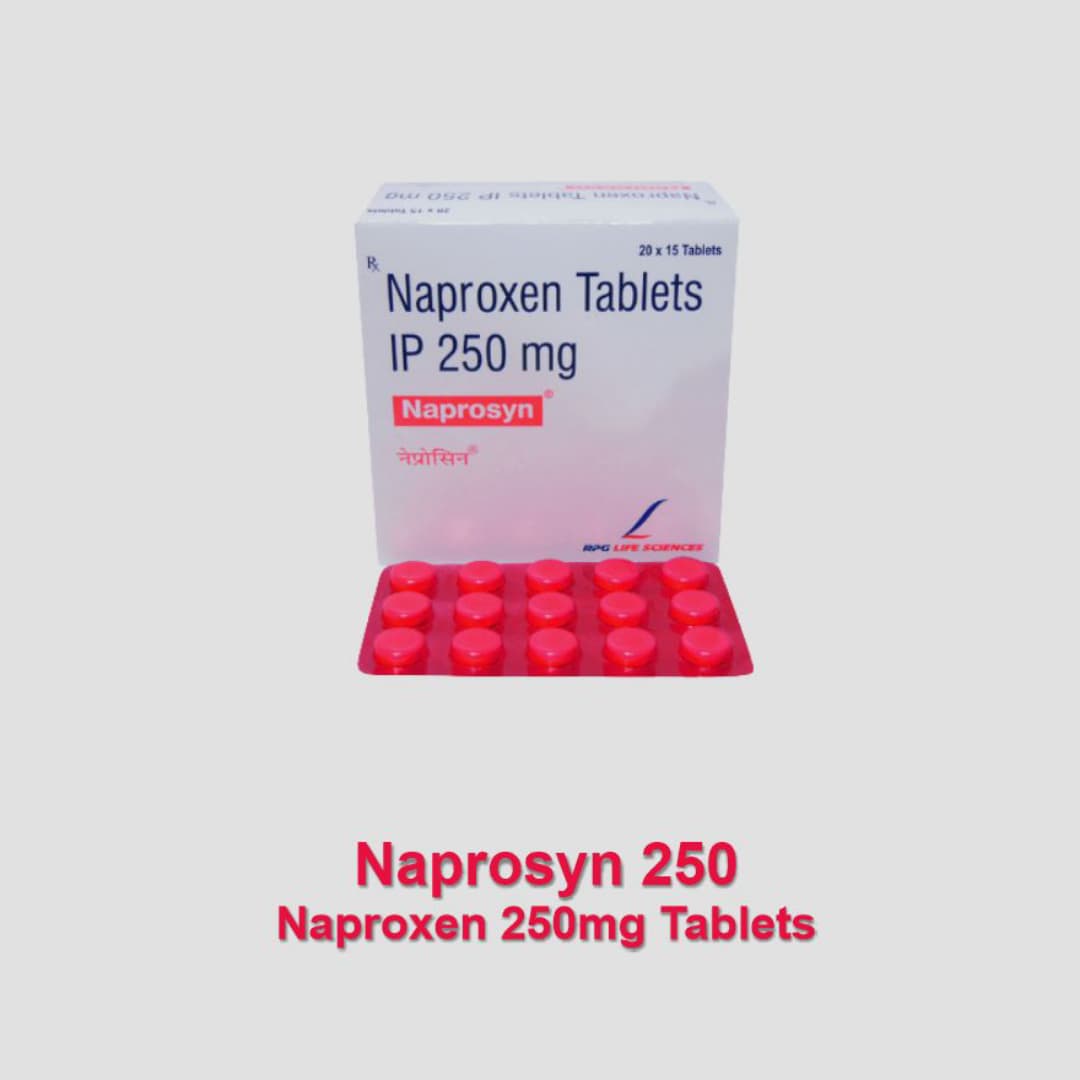
- Naproxen Onset 24-48h; lower cardiovascular risk than selective COX-2 inhibitors
- Indomethacin Onset 12-24h; traditional first-line but higher GI toxicity
- Celecoxib Onset 24h; COX-2 selective; option for patients with GI concerns
- Sulindac Onset 24-48h; alternative with moderate renal safety profile
- Ibuprofen Onset 24h; less studied in gout but widely available
Xanthine Oxidase Inhibitors: Allopurinol vs. Febuxostat
Xanthine oxidase inhibitors form the foundation of long-term urate-lowering therapy. Allopurinol has served as the gold standard for over 50 years, while febuxostat entered the market as a potent alternative. Both medications block xanthine oxidase, preventing the conversion of hypoxanthine to xanthine and xanthine to uric acid.
According to Nih, gout affects approximately 9.2 million adults in the United States, with prevalence increasing due to dietary factors, metabolic syndrome, and longer lifespans. This growing patient population requires reliable access to prescription medicine access for chronic disease management.

| Parameter | Allopurinol | Febuxostat |
|---|---|---|
| Mechanism | Purine analog XO inhibitor | Non-purine selective XO inhibitor |
| Starting Dose | 100mg daily | 40mg daily |
| Target Dose | 300mg daily (max 800mg) | 80mg daily (max 120mg) |
| Renal Adjustment | Start at 50mg if eGFR <30 | No adjustment needed |
| Monthly Cost | $10-30 generic | $300+ brand |
| Monitoring | LFTs, CBC, renal function | LFTs, cardiovascular monitoring |
Colchicine: Mechanism and Optimal Dosing Protocols
Colchicine works through a unique mechanism disrupting microtubule polymerization in neutrophils, which prevents these inflammatory cells from migrating into affected joints. This targeted approach makes colchicine particularly effective for gout flares while sparing other inflammatory pathways.
Modern colchicine treatment has shifted dramatically from older high-dose protocols. The 2026 approach favors low-dose regimens that minimize toxicity while maintaining efficacy. According to Arthritis, first-line urate-lowering therapies include xanthine oxidase inhibitors like allopurinol, while colchicine serves as a primary option for acute attack management.
Patients requiring stronger anti-inflammatory effects may consider higher-dose anti-inflammatory options, though dosing should always follow physician guidance to avoid serious toxicity.
- Atorvastatin/Simvastatin Increased statin levels; risk of myopathy
- Clarithromycin/Erythromycin Potent CYP3A4 inhibition; colchicine toxicity risk
- Diltiazem/Verapamil Moderate CYP3A4 inhibition; dose reduction required
- Cyclosporine P-gp inhibition; increased colchicine exposure
- Grapefruit Juice CYP3A4 inhibition; avoid large quantities
- Ketoconazole/Itraconazole Strong CYP3A4 inhibitors; contraindicated
How to Select Between Uricosuric and Uricostatic Agents
Choosing between uricosurics and uricostatic agents requires careful patient assessment. Uricostatic therapy using xanthine oxidase inhibitors applies broadly to most gout patients. Uricosurics like probenecid serve specific populations: underexcreters with preserved renal function and no history of nephrolithiasis.
The selection process begins with a 24-hour urinary uric acid measurement to determine whether the patient is an underexcreter, overproducer, or mixed type. Patients sourcing from trusted pharmaceutical suppliers should understand that medication choice depends on individual metabolic patterns, not just cost or convenience.
| Patient Factor | Allopurinol/Febuxostat | Probenecid |
|---|---|---|
| eGFR >60 | First-line | Appropriate |
| eGFR 30-60 | First-line; adjust dose | Reduced efficacy |
| eGFR <30 | Preferred; start low | Contraindicated |
| Kidney Stones History | Preferred | Contraindicated |
| Underexcretion Type | Effective | Highly effective |
| Overproduction Type | First-line | Ineffective |
Corticosteroids for Polyarticular Gout and NSAID Contraindications
Oral corticosteroids provide an essential alternative for patients who cannot tolerate NSAIDs or colchicine. Prednisone remains the most commonly prescribed systemic steroid, typically dosed at 30-40mg daily with a gradual taper over 10-14 days. Intra-articular injections offer targeted relief for monoarticular flares when joint aspiration confirms the diagnosis.
Clinical scenarios favoring corticosteroid selection include cardiovascular disease that precludes NSAID use, chronic kidney disease, history of GI bleeding, and concomitant anticoagulation therapy. Patients completing treatment can use secure prescription checkout for convenient medication refills.
- Chronic Kidney Disease eGFR <30 precludes NSAID use; steroids safer
- Cardiovascular Disease NSAIDs increase cardiac risk; prednisone preferred
- GI Bleeding History NSAIDs contraindicated; steroids with PPI coverage
- Polyarticular Involvement Multiple joints respond well to systemic steroids
How to Prevent Gout Flares During Urate-Lowering Initiation
Starting urate-lowering therapy paradoxically increases gout flare risk during the first 3-6 months. Crystallization dynamics shift as serum urate levels drop, mobilizing existing tophi and triggering inflammatory cascades. Prophylactic medication prevents these mobilization flares, improving treatment adherence.
The treat-to-target approach emphasizes achieving serum urate below 6 mg/dL, or below 5 mg/dL for patients with tophi. Patients comparing costs can use medication cost comparison tools to budget for both acute and chronic gout medications throughout the titration period.
- Start prophylactic colchicine 0.6mg once or twice daily beginning 1-2 weeks before urate-lowering therapy
- Initiate allopurinol at 100mg daily Lower starting dose reduces flare frequency
- Titrate allopurinol every 2-4 weeks Increase by 100mg increments toward target dose
- Monitor serum urate levels Check at 2-4 week intervals during titration
- Maintain prophylaxis for 3-6 months Continue until stable at target urate level
- Discontinue prophylaxis gradually Taper colchicine once flares subside for 3+ months
Key Takeaways: Optimizing Gout Pharmacotherapy
Successful gout management requires a comprehensive strategy that addresses both acute symptoms and underlying hyperuricemia. The treat-to-target approach has transformed outcomes for millions of patients, though adherence barriers persist. Patients accessing international prescription delivery should maintain regular monitoring and open communication with healthcare providers.
Modern gout therapy emphasizes individualized treatment selection, proper prophylaxis during urate-lowering initiation, and sustained medication adherence. With appropriate pharmacotherapy, most patients achieve remission and prevent complications like tophi, joint destruction, and nephrolithiasis.
- Treat to target Serum urate below 6 mg/dL; below 5 mg/dL if tophi present
- Use prophylaxis Colchicine or NSAIDs for 3-6 months when initiating therapy
- Individualize selection Consider renal function, comorbidities, and drug interactions
- Monitor regularly Serum urate, renal function, and liver enzymes every 2-4 weeks during titration
- Address flares promptly Acute treatment prevents prolonged suffering and disability
- Encourage adherence Education and affordable access improve long-term outcomes
- Screen for comorbidities Gout associates with cardiovascular disease, diabetes, and kidney disease
FAQ: Gout Prescription Medication Questions
Can I stop allopurinol once my gout flares stop?
No. Allopurinol requires lifelong continuation to maintain target serum urate levels. Discontinuation leads to urate accumulation and recurrent flares within months. Patients stopping therapy experience rebound hyperuricemia with potential for severe gout attacks. Long-term adherence remains essential for sustained remission and tophi resolution.
Which medication works fastest for acute gout attacks?
NSAIDs and corticosteroids. Both provide symptom relief within 24-48 hours of initiation. Colchicine demonstrates efficacy within 18-24 hours when started early. Treatment initiation within 24 hours of symptom onset significantly improves response rates across all medication classes. Early intervention remains the key factor for rapid resolution.
Does febuxostat have more cardiovascular risk than allopurinol?
Potentially. Early trials suggested increased cardiovascular events with febuxostat compared to allopurinol. Subsequent studies have produced conflicting results, and current guidelines recommend individualized selection. Patients with cardiovascular history should discuss risks with their physicians when choosing between xanthine oxidase inhibitors.
Can I take colchicine with my statin medication?
With caution. Colchicine and statins share metabolic pathways, increasing myopathy risk. Monitoring for muscle symptoms remains essential, particularly in older adults. Dose reduction may be necessary for patients requiring both medications. Alternative anti-inflammatory agents exist for patients with significant risk factors.
Will insurance cover brand-name gout medications?
Usually generic preferred. Most insurance plans require generic allopurinol before approving febuxostat. Prior authorization processes apply for brand medications when generics fail. Patient assistance programs help reduce costs for those without coverage. MyRxBox offers competitive pricing on generic options for cost-conscious patients.
How long until urate-lowering therapy prevents flares?
6-12 months typically. Flares decrease significantly after achieving target serum urate and maintaining prophylaxis. Complete resolution may take 1-2 years for patients with extensive tophi. Early prophylaxis and proper titration accelerate the timeline. Patient adherence directly correlates with time to remission.
Can probenecid work with kidney disease?
Limited efficacy below eGFR 30. Probenecid requires functional renal transporters for uricosuric action. Alternative medications like allopurinol or febuxostat work better in kidney impairment. Patients with reduced renal function should discuss xanthine oxidase inhibitor options rather than uricosurics.
What gout medications are safe during pregnancy?
Limited options exist. Acute flares may be managed with corticosteroids after first trimester. Colchicine carries teratogenicity risk and generally should be avoided. Allopurinol lacks adequate safety data and remains Category C. Pregnant patients should consult specialists for individualized treatment recommendations.