

This comprehensive prescription allergy medication list catalogs the most effective Rx treatments available in 2026, including second-generation antihistamines, intranasal corticosteroids, leukotriene modifiers, and biologic therapies. With over 24 million Americans receiving prescriptions for allergic rhinitis annually, understanding your options from cetirizine and montelukast to omalizumab helps you work with your physician to select evidence-based treatment that matches your symptom severity, cost requirements, and lifestyle. This guide delivers clinical data, safety profiles, and practical access information for every major prescription allergy medication class.
Quick Answer: Top Prescription Allergy Medications in 2026
Finding the right allergy medication can feel overwhelming when you’re facing a wall of options at the pharmacy. Prescription allergy medications generally fall into several distinct classes, each targeting specific symptoms and inflammatory pathways. The most prescribed options balance efficacy with minimal side effects, and your choice often depends on whether you’re battling nasal congestion, itchy eyes, or systemic symptoms.
According to Clincalc, prescription fill rates for allergic rhinitis treatments reveal clear patient preferences and physician prescribing patterns that favor non-sedating formulations with once-daily dosing convenience.
| Medication Name (Generic/Brand) | Drug Class | Typical Dosage | Primary Use |
|---|---|---|---|
| Cetirizine (Zyrtec) | Second-Gen Antihistamine | 5-10mg daily | Hay fever, urticaria |
| Levocetirizine (Xyzal) | Second-Gen Antihistamine | 2.5-5mg daily | Perennial allergic rhinitis |
| Desloratadine (Clarinex) | Second-Gen Antihistamine | 5mg daily | Seasonal allergies |
| Fexofenadine (Allegra) | Second-Gen Antihistamine | 60-180mg daily | Non-drowsy relief |
| Fluticasone (Flonase) | Intranasal Corticosteroid | 2 sprays per nostril daily | Nasal congestion, inflammation |
| Mometasone (Nasonex) | Intranasal Corticosteroid | 2 sprays per nostril daily | Nasal symptoms prevention |
| Montelukast (Singulair) | Leukotriene Modifier | 10mg daily | Allergic rhinitis + asthma |
| Omalizumab (Xolair) | Monoclonal Antibody | 150-300mg SC q2-4wks | Refractory chronic rhinitis |
Prescription antihistamines remain the most common starting point for patients with mild to moderate symptoms. For those with significant nasal congestion, intranasal corticosteroids provide targeted anti-inflammatory action directly where it’s needed most.

Second-Generation Antihistamines: First-Line Prescription Options
Second-generation antihistamines have largely replaced older first-generation drugs like diphenhydramine for routine allergy management. These newer agents offer comparable symptom relief without the significant sedation and anticholinergic effects that limited daily use of their predecessors.
The key advantage lies in their selectivity. Second-generation antihistamines primarily block peripheral H1 receptors without crossing the blood-brain barrier in significant amounts. This means they stop the histamine response responsible for itching, sneezing, and runny nose while leaving you functional and alert.
A 2026 meta-analysis from Nih confirms that second-generation antihistamines like cetirizine, loratadine, and fexofenadine demonstrate excellent safety profiles with minimal drug interactions, making them appropriate for most adult patients and children over certain age thresholds.
- Cetirizine: Highly effective for both seasonal and perennial allergies, with onset within one hour. May cause mild drowsiness in some patients.
- Levocetirizine: The active enantiomer of cetirizine, offering potentially better symptom control at lower doses with similar safety.
- Desloratadine: Long-acting option with proven efficacy for nasal congestion and ocular symptoms, truly non-sedating for most users.
- Fexofenadine: Least likely to cause drowsiness among the class, making it ideal for drivers or those with demanding mental workloads.
- Hydroxyzine: Occasionally prescribed for severe urticaria, though it’s a first-generation agent with sedating properties.
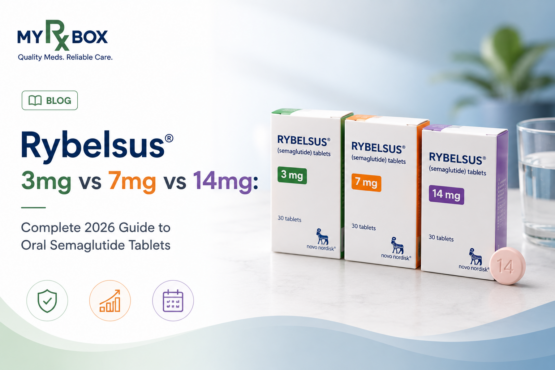
When starting any prescription antihistamine, proper label interpretation matters. For more guidance on interpreting dosing instructions and warning labels, see our guide on understanding your prescription label.
Timing your dose can improve results. Many physicians recommend taking your prescribed antihistamine at the same time each day to maintain steady plasma concentrations. evening dosing may help those who experience morning symptom flares upon waking.
Intranasal Corticosteroids: Strongest Evidence-Based Relief
For allergic rhinitis dominated by nasal congestion, intranasal corticosteroids represent the most effective pharmacologic option available. These prescription nasal sprays work by directly reducing inflammatory mediators in the nasal mucosa, shrinking swollen tissue and blocking the immune cascade that makes breathing through your nose feel impossible.
Unlike oral antihistamines, intranasal corticosteroids address the underlying inflammation rather than just blocking histamine. This makes them particularly effective for congestion, often the most bothersome symptom cataloged on any prescription allergy medication list.
Nih research demonstrates that second-generation antihistamines combined with intranasal corticosteroids produce additive benefits for patients with moderate to severe allergic rhinitis, though the steroid spray provides superior nasal symptom control when used as monotherapy.
| Medication | Onset Time | Peak Effect | Common Side Effects |
|---|---|---|---|
| Fluticasone Propionate | 12-24 hours | Several days | Nasal irritation, epistaxis |
| Mometasone Furoate | 12-24 hours | 1-2 weeks | Headache, nasal burning |
| Budesonide | 24-48 hours | 2-4 weeks | Cough, nosebleeds |
| Triamcinolone Acetonide | 24 hours | 1-2 weeks | Nasal dryness, sneezing |
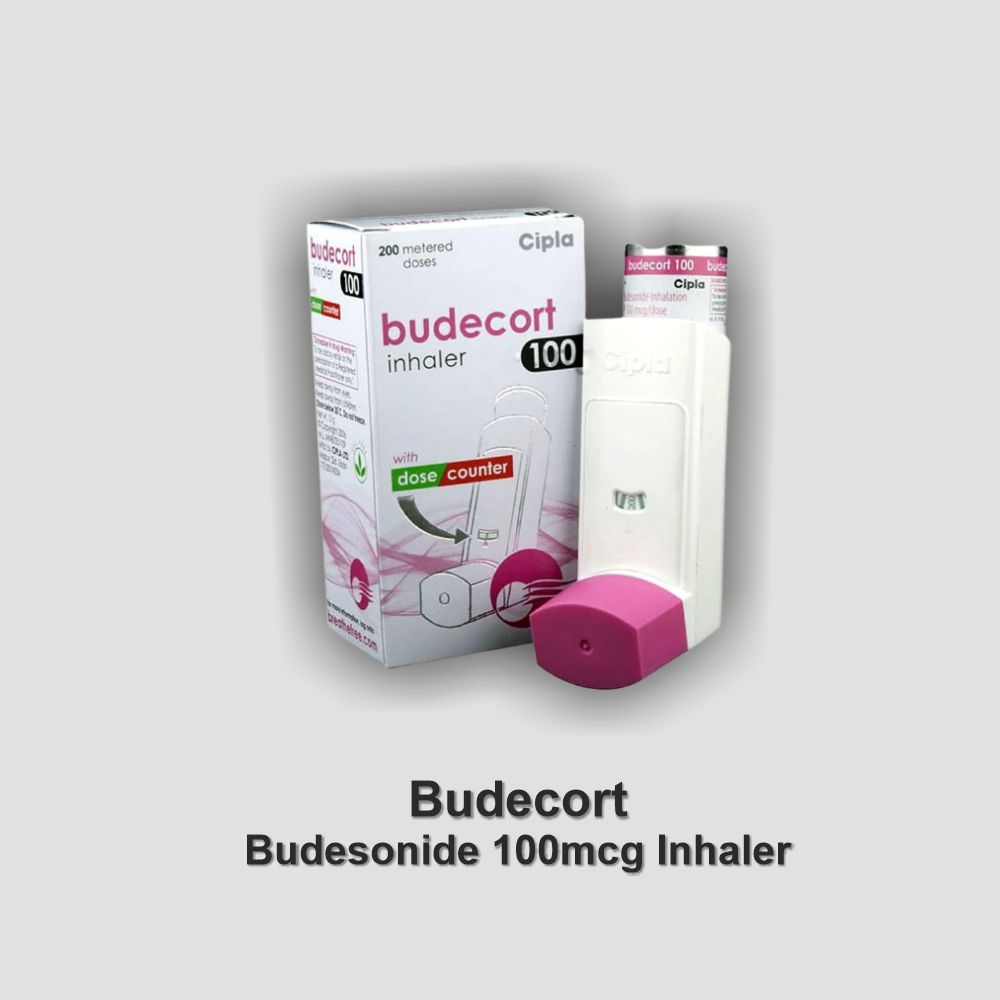
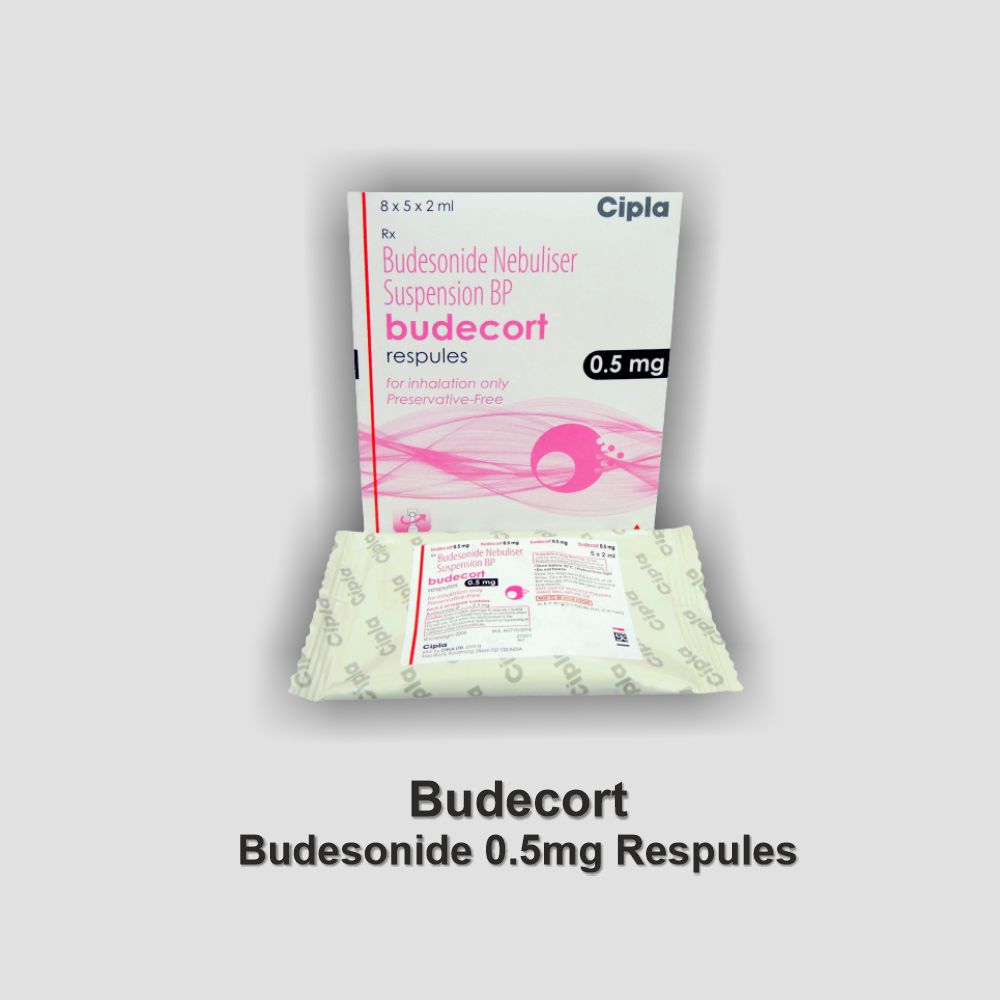
Budesonide offers unique versatility as both a nasal spray and nebulized formulation. For specific guidance on nebulized preparations, our resource on budesonide respules provides detailed usage instructions.
Proper technique transforms effectiveness. Many patients stop using their nasal spray because they’ve never been taught correct administration: aim slightly away from the nasal septum, don’t sniff hard after spraying, and consistent daily use matters more than perfect timing.
Leukotriene Modifiers: Montelukast and Zafirlukast Explained
Leukotriene modifiers work through an entirely different mechanism than antihistamines or corticosteroids. These oral medications block leukotrienes, inflammatory chemicals released by mast cells during allergic reactions. This pathway proves particularly relevant for patients whose allergies trigger both upper respiratory symptoms and lower airway issues like asthma.
Montelukast stands as the primary prescribed option in this class, offering convenient once-daily 10mg dosing for adults. That said, this medication requires careful consideration of its safety profile and proper patient selection.
- Dual indication advantage: Montelukast treats both allergic rhinitis and asthma, making it valuable for patients with overlapping conditions.
- Dosing flexibility: Available in 10mg tablets for adults, with pediatric formulations for younger patients aged 2 and older.
- FDA black box warning: In 2020, the FDA added a boxed warning regarding neuropsychiatric events including agitation, depression, and sleep disturbances.
- Patient monitoring essential: Prescribers should discuss mental health history before starting and monitor for mood changes during therapy.
- Combination potential: Often paired with antihistamines for refractory cases when single-agent therapy proves insufficient.
The neuropsychiatric warning doesn’t mean montelukast should never be prescribed, but it does demand informed decision-making. Patients should understand both the benefits and potential risks before starting therapy. For deeper context on emerging safety data, our medication research section tracks ongoing pharmacovigilance findings.
How to Match Prescription Allergy Medication to Your Symptom Profile
No single medication works best for every symptom. Your dominant complaint whether that’s relentless sneezing, congestion that blocks sleep, or itchy eyes that make contact lenses impossible should guide your prescription selection. Working with your physician to map symptoms to treatment improves outcomes and reduces unnecessary polypharmacy.
Understanding the strengths of each class helps you have productive conversations with your prescriber. For more on interpreting medication names and classes, see our guide to decode your medication name.
| Dominant Symptom | Optimal First-Line Choice | Add-On Options |
|---|---|---|
| Sneezing, Itching, Rhinorrhea | Second-gen antihistamine | Intranasal corticosteroid |
| Nasal Congestion | Intranasal corticosteroid | Leukotriene modifier |
| Ocular Symptoms | Oral antihistamine + eye drops | Intranasal corticosteroid |
| Allergy + Asthma Overlap | Montelukast or inhaled corticosteroid | Biologic therapy |
| Refractory/Severe Cases | Combination therapy | Omalizumab biologic |
Combination therapy makes sense when single-agent treatment leaves you with residual symptoms. A typical approach pairs an oral antihistamine with an intranasal corticosteroid, targeting both systemic histamine effects and local nasal inflammation simultaneously.
Biologic Injections for Severe Allergic Rhinitis and Asthma
For patients whose symptoms remain uncontrolled despite maximal conventional therapy, biologic medications offer a different approach entirely. These injected monoclonal antibodies target specific points in the immune cascade, interrupting the allergic response at its source rather than managing downstream effects.
Omalizumab, the most established biologic for allergic diseases, works by binding to immunoglobulin E (IgE), the antibody responsible for initiating allergic reactions. By reducing free IgE levels, omalizumab dampens the entire allergic cascade before it begins. Rxless data indicates that biologic prescriptions for allergic conditions have increased significantly as awareness grows and insurance coverage expands.
- Omalizumab (Xolair): Targets IgE, approved for moderate-to-severe persistent allergic asthma and chronic rhinosinusitis with nasal polyps.
- Dupilumab (Dupixent): Blocks IL-4 and IL-13 signaling, effective for atopic dermatitis, asthma, and chronic rhinosinusitis with polyps.
- Mepolizumab (Nucala): IL-5 inhibitor primarily for eosinophilic asthma, sometimes used in severe allergic phenotypes.
- Benralizumab (Fasenra): Another IL-5 pathway blocker for eosinophilic conditions with allergic components.
Biologics require injection administration, either in-office or via self-injection after proper training. Cost remains a significant consideration, and navigating insurance requirements can feel daunting. When weighing options, compare medication prices across sources to understand your potential out-of-pocket exposure.
Seasonal Prescription Patterns and Optimal Timing [2026 Data]
Timing matters as much as medication selection. Allergy seasons have grown longer and more intense over recent decades, with pollen seasons starting earlier and extending further into fall. Prescription fill data reflects this pattern, showing clear peaks aligned with plant flowering cycles.
Goodrx research tracks prescription fills for allergy medications and found that fills typically peak in spring (March and April), aligning with tree pollen surges across most regions.
Preemptive dosing starting medication before symptoms hit often outperforms reactive treatment. Many allergists recommend beginning your prescription regimen two to four weeks before your typical allergy season starts. This allows intranasal corticosteroids to reach full effect and antihistamines to establish steady-state concentrations.
For patients wondering about safe and convenient acquisition channels, our guide on buying medication online safely covers verification steps and red flags to avoid.
Year-round versus as-needed prescribing depends on symptom pattern. Perennial allergies from dust mites or pet dander may warrant continuous daily therapy, while purely seasonal sufferers might step down treatment during off-months. Your physician can help determine whether continuous or intermittent dosing better suits your clinical picture.
Key Takeaways: Choosing and Accessing Prescription Allergy Medications
Selecting the right medication from this prescription allergy medication list requires matching drug class to symptom pattern, weighing safety considerations, and factoring in practical concerns like cost and access. Working closely with your physician ensures your treatment plan reflects current evidence while addressing your specific needs.
- Second-generation antihistamines remain first-line for sneezing, itching, and mild symptoms, with excellent safety and non-sedating profiles.
- Intranasal corticosteroids provide the strongest evidence for nasal congestion and should be used consistently for maximum benefit.
- Leukotriene modifiers like montelukast offer dual benefits for allergy-asthma overlap but require monitoring for neuropsychiatric effects.
- Biologic therapies represent options for refractory cases when conventional medications prove insufficient.
- Timing your start date two to four weeks before allergy season improves outcomes over reactive treatment.
- Combination therapy often works better than single-agent treatment for moderate to severe allergic rhinitis.
Access to prescription allergy medications shouldn’t create additional stress. Competitive pricing and reliable worldwide delivery from established online pharmacies like myRxBox make obtaining your prescribed treatments straightforward. Explore myRxBox prescription options to view available medications and pricing information.
FAQ: Prescription Allergy Medication List
What is the strongest prescription allergy medication?
Intranasal corticosteroids like fluticasone and mometasone are considered the strongest. Studies consistently show superior nasal symptom control compared to antihistamines. For refractory cases, biologic injections like omalizumab offer potent immune modulation.
Is an antihistamine or nasal spray better for allergies?
It depends on your dominant symptom antihistamines for itching/sneezing, nasal sprays for congestion. Antihistamines work well for mild systemic symptoms, while intranasal corticosteroids outperform for nasal congestion specifically. Many patients benefit from combining both classes.
How much do prescription allergy medications cost without insurance?
Generic oral antihistamines typically cost $10-30 monthly, while brand options and nasal sprays range higher. Biologics can exceed $1,000 per month without coverage. Discount programs and international pharmacy options can significantly reduce out-of-pocket costs.
When should I refill my prescription allergy medication?
Request refills 5-7 days before running out to avoid treatment gaps. Continuous therapy works better than intermittent dosing for most allergy medications. Missing doses allows inflammation to re-establish, reducing overall effectiveness.
Can I take multiple prescription allergy medications together?
Yes, combination therapy is common and generally safe when prescribed appropriately. Antihistamines paired with intranasal corticosteroids provide additive benefits. Always check with your physician before combining medications or adding over-the-counter options.
What prescription allergy medications are safe for children?
Several options have pediatric approvals, including cetirizine, levocetirizine, and montelukast. Age cutoffs vary by specific medication, with some approved down to age two. Pediatric dosing differs from adult recommendations, so follow your physician’s guidance precisely.