

Prescription allergy medications include seven major drug classes ranging from second-generation antihistamines to monoclonal antibody biologics. In 2026, hydroxyzine and cetirizine remain the most prescribed allergy drugs globally, while North America commands 38.95% of the allergic rhinitis pharmaceutical market. This definitive list breaks down each medication category by mechanism, efficacy data, and real-world prescription patterns to help you understand what your physician may recommend.
Quick Reference: Prescription Allergy Medication Categories [2026 Data]
Physicians select allergy medications based on symptom severity, patient history, and specific allergic triggers. The prescription allergy formulary encompasses seven distinct drug classes, each targeting different points in the inflammatory cascade. Understanding these categories helps patients have informed conversations with their healthcare providers about which option fits their situation.
Prescription antihistamines form the most frequently prescribed category, followed by intranasal corticosteroids and leukotriene modifiers. More specialized treatments like immunotherapy and biologics serve patients with refractory or severe disease. According to Clincalc, hydroxyzine and cetirizine emerged as the two most commonly prescribed allergy medications in recent prescription data, reflecting their established safety profiles and broad applicability.
| Drug Class | Common Prescriptions | Primary Use | Typical Duration |
|---|---|---|---|
| Second-Gen Antihistamines | Cetirizine, Levocetirizine, Desloratadine | Hay fever, urticaria | Daily, as needed |
| First-Gen Antihistamines | Hydroxyzine, Promethazine, Diphenhydramine | Acute reactions, sedation needed | Short-term use |
| Intranasal Corticosteroids | Fluticasone, Mometasone, Budesonide | Allergic rhinitis, nasal congestion | Daily, long-term |
| Leukotriene Modifiers | Montelukast, Zafirlukast | Asthma, allergic rhinitis | Daily maintenance |
| Mast Cell Stabilizers | Cromolyn Sodium | Preventive allergy relief | Before exposure |
| Immunotherapy | Sublingual tablets, SCIT injections | Long-term desensitization | 3-5 years |
| Biologics | Omalizumab, Dupilumab | Severe, refractory disease | Biweekly to monthly |

Second-Generation Prescription Antihistamines: Non-Drowsy Oral Treatments
Second-generation prescription antihistamines revolutionized allergy treatment by providing effective symptom relief without the pronounced sedation associated with older drugs. These medications selectively block peripheral H1 receptors while sparing central nervous system receptors, allowing patients to maintain alertness during work and daily activities.
Prescription-strength cetirizine typically comes in higher doses than over-the-counter versions, with physicians sometimes prescribing 20mg daily for severe urticaria cases. Levocetirizine, the active R-enantiomer of cetirizine, offers comparable efficacy at lower doses typically 5mg daily and may cause less drowsiness in sensitive individuals. Desloratadine provides a long duration of action suitable for once-daily dosing, while fexofenadine remains the least sedating option in this class.
The key difference between prescription and OTC versions lies not just in dosage flexibility but also in insurance coverage and physician oversight. Prescription formulations allow physicians to adjust dosing based on individual response and to monitor for potential drug interactions that might otherwise go unaddressed with self-medication.
- Cetirizine 10-20mg Prescription strength for severe allergic rhinitis and chronic urticaria
- Levocetirizine 5mg Active isomer with potentially better tolerability profile
- Desloratadine 5mg Long-acting option for once-daily maintenance therapy
- Fexofenadine 60-180mg Least sedating, available in multiple prescription strengths
- Bilastine 20mg Newer option with minimal CNS penetration and no food interactions

Cost transparency matters when considering prescription allergy relief. Patients can check current antihistamine pricing to compare options before discussing generic alternatives with their prescriber.
First-Generation Antihistamines: When Sedation Is Therapeutically Useful
First-generation antihistamines remain relevant in modern prescribing despite their sedating effects. In certain clinical scenarios, the drowsiness these medications cause becomes therapeutically advantageous rather than a side effect to avoid. Physicians prescribe them when sleep disturbances accompany allergic symptoms, or when patients need acute relief from severe pruritus and anxiety related to allergic reactions.
Hydroxyzine stands as the most prescribed medication in this category, particularly for patients with chronic urticaria or allergic skin conditions where sedation helps break the itch-scratch cycle. Promethazine offers additional antiemetic properties, making it useful for patients experiencing both allergic symptoms and nausea. Diphenhydramine, while widely available over-the-counter, appears in prescription protocols for acute allergic reactions and anaphylaxis adjunctive treatment.
ClinCalc DrugStats data cited by Clincalc confirms that hydroxyzine consistently ranks among the top prescribed allergy medications, demonstrating that first-generation antihistamines maintain an important place in therapeutic arsenals despite the availability of newer alternatives.
Patients should learn to read prescription labels correctly to understand sedation warnings and timing recommendations that help manage drowsiness while maintaining symptom control.
Prescription Intranasal Corticosteroids: Gold-Standard Rhinitis Control
Intranasal corticosteroids represent the most effective pharmacologic option for allergic rhinitis, particularly for patients whose primary symptoms involve nasal congestion, sneezing, and postnasal drip. These medications work by reducing inflammatory mediators in nasal mucosa, providing comprehensive relief that oral antihistamines cannot match for nasal obstruction.
Prescription formulations of fluticasone propionate and fluticasone furoate offer different delivery systems and potency levels. Mometasone furoate nasal spray provides once-daily dosing with minimal systemic absorption, making it suitable for long-term maintenance. Budesonide remains a mainstay for both allergic and non-allergic rhinitis, often prescribed as respules for nasal irrigation in severe cases. Ciclesonide, a newer prodrug activated locally in nasal tissue, offers reduced local side effects compared to older formulations.
Unlike oral antihistamines which work within hours, intranasal corticosteroids require consistent daily use for maximum benefit. Patients typically notice improvement within 12 hours of the first dose, but peak efficacy develops over one to two weeks of regular administration. This delayed onset catches many patients unaware, leading to premature discontinuation before the medication reaches full effectiveness.
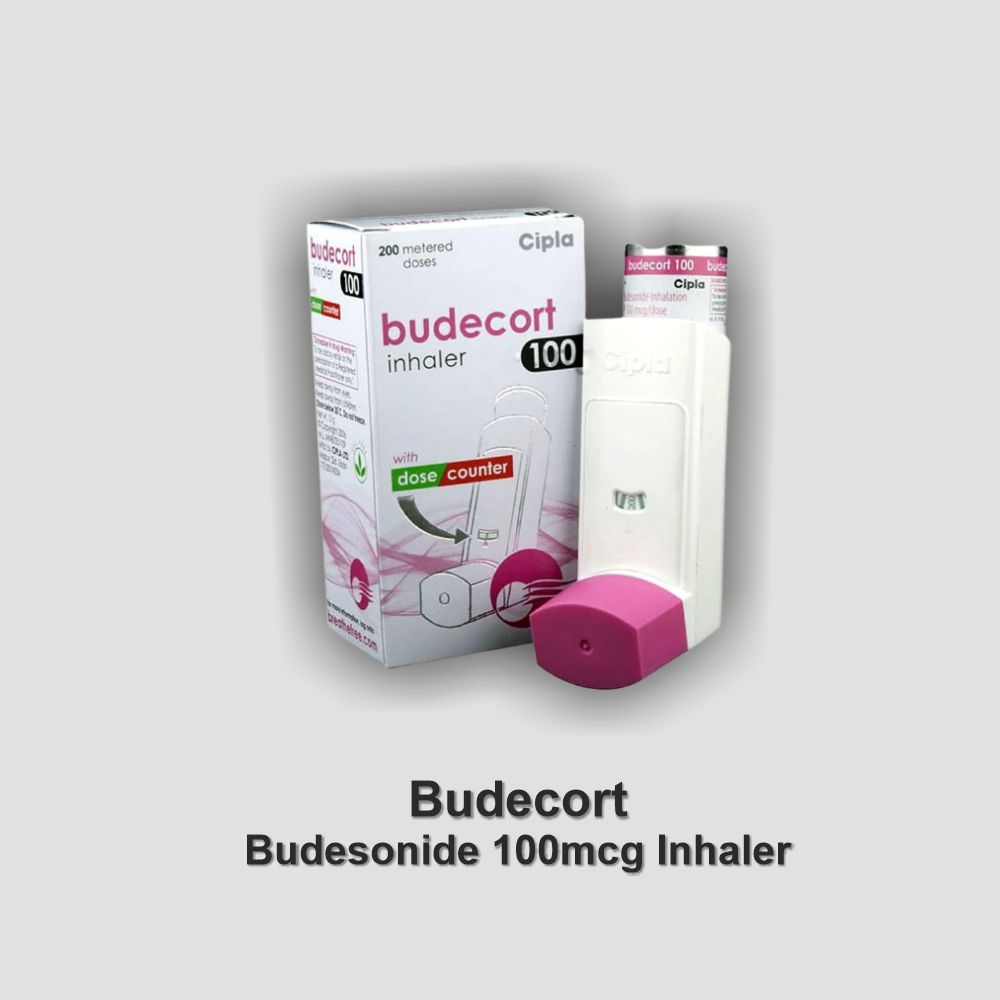
For patients requiring intensive nasal anti-inflammatory treatment, Budecort 0.5mg Respules offers a physician-prescribed option for compounded nasal irrigation.
Leukotriene Receptor Antagonists: Montelukast and Zafirlukast Prescribing
Leukotriene receptor antagonists target inflammatory mediators called cysteinyl leukotrienes, which contribute to bronchoconstriction, mucus production, and airway edema. This mechanism makes them particularly valuable for patients with concomitant asthma and allergic rhinitis, where a single medication can address both conditions simultaneously.
Montelukast, the most commonly prescribed leukotriene modifier, received FDA approval for allergic rhinitis in addition to asthma. Physicians often prescribe it as add-on therapy when antihistamines alone provide insufficient symptom control, or for patients who cannot tolerate intranasal corticosteroids. Zafirlukast, an alternative in this class, requires twice-daily dosing and administration away from food, which affects patient compliance.
Prescribers must address the FDA black box warning regarding neuropsychiatric events associated with montelukast, including agitation, depression, and sleep disturbances. While these reactions remain rare, patients should understand warning signs and report mood changes promptly. Most physicians continue prescribing montelukast when benefits outweigh risks, particularly for patients whose asthma and allergic rhinitis respond poorly to alternative treatments.
Understanding medication naming conventions helps patients track their prescriptions safely. Patients should decode your allergy medication name to recognize active ingredients across different brand formulations.
Prescription Immunotherapy: Sublingual Tablets and Injection Protocols
Immunotherapy differs fundamentally from symptomatic allergy treatments by modifying underlying disease mechanisms rather than blocking symptoms. Traditional subcutaneous immunotherapy (SCIT) involves weekly injections during build-up phase followed by monthly maintenance injections over three to five years. Sublingual immunotherapy (SLIT) tablets offer a needle-free alternative that patients self-administer at home after initial physician supervision.
SLIT tablets work by placing allergen extracts under the tongue daily, allowing immune cells to gradually develop tolerance. This approach proves particularly effective for seasonal allergens where pretreatment before pollen season maximizes benefit. The convenience of home administration makes SLIT attractive for patients unwilling or unable to commit to regular injection schedules.
- Oralair Five-grass pollen extract for grass-induced allergic rhinitis
- Grastek Timothy grass extract for grass pollen allergy
- Ragwitek Short ragweed extract for ragweed pollen allergy
- Odactra House dust mite extract for perennial allergic rhinitis
- Palforzia Peanut allergen powder for peanut allergy mitigation
Long-term studies demonstrate that both SCIT and SLIT can provide symptom remission extending years after treatment completion, offering potential disease modification unavailable with pharmacologic alternatives. Patients should review a safety checklist before purchasing medications online when obtaining immunotherapy products through digital pharmacies.
Biologic Injections: Omalizumab and Dupilumab for Severe Allergies
Monoclonal antibody biologics represent the most advanced therapeutic option for severe allergic disease unresponsive to conventional treatments. These engineered antibodies target specific inflammatory pathways with precision impossible with small-molecule drugs, providing dramatic symptom improvement for carefully selected patients.
Omalizumab binds to immunoglobulin E (IgE), preventing it from attaching to mast cells and basophils. This mechanism reduces both early and late-phase allergic responses, making it effective for chronic spontaneous urticaria and moderate-to-severe persistent allergic asthma. Dupilumab takes a different approach by blocking interleukin-4 and interleukin-13 signaling, key drivers of Type 2 inflammation. It treats atopic dermatitis, asthma, and chronic rhinosinusitis with nasal polyposis.
According to Fortunebusinessinsights, the global allergy treatment market valuation reflects increasing demand for advanced therapies like biologics as patient populations grow and diagnostic capabilities improve.
Patient selection for biologic therapy requires documentation of inadequate response to preferred treatments, and cost remains substantial despite insurance coverage. Patients should discuss financial assistance programs with specialists, as manufacturer copay cards and patient assistance programs can significantly reduce out-of-pocket expenses.
How to Access Prescription Allergy Medications Internationally
Accessing prescription allergy medications through international online pharmacies requires understanding regulatory frameworks and selecting legitimate providers. myRxBox facilitates secure ordering of prescription and non-prescription allergy medications through verified pharmaceutical suppliers, offering competitive pricing structures and worldwide delivery logistics.
The platform serves international customers seeking affordable healthcare products, with prescription verification protocols that ensure appropriate medication dispensing. Customers receive medications from trusted suppliers with transparent supply chain documentation, reducing concerns about counterfeit products that plague unregulated online pharmacy markets.
Pricing advantages stem from sourcing strategies and operational efficiencies rather than quality compromises. Patients seeking explore myRxBox prescription services will find both prescription-strength allergy relief options and maintenance medications available through a streamlined ordering process.
Key Takeaways: Choosing the Right Prescription Allergy Medication
Selecting optimal allergy treatment requires matching medication characteristics to individual symptom profiles, comorbidities, and lifestyle factors. Patients whose primary complaint involves nasal congestion typically benefit most from intranasal corticosteroids, while those dominated by ocular and skin symptoms may find antihistamines more appropriate.
According to Mordorintelligence, North America’s substantial share of the allergic rhinitis drugs market reflects regional prescribing patterns and healthcare access that influence which medications patients receive first.
- Symptom profile matters Nasal congestion responds better to intranasal steroids; skin symptoms favor antihistamines
- Comorbid conditions guide selection Patients with asthma may benefit from leukotriene modifiers or biologics
- Side effect tolerance varies Sedation from first-generation antihistamines helps some but impairs others
- Long-term vs. acute use Immunotherapy offers disease modification; antihistamines provide symptomatic relief
- Cost and access considerations Generic alternatives and pharmacy selection significantly impact out-of-pocket costs
- Prescription label literacy prevents errors Understanding dosing instructions protects patient safety
Patients dealing with skin manifestations alongside respiratory allergies should managing allergy-related skin conditions through appropriate treatment protocols.
FAQ: Prescription Allergy Medications
Are prescription allergy medications stronger than over-the-counter options?
Yes, prescription formulations often provide higher doses or different delivery mechanisms. Many prescription antihistamines offer dosing flexibility unavailable in OTC packaging, and intranasal corticosteroids in prescription form may include different vehicle systems. The primary distinction lies in physician oversight and the ability to adjust treatment based on individual response.
Can I switch between prescription allergy medications without consulting a doctor?
No, medication changes require professional guidance. Different drug classes have varying onset times, interaction profiles, and safety considerations. Leukotriene modifiers carry black box warnings, and stopping intranasal corticosteroids abruptly after long-term use may trigger rebound congestion.
Do prescription allergy medications require a prescription from my primary care physician?
Not necessarily in all healthcare systems. Some jurisdictions permit pharmacists to prescribe certain allergy medications, and online platforms like myRxBox facilitate prescription transfers from existing prescribers. Biologics and immunotherapy require specialist oversight due to complexity and monitoring requirements.
How long should I take prescription allergy medications before evaluating effectiveness?
Antihistamines work within hours; intranasal corticosteroids require one to two weeks. Patients starting intranasal corticosteroids should continue daily use for at least fourteen days before assessing whether the medication works. Premature discontinuation remains a common cause of treatment failure.
Are there interactions between prescription allergy medications and other drugs?
Yes, first-generation antihistamines interact significantly with CNS depressants. Patients taking sedatives, anxiolytics, or opioids should avoid sedating antihistamines or use them only under close medical supervision. Second-generation antihistamines have fewer interactions but may still require dose adjustments.
Will insurance cover prescription allergy medications ordered internationally?
Coverage depends on specific insurance plan provisions. Most insurers do not reimburse for medications purchased from international pharmacies. However, competitive international pricing often makes out-of-pocket purchasing cost-competitive with insurance copays for domestic pharmacy purchases.