

Elevated triglyceride levels affect millions globally, increasing cardiovascular disease and pancreatitis risk. Modern pharmacotherapy offers multiple evidence-based solutions, from established fibrates and omega-3 formulations to groundbreaking antisense oligonucleotides that can reduce triglycerides by over 60%. Understanding medication classes, efficacy profiles, and access pathways empowers patients and clinicians to optimize lipid management strategies effectively.
Quick Answer: Which Medications Lower Triglycerides Most Effectively
Selecting the right medication to lower triglycerides depends on baseline levels, cardiovascular risk, and patient tolerance. The treatment landscape in 2026 now includes innovative options that dramatically outperform traditional therapies for severe cases.
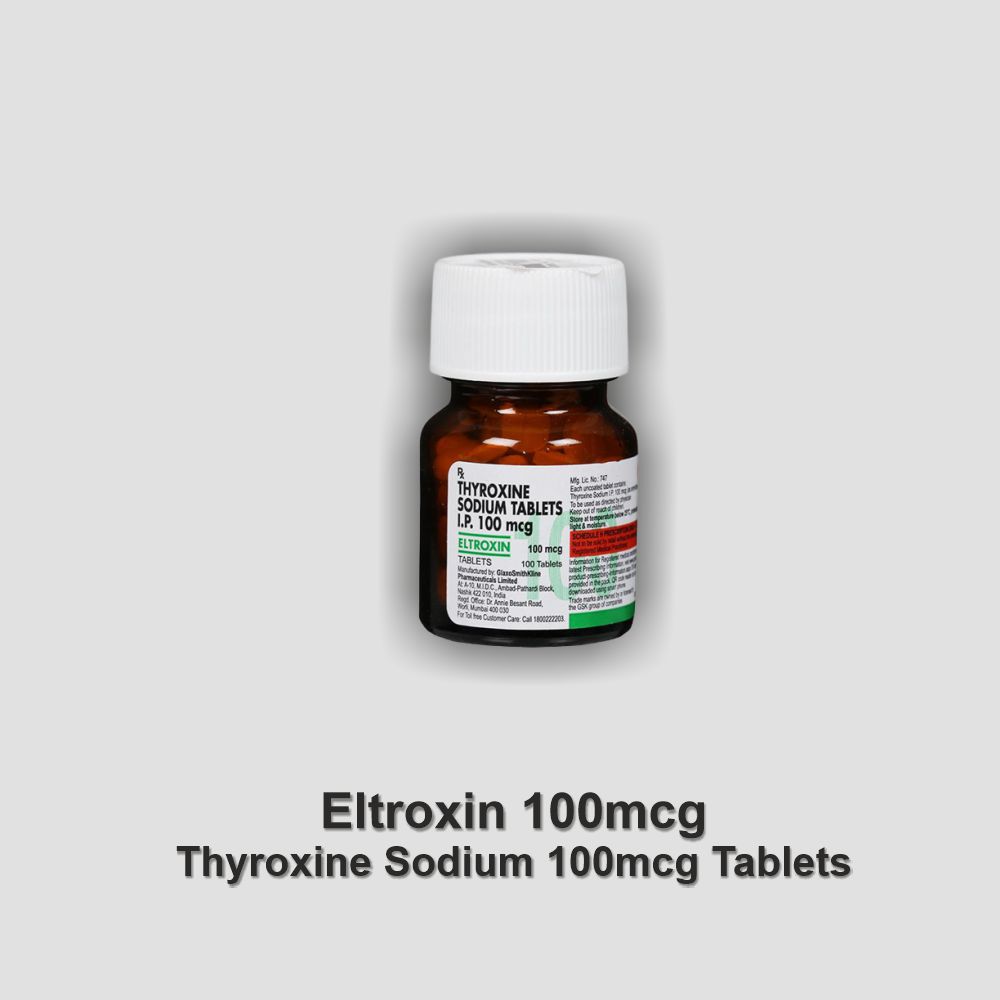
According to Webmd, the FDA approved Tryngolza (olezarsen) for reducing triglycerides and the risk of acute pancreatitis in adults with severe hypertriglyceridemia, showing an 85% reduction in acute pancreatitis risk. This marks a significant advancement in lipid-lowering therapy.
| Medication Class | Typical TG Reduction | Approval Status |
|---|---|---|
| Fibrates (fenofibrate, gemfibrozil) | 30-50% | FDA Approved |
| Prescription Omega-3 (EPA/DHA) | 30-45% | FDA Approved |
| Niacin (extended-release) | 20-35% | FDA Approved |
| Antisense Oligonucleotides (olezarsen) | 57-65% | FDA Approved 2026 |
| Statins (adjunctive effect) | 10-20% | FDA Approved |
For patients exploring affordable medication options, understanding these efficacy ranges helps set realistic expectations. Fibrates remain the workhorse for moderate elevations, while the newer antisense technology addresses severe hypertriglyceridemia that was previously difficult to manage.
Fibrates Remain First-Line Therapy for Severe Hypertriglyceridemia
Fibrate therapy has anchored triglyceride management for decades. These medications activate peroxisome proliferator-activated receptor alpha (PPAR-alpha), which enhances lipoprotein lipase activity and reduces hepatic very-low-density lipoprotein production. The result is significant triglyceride reduction alongside modest HDL cholesterol improvements.
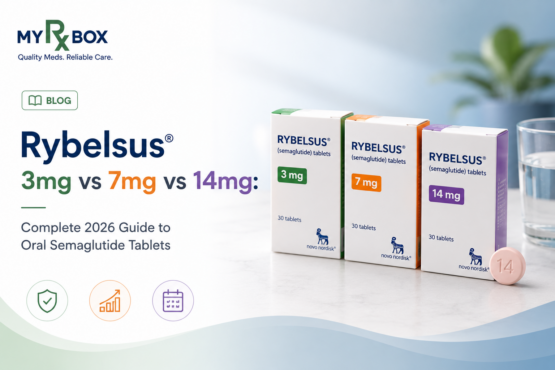
Fenofibrate and gemfibrozil represent the two primary options in this class. Clinical trials consistently demonstrate 30-50% triglyceride reduction in patients with baseline levels above 500 mg/dL. Fenofibrate offers the advantage of once-daily dosing and fewer drug interactions compared to gemfibrozil, which requires twice-daily administration.
- Effective reduction: 30-50% decrease in triglyceride levels within 4-8 weeks
- Additional benefits: Raises HDL cholesterol by 10-15% in most patients
- Key contraindication: Gemfibrozil should never combine with statins due to rhabdomyolysis risk
- Renal considerations: Dose adjustment required for patients with reduced kidney function
- Gallstone risk: Long-term use may increase gallstone formation in susceptible individuals
International availability through verified online pharmacies has improved access to these essential cardiovascular medications. Patients seeking buying medication online safely should verify pharmacy credentials and prescription requirements before ordering.
Prescription Omega-3 Fatty Acids Deliver Consistent Triglyceride Reduction
Prescription omega-3 products differ substantially from over-the-counter fish oil supplements. FDA-approved formulations contain purified eicosapentaenoic acid (EPA) and docosahexaenoic acid (DHA) at therapeutic doses, ensuring consistent absorption without the oxidation concerns plaguing many retail products.
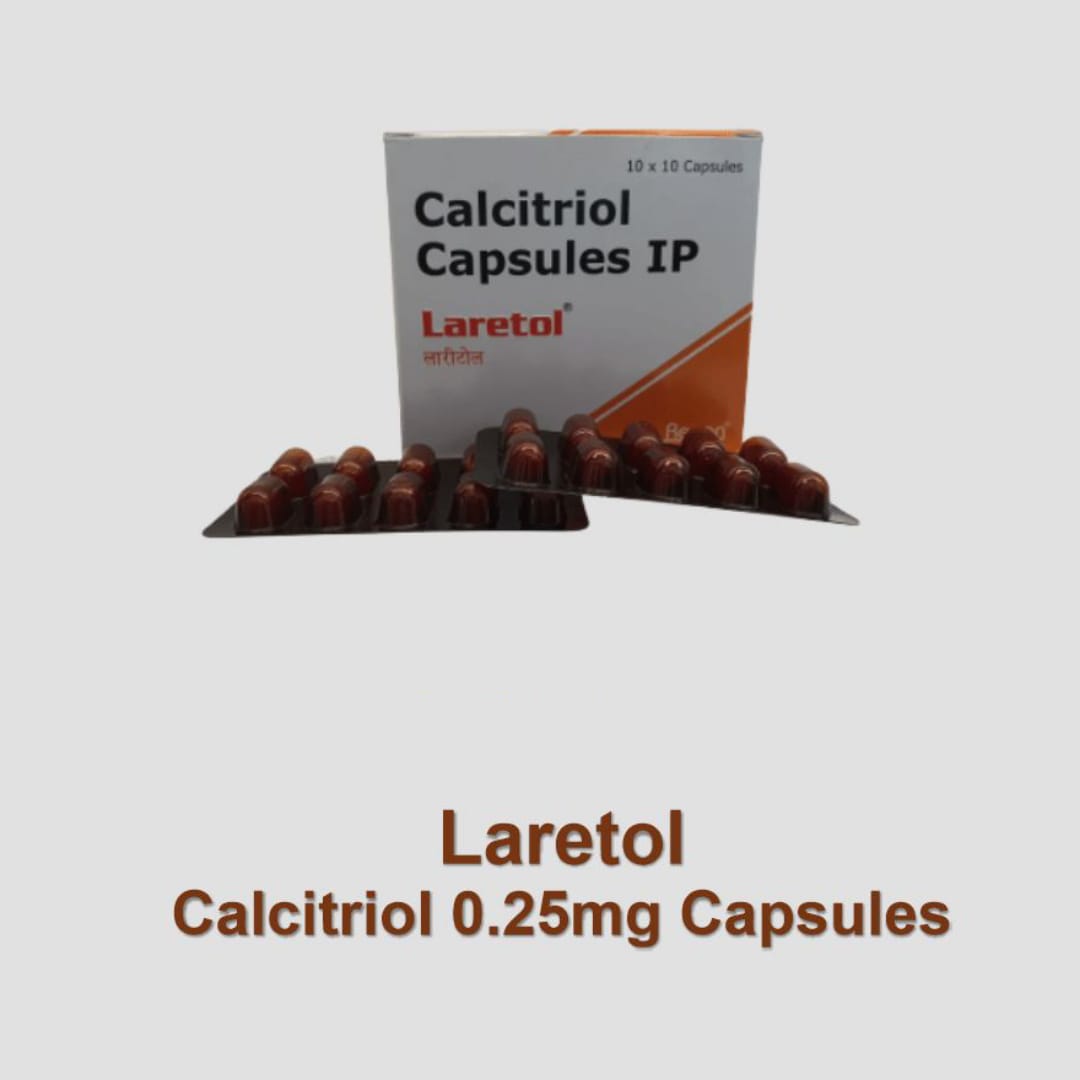
Vascepa (icosapent ethyl) contains pure EPA and has demonstrated significant cardiovascular benefit beyond triglyceride reduction. The REDUCE-IT trial showed 25% relative risk reduction in cardiovascular events among patients with elevated triglycerides despite statin therapy. Lovaza, containing both EPA and DHA, delivers consistent 30-45% triglyceride reduction at the standard 4-gram daily dose.
Dosing protocols matter considerably. Patients should take prescription omega-3 medications with meals to enhance absorption and minimize gastrointestinal side effects. The standard prescription involves two 1-gram capsules twice daily, totaling 4 grams of EPA and DHA combined.
For those tracking latest medication insights, research continues to explore whether pure EPA formulations offer superior cardiovascular protection compared to EPA/DHA combinations. Current evidence suggests both formulations effectively lower triglycerides, though cardiovascular outcomes may differ.
Antisense Oligonucleotide Technology Transforms Treatment Outcomes
The 2026 approval of olezarsen represents the most significant advancement in triglyceride-lowering therapy in decades. This antisense oligonucleotide targets apolipoprotein C-III messenger RNA, reducing production of a protein that inhibits triglyceride clearance. The mechanism achieves what traditional medications could not.
According to Diabetes, olezarsen demonstrated significant triglyceride reduction in patients with severe hypertriglyceridemia, decreasing triglyceride levels by 57.4% and 64.8% at tested doses. These results represent near-complete normalization for patients who previously struggled with refractory hypertriglyceridemia.
Patient eligibility for antisense oligonucleotide therapy focuses on those with severe hypertriglyceridemia (fasting triglycerides above 500 mg/dL) who have inadequate response to fibrates or omega-3 medications. The subcutaneous injection is administered monthly after initial loading doses, offering convenient administration for long-term management.
How to Choose the Right Triglyceride-Lowering Medication for Your Profile
Treatment selection requires matching medication class to baseline triglyceride levels, comorbid conditions, and patient preferences. The decision becomes more straightforward when categorized by severity thresholds.
| Triglyceride Range | Recommended Approach | Target Reduction |
|---|---|---|
| 200-499 mg/dL | Lifestyle + Statin optimization, consider omega-3 | Below 150 mg/dL |
| 500-999 mg/dL | Add fibrate or prescription omega-3 | Below 500 mg/dL |
| >1000 mg/dL | Fibrate + omega-3 combination; consider olezarsen | Below 500 mg/dL urgently |
Cost considerations vary significantly across medication classes. Generic fibrates offer the most economical approach, while antisense oligonucleotides carry premium pricing reflecting their novel mechanism and manufacturing complexity. Patients requiring cardiovascular support medications should discuss cost-effectiveness with their prescribing physician.
Combination therapy has become increasingly common for severe cases. A fibrate plus prescription omega-3 can achieve additive triglyceride reduction when single-agent therapy proves insufficient. However, gemfibrozil should never combine with statins, limiting combination options for patients already on cholesterol-lowering therapy.
How to Access Prescription Triglyceride Medications Internationally
International access to triglyceride-lowering drugs has improved through verified online pharmacy channels. Patients benefit from competitive pricing, worldwide delivery options, and authentic medications sourced from licensed suppliers. Understanding the ordering process ensures safe medication acquisition.
- Verify pharmacy credentials: Confirm licensing through regulatory bodies and check for verification seals
- Submit valid prescription: Upload physician prescription with patient name, medication, and dosage clearly stated
- Compare pricing options: Review generic and brand alternatives to optimize cost-effectiveness
- Track delivery progress: Use order tracking to monitor international shipping status
- Inspect upon arrival: Verify medication packaging, expiration dates, and appearance before use
Online pharmacies offering UK medication delivery services provide reliable access for international customers seeking quality assurance standards. These platforms typically source from the same manufacturers supplying domestic pharmacies, ensuring product authenticity.
Prescription validation remains essential regardless of ordering channel. Legitimate online pharmacies require physician authorization before dispensing prescription triglyceride medications. This protects patient safety and ensures appropriate medication selection based on individual health profiles.
Key Takeaways: Optimizing Triglyceride Management Through Medication
Effective triglyceride management in 2026 combines traditional therapies with breakthrough technologies. The treatment hierarchy prioritizes safety while maximizing lipid reduction based on individual risk profiles.
- Treatment hierarchy: Begin with lifestyle modification, add statins for cardiovascular risk, then fibrates or omega-3 for persistent elevation
- Severe cases: Antisense oligonucleotides offer 60%+ reduction for refractory hypertriglyceridemia
- Monitoring essential: Check triglycerides 4-6 weeks after initiating therapy, then quarterly during maintenance
- Combination potential: Fibrates plus omega-3 provide additive effects for difficult-to-manage cases
- Lifestyle integration: Medications work best alongside reduced carbohydrate intake and regular physical activity
- Access matters: International pharmacies expand options for patients facing availability barriers
Patients looking to compare medication prices should consider both acquisition cost and long-term value. Generic fibrates remain most economical, while novel therapies justify premium pricing through superior efficacy for severe cases.
FAQ: Medication to Lower Triglycerides
Can I take fibrates and statins together?
No, not universally. Gemfibrozil significantly increases statin blood levels and rhabdomyolysis risk, making this combination dangerous. Fenofibrate carries lower interaction risk, allowing careful combination therapy under physician supervision. Many clinicians now prefer fenofibrate specifically for patients requiring both medications.
How quickly do triglyceride medications work?
Results appear within 4-8 weeks. Fibrates and omega-3 medications typically show meaningful reduction by the first follow-up blood test. Antisense oligonucleotides like olezarsen demonstrate significant effects within weeks due to their novel mechanism. Consistent medication adherence and lifestyle modification accelerate therapeutic response.
Do prescription omega-3 supplements differ from fish oil?
Yes, substantially. Prescription formulations like Vascepa and Lovaza contain purified, pharmaceutical-grade ingredients at therapeutic doses verified through clinical trials. Over-the-counter fish oil supplements often contain lower EPA/DHA concentrations, variable quality, and potential oxidation from improper storage. Prescription products ensure consistent dosing and absorption.
What is the most effective medication for triglycerides over 1000 mg/dL?
Combination therapy targets severe elevation. According to Thecardiologyadvisor, the FDA approved Tryngolza (olezarsen) for reducing triglycerides and the risk of acute pancreatitis in adults with severe hypertriglyceridemia. For levels exceeding 1000 mg/dL, combining fibrates, prescription omega-3, and potentially antisense oligonucleotides provides the most aggressive intervention against pancreatitis risk.
Are triglyceride medications expensive?
Costs vary significantly by class. Generic fibrates remain affordable for most patients, while prescription omega-3 medications carry moderate pricing. Novel antisense oligonucleotides command premium costs reflecting advanced biotechnology manufacturing. Insurance coverage and international pharmacy options help manage expenses for patients requiring long-term therapy.
Can triglyceride medications cause side effects?
Most side effects are manageable. Fibrates may cause gastrointestinal upset, muscle discomfort, and elevated liver enzymes. Prescription omega-3 medications carry bleeding risk at high doses and may cause burping or digestive symptoms. Antisense oligonucleotides require injection-site monitoring. Physicians typically order baseline labs before initiating therapy and monitor for adverse effects during treatment.
Will I need triglyceride medication forever?
Duration depends on underlying causes. Genetic forms of hypertriglyceridemia typically require lifelong medication. Secondary causes related to diet, alcohol, or metabolic conditions may allow medication discontinuation if lifestyle modifications succeed. Regular monitoring helps determine whether dose reduction or medication cessation becomes appropriate over time.