Prescription menstrual cramp medication offers targeted relief for moderate-to-severe dysmenorrhea when over-the-counter options fall short. Clinical evidence from 2026 confirms that NSAIDs like naproxen, combined with hormonal contraceptives, deliver superior pain management for 70-90% of patients. This comprehensive guide examines proven prescription treatments, their mechanisms, comparative efficacy, and how to access them affordably through verified online pharmacies with international delivery options.
Quick Answer: Which Prescription Medications Work Best for Severe Menstrual Cramps
When over-the-counter remedies stop working, knowing your prescription options becomes essential. Three primary classes of prescription medication dominate clinical practice for dysmenorrhea treatment, each targeting pain through different mechanisms.
According to Nih, anti-inflammatory painkillers like diclofenac, ibuprofen, and naproxen are effective for managing menstrual pain, with prescription-strength formulations offering higher potency and longer duration than their OTC counterparts.
- Prescription NSAIDs – Naproxen and diclofenac inhibit prostaglandin production, addressing cramping at its source with 70-90% efficacy rates.
- Combined Hormonal Contraceptives – Birth control pills reduce menstrual flow and cramping intensity by suppressing ovulation, benefiting 60-80% of users.
- Progestin-Only Therapies – IUDs and mini-pills thin the uterine lining, decreasing pain for patients who cannot take estrogen.
- GnRH Agonists – Reserved for severe cases, these induce temporary menopause to provide relief when other treatments fail.
For patients seeking reliable pain control, naproxen prescription options remain the clinical gold standard for first-line therapy.
Why NSAIDs Like Naproxen Outperform Standard Painkillers for Period Pain
Understanding why certain medications work better requires looking at what causes menstrual cramps. The pain stems from prostaglandins, hormone-like substances that trigger uterine contractions. Higher prostaglandin levels correlate with more severe cramping.
NSAIDs block cyclooxygenase enzymes responsible for prostaglandin synthesis. By reducing prostaglandin production, these medications address the root cause rather than simply masking discomfort. This mechanism makes them far more effective than acetaminophen, which lacks anti-inflammatory properties.
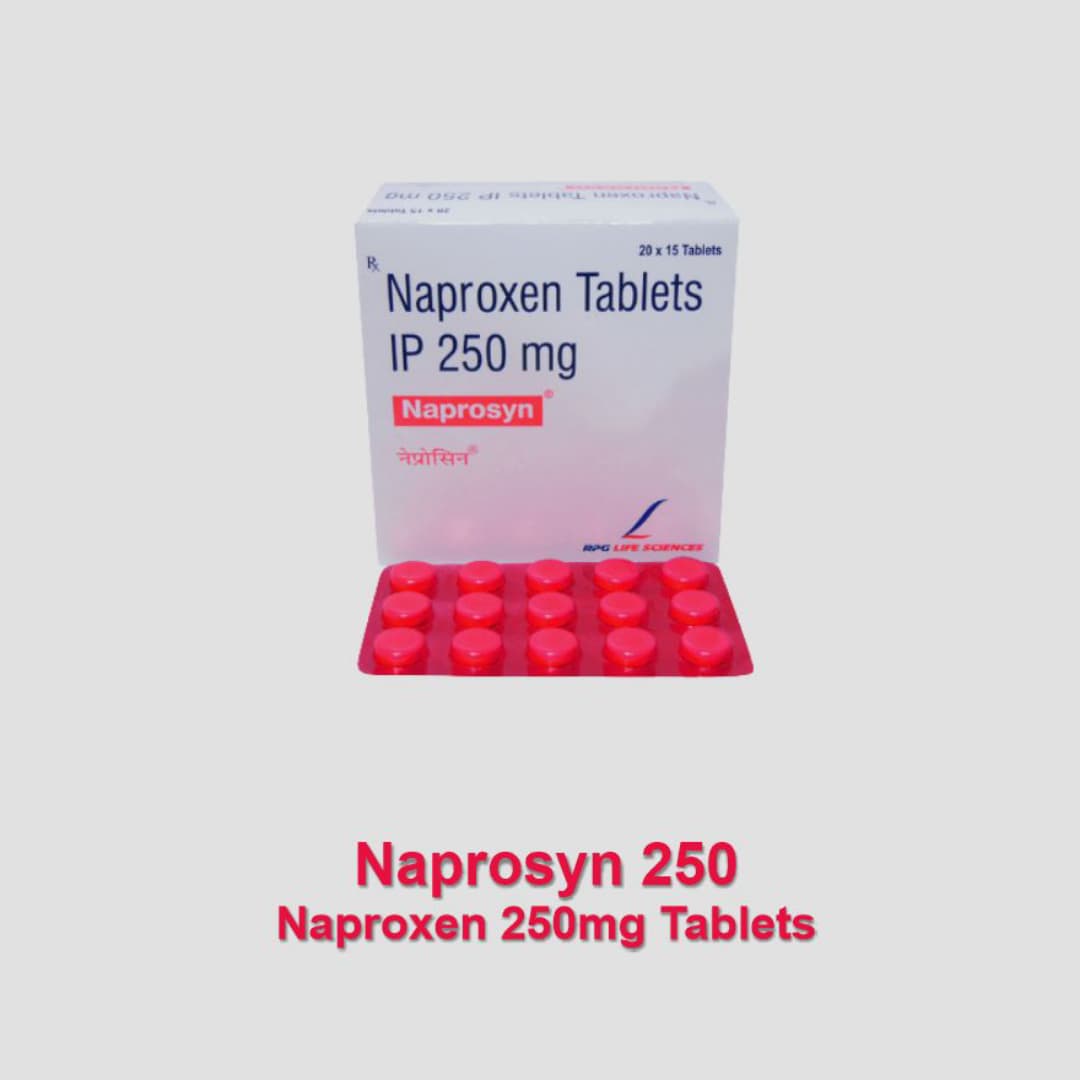
Naproxen stands out among prescription NSAIDs for period pain. Its longer half-life means doses last 8-12 hours, compared to 4-6 hours for ibuprofen. Patients need fewer doses throughout the day, improving compliance and maintaining steady pain relief through the night.
| Medication | Prescription Dosage | Duration of Action | Efficacy Rating |
|---|---|---|---|
| Naproxen | 250-500mg every 8-12 hours | 8-12 hours | High (85-90%) |
| Ibuprofen | 400-800mg every 6 hours | 4-6 hours | Moderate (70-75%) |
| Diclofenac | 50mg every 8 hours | 6-8 hours | High (80-85%) |
Prescription-strength formulations deliver higher concentrations than OTC versions. While drugstore ibuprofen maxes at 200mg per tablet, prescription versions reach 800mg, providing therapeutic levels that OTC products simply cannot match.
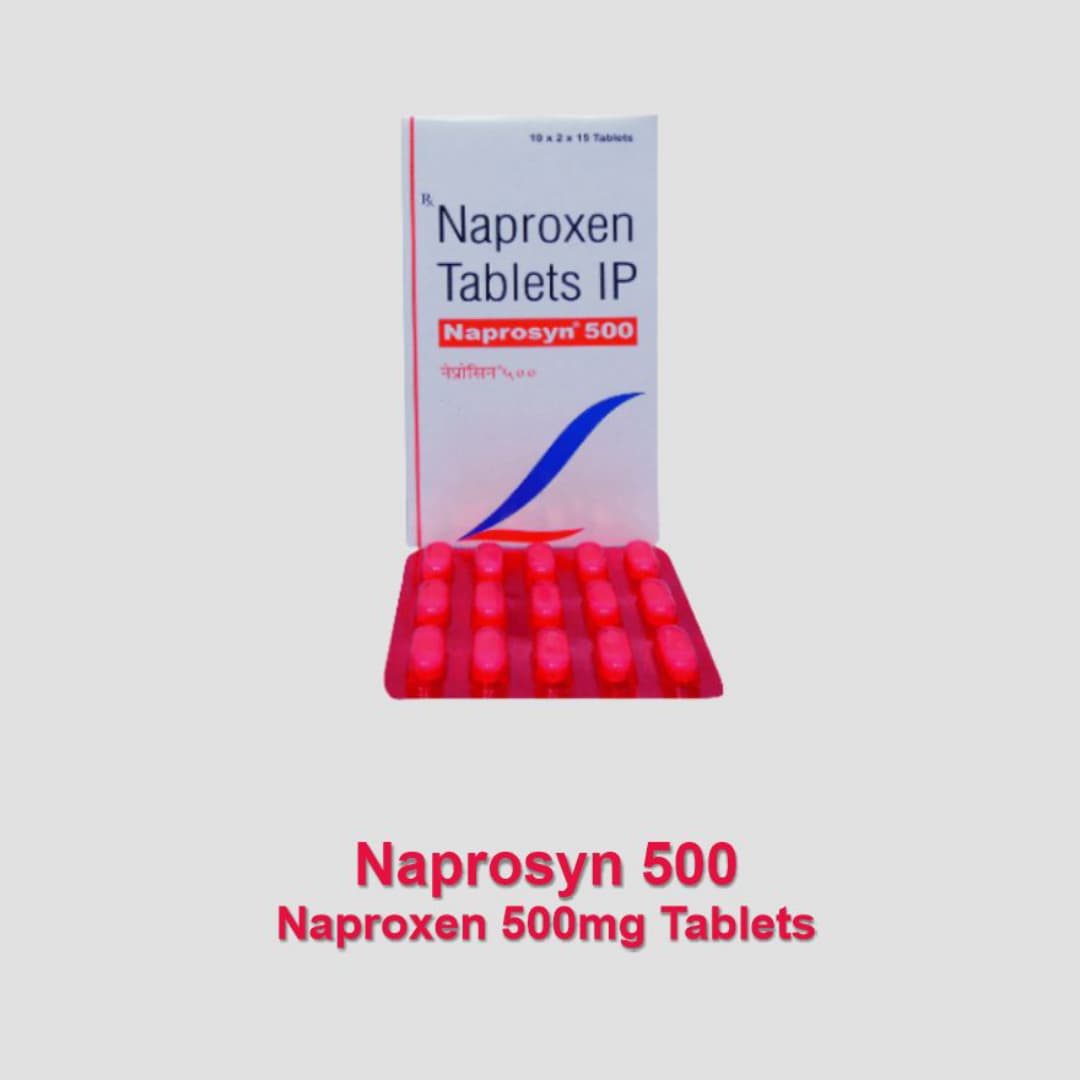
Clinicians frequently recommend Naproxen 250mg tablets as a starting point for patients transitioning from over-the-counter remedies to prescription care.
Hormonal Contraceptives: The Dual-Action Prescription Solution
Beyond pain relief, hormonal contraceptives offer a preventive approach to dysmenorrhea treatment. Rather than treating pain after it starts, these medications reduce the physical processes that create cramping in the first place.
Combined oral contraceptives work through two mechanisms. First, they suppress ovulation, eliminating the hormonal fluctuations that trigger prostaglandin release. Second, they reduce menstrual flow by thinning the uterine lining. Less tissue means less prostaglandin production and fewer contractions.
According to Wjpmr, menstrual cramps are extremely common, with some studies reporting rates as high as 90% among adolescent girls and young women, making effective treatment options critical for this demographic.
- Combined Oral Contraceptives – Traditional birth control pills contain estrogen and progestin, regulating cycles and reducing flow by up to 50%.
- Extended-Cycle Pills – Formulations like Seasonale reduce periods to four times yearly, minimizing cramping episodes.
- Hormonal IUDs – Devices like Mirena release progestin locally, reducing menstrual pain for 70-80% of users over five years.
- Contraceptive Patch – Weekly application delivers hormones transdermally, offering convenience with similar efficacy to pills.
- Vaginal Ring – Monthly insertion provides steady hormone levels, reducing cramping for estrogen-tolerant patients.
Progestin-only options suit patients with contraindications to estrogen. The hormonal IUD placed in the uterus delivers progestin directly to the source, minimizing systemic side effects while providing robust cramp relief.
How to Determine If You Need Prescription-Strength Treatment
Not every period requires medical intervention. However, certain indicators signal when self-care falls short and professional evaluation becomes necessary. Distinguishing between primary and secondary dysmenorrhea helps guide treatment decisions.
Primary dysmenorrhea occurs without underlying pathology, caused solely by prostaglandin-driven contractions. Secondary dysmenorrhea results from conditions like endometriosis, fibroids, or adenomyosis. Prescription menstrual cramp medication addresses both types, but secondary causes may require additional interventions.
- Pain exceeding 3 days per menstrual cycle unresponsive to OTC medication.
- Missing work, school, or activities due to cramping severity.
- Pain beginning before bleeding starts or continuing after flow stops.
- Nausea, vomiting, or diarrhea accompanying cramps suggests prostaglandin excess.
- Pain during intercourse or bowel movements indicates potential endometriosis.
- Irregular periods with heavy clotting may signal fibroids or hormonal imbalance.
- Progressive worsening of symptoms over multiple cycles warrants investigation.

Patients exploring buying medication online safely should first confirm their diagnosis through proper medical channels before pursuing prescription treatments.
Prescription Medication Costs: Generic vs Brand-Name Economics
Financial considerations play a significant role in treatment adherence. Prescription pain relief for periods varies dramatically in price depending on brand selection, pharmacy choice, and geographic location. Understanding this landscape helps patients make informed decisions.
Generic medications contain identical active ingredients to their brand-name counterparts but cost substantially less. A month’s supply of generic naproxen might cost $15-30 at retail pharmacies, while brand-name Naprosyn could run $100 or more without insurance.
| Medication | US Retail Price | myRxBox Price | Savings |
|---|---|---|---|
| Naproxen 250mg (30 tablets) | $45-75 | $48-65 | Up to 35% |
| Diclofenac 50mg (30 tablets) | $60-95 | $35-55 | Up to 40% |
| Mefenamic Acid 250mg | $55-85 | $30-48 | Up to 45% |
International pharmacies access global supply chains, securing medications from manufacturers at substantially lower prices. myRxBox sources prescription-strength menstrual relief medications from trusted pharmaceutical suppliers, passing savings directly to customers. Using the medicine price comparison tool reveals cost differences across providers.
Patients worldwide benefit from competitive pricing structures. International delivery options make prescription menstrual cramp medication accessible regardless of local pharmacy pricing.
Step-by-Step: Ordering Prescription Menstrual Cramp Medication Online
Accessing prescription medications through verified online platforms requires understanding the verification process. Reputable pharmacies maintain strict protocols ensuring patient safety while providing convenience.
Modern telehealth integration allows patients to consult healthcare providers remotely, obtaining valid prescriptions without in-person visits. This accessibility benefits those with mobility limitations, rural locations, or scheduling constraints.
- Consult a licensed healthcare provider – Complete an online questionnaire or video consultation describing your symptoms and medical history.
- Receive your prescription – If appropriate, the provider issues a prescription for NSAID menstrual pain treatment or hormonal therapy.
- Select your medication – Browse available options on the trusted online pharmacy platform, comparing dosages and pricing.
- Submit prescription verification – Upload your prescription or authorize pharmacy-to-pharmacy transfer.
- Complete secure checkout – Enter shipping information and payment details through encrypted systems.
- Receive worldwide delivery – Track your package from dispatch to doorstep, with delivery typically within 6-15 days.
Prescription verification protects patients by ensuring appropriate medication selection. Licensing requirements vary by jurisdiction, but legitimate online pharmacies always require valid prescriptions for controlled medications.
Advanced Options When Standard Prescriptions Fail
Some patients experience dysmenorrhea so severe that standard treatments provide inadequate relief. For these individuals, specialists may recommend GnRH agonists, medications that induce temporary menopause by suppressing ovarian hormone production.
Gonadotropin-releasing hormone agonists work by initially stimulating then profoundly suppressing estrogen production. This creates a hypoestrogenic state that eliminates menstrual cycles entirely during treatment. While effective for severe menstrual cramp treatment, side effects include hot flashes, bone density loss, and mood changes.
Surgical interventions represent the final tier for treatment-resistant cases. Laparoscopy can diagnose and treat endometriosis lesions. Uterine nerve ablation interrupts pain pathways. In extreme cases, hysterectomy provides definitive resolution for patients no longer desiring fertility.
Most patients never require such aggressive approaches. First-line therapies succeed for the vast majority when properly dosed and timed. Understanding terms and conditions regarding medication returns and exchanges provides peace of mind when exploring treatment options.
Key Takeaways: Optimizing Your Prescription Menstrual Pain Management
Effective management of dysmenorrhea requires a strategic approach combining appropriate medication selection, timing optimization, and cost-conscious sourcing. Patients who understand their options achieve better outcomes with less financial burden.
- Start with prescription NSAIDs – Naproxen remains the gold standard first-line treatment for moderate-to-severe cramping.
- Time medication correctly – Begin taking NSAIDs 1-2 days before expected menstruation for optimal prophylactic effect.
- Consider hormonal options – Birth control pills provide dual benefits of contraception and cramp reduction for suitable candidates.
- Compare pharmacy prices – International online pharmacies offer substantial savings over domestic retail pricing.
- Persist through initial trials – Finding the right medication may require trying different options over 2-3 cycles.
- Investigate persistent pain – Symptoms unresponsive to treatment warrant evaluation for secondary causes.
Reviewing the refund policy before purchasing ensures understanding of protections available when trying new medications.
FAQ: Prescription Menstrual Cramp Medication Questions Answered
Is prescription medication necessary for menstrual cramps?
No, not always. Approximately 70% of women find relief with over-the-counter NSAIDs and self-care measures. However, the remaining 30% require prescription-strength medications for adequate pain control. If OTC options fail after proper dosing, prescription evaluation becomes appropriate.
How quickly does naproxen work for period pain?
Within 30-60 minutes. Peak plasma concentrations occur approximately 2-4 hours after ingestion. Taking naproxen with food slows absorption slightly but reduces stomach irritation. For best results, begin dosing 24-48 hours before expected menstruation onset.
Can I take naproxen and ibuprofen together?
No, never combine them. Both medications belong to the NSAID class and work through identical mechanisms. Taking them together increases bleeding risk and stomach damage without improving pain relief. Choose one and take it at appropriate intervals.
Are hormonal contraceptives safe for teenagers with cramps?
Yes, generally safe. The American College of Obstetricians and Gynecologists supports hormonal contraceptive use in adolescents for both contraception and medical indications like dysmenorrhea. Age alone rarely contraindicates use when otherwise appropriate.
Will prescription NSAIDs affect my fertility?
No, not long-term. Prescription NSAIDs do not impact fertility after discontinuation. Some evidence suggests temporary reduced ovulation during active use, but this reverses upon stopping. Long-term fertility remains unaffected for most users.
How do I know if my cramps indicate endometriosis?
Pain pattern matters. Endometriosis often causes pain beginning days before menstruation, worsening during flow, and potentially persisting afterward. Deep pain during intercourse, bowel movements, or urination suggests possible endometriosis. Progressive worsening over years also signals this condition.
Further questions about privacy and data handling when ordering medications can be found in the privacy policy section.