
Blood thinners encompass anticoagulants, antiplatelets, and factor Xa inhibitors prescribed to prevent clot formation in cardiovascular, stroke, and venous thromboembolism cases. Understanding the complete medication roster from warfarin and heparin to apixaban and rivaroxaban enables clinicians and patients to navigate dosing protocols, contraindications, and monitoring requirements. This guide categorizes blood thinners by pharmacological class, mechanism of action, and 2026 prescription trends to support evidence-based medication selection and global pharmacy access.
Quick Answer: Blood Thinners by Pharmacological Class
Anticoagulant medications form the backbone of modern thrombosis prevention, working through distinct pathways to reduce clot formation. These drugs fall into three primary categories based on their mechanism of action and clinical application.
- Anticoagulants: Vitamin K antagonists (warfarin), direct thrombin inhibitors (dabigatran), and heparin derivatives
- Antiplatelet drugs: Aspirin, P2Y12 inhibitors (clopidogrel, prasugrel, ticagrelor), and glycoprotein IIb/IIIa inhibitors
- Factor Xa inhibitors: Direct oral anticoagulants including apixaban, rivaroxaban, edoxaban, and betrixaban
- Heparin products: Unfractionated heparin, low molecular weight heparins (enoxaparin), and synthetic options (fondaparinux)
| Class | Mechanism | Example Drugs | Typical Indication |
|---|---|---|---|
| Vitamin K Antagonists | Inhibits vitamin K-dependent clotting factors II, VII, IX, X | Warfarin (Coumadin), Acenocoumarol | Atrial fibrillation, mechanical heart valves |
| Factor Xa Inhibitors | Directly blocks Factor Xa in the coagulation cascade | Apixaban, Rivaroxaban, Edoxaban | Stroke prevention, DVT/PE treatment |
| Direct Thrombin Inhibitors | Binds directly to thrombin (Factor IIa) | Dabigatran, Argatroban, Bivalirudin | Anticoagulation in HIT patients |
| Antiplatelet Agents | Inhibits platelet activation and aggregation | Aspirin, Clopidogrel, Ticagrelor | Acute coronary syndrome, post-stent |
| Heparin Products | Potentiates antithrombin III activity | Enoxaparin, Dalteparin, Fondaparinux | Surgical prophylaxis, acute VTE |
The pharmaceutical landscape for thrombosis medications has shifted dramatically over the past decade. According to Fortunebusinessinsights, the global anticoagulants market was valued at USD 41.4 billion, reflecting the critical role these medications play in managing cardiovascular risk across aging populations worldwide.
When evaluating the medicine price index, patients will notice significant cost variations between generic warfarin and newer direct oral anticoagulants. This pricing differential influences treatment decisions, particularly for patients without comprehensive insurance coverage who rely on international pharmacy options.
Factor Xa Inhibitors Dominating 2026 Prescription Landscape
Factor Xa inhibitors have captured the anticoagulant market through superior convenience and predictable pharmacokinetics. These direct oral anticoagulants eliminate the need for routine INR monitoring that burdened warfarin patients for decades.
Prescription data reveals a clear market consolidation around two leading agents. According to Clincalc, among anticoagulant prescriptions in the United States in 2024, Apixaban accounted for 60.3% of prescriptions (21,857,073), while Rivaroxaban captured 20.5% (7,423,624 prescriptions). This dominance reflects both clinical preference and patient adherence patterns.
- Apixaban (Eliquis): Twice-daily dosing, lower bleeding risk, approved for AFib and VTE
- Rivaroxaban (Xarelto): Once-daily dosing convenience, broader FDA approvals including CAD and PAD
- Edoxaban (Savaysa): Once-daily option, requires renal function assessment before initiation
- Betrixaban (Bevyxxa): Hospitalized patient prophylaxis, minimal renal clearance
- Generic Apixaban: Increasing availability in 2026, improving cost accessibility
The shift toward DOACs prescription list dominance stems from practical advantages. No dietary restrictions, no routine blood testing, and predictable dosing make these medications ideal for long-term management. Patients with atrial fibrillation particularly benefit from consistent stroke prevention without the narrow therapeutic window that warfarin demands.
Warfarin and Vitamin K Antagonists: Legacy Anticoagulation
Warfarin remains the gold standard anticoagulant for specific populations despite declining prescription volumes. Its 70-year clinical history provides extensive safety data, and cost advantages make it accessible for patients in resource-limited settings.
Vitamin K antagonists work by inhibiting the enzyme vitamin K epoxide reductase, preventing the activation of clotting factors II, VII, IX, and X. This mechanism requires careful INR monitoring every 2-4 weeks to maintain therapeutic levels between 2.0 and 3.0 for most indications.
Dietary considerations complicate warfarin therapy significantly. Foods high in vitamin K leafy greens, broccoli, Brussels sprouts can reduce anticoagulant effect, while cranberry products and alcohol may potentiate bleeding risk. Patients must maintain consistent dietary patterns and track their INR readings meticulously.
Cost remains warfarin’s primary advantage. Generic warfarin costs pennies per tablet compared to hundreds of dollars monthly for brand-name DOACs. This pricing gap drives continued warfarin prescriptions in Medicare populations and patients without prescription drug coverage.
The Medicare population presents unique considerations. According to Clevelandclinic, more than 5 million Americans on Medicare are currently taking factor Xa inhibitors, a class of direct oral anticoagulants that include drugs like apixaban and rivaroxaban. This transition reflects improved coverage and generic availability making DOACs accessible to older adults.
Patients transitioning between anticoagulants should consult the medicine name decoder to understand brand-generic equivalencies and avoid potentially dangerous duplications.
Antiplatelet Agents: Aspirin to P2Y12 Inhibitors
Antiplatelet drugs serve distinct clinical roles from anticoagulants, targeting platelet aggregation rather than the coagulation cascade. These medications prove essential in arterial clot prevention, particularly for coronary artery disease and post-stent management.
Aspirin remains the foundational antiplatelet agent, irreversibly inhibiting cyclooxygenase-1 in platelets. Low-dose aspirin (81-162mg daily) provides cardioprotection without excessive bleeding risk in appropriate candidates. However, primary prevention aspirin has fallen out of favor due to bleeding concerns.
P2Y12 inhibitors represent the second tier of antiplatelet therapy. These drugs block the ADP receptor on platelet surfaces, preventing activation and aggregation. Cardiovascular interventionists prescribe these agents following stent placement to prevent stent thrombosis.
| Antiplatelet Agent | Onset of Action | Duration of Effect | Reversal Options |
|---|---|---|---|
| Aspirin | 30-60 minutes | 7-10 days (platelet lifespan) | Platelet transfusion |
| Clopidogrel (Plavix) | 2-6 hours (loading dose faster) | 7-10 days | Platelet transfusion |
| Prasugrel (Effient) | 30 minutes (with loading) | 7-10 days | Platelet transfusion |
| Ticagrelor (Brilinta) | 30-60 minutes | 3-5 days (reversible binding) | Platelet transfusion, shorter offset |
Dual antiplatelet therapy combines aspirin with a P2Y12 inhibitor following acute coronary syndrome or stent implantation. Duration varies by stent type and bleeding risk typically 6-12 months for drug-eluting stents, though some protocols extend treatment based on individual risk assessment.
Patients managing multiple cardiovascular medications through an online pharmacy should verify antiplatelet prescriptions carefully, as drug interactions with proton pump inhibitors and other common cardiovascular drugs require careful management.
How to Match Blood Thinner Class to Clinical Indication
Selecting the appropriate anticoagulant requires matching drug properties to patient characteristics and clinical presentation. No single agent suits all situations, and renal function, age, and bleeding history influence optimal selection.
- Atrial Fibrillation: DOACs preferred over warfarin; apixaban for bleeding risk patients, rivaroxaban for adherence convenience
- DVT/PE Treatment: Rivaroxaban or apixaban as single-drug approach; warfarin with heparin bridging still valid
- Mechanical Heart Valves: Warfarin required DOACs contraindicated due to increased thromboembolic risk
- Acute Coronary Syndrome: Dual antiplatelet therapy with P2Y12 inhibitor plus low-dose aspirin for 12 months
- Post-Stent Management: Clopidogrel, prasugrel, or ticagrelor based on bleeding risk and stent type
- Renal Impairment: Apixaban preferred for CrCl 25-30ml/min; warfarin for severe CKD
Renal dosing adjustments require careful attention. Direct oral anticoagulants undergo varying degrees of renal clearance, necessitating dose reductions or alternative agents when creatinine clearance falls below 30ml/min. Apixaban demonstrates the most favorable renal profile among DOACs.
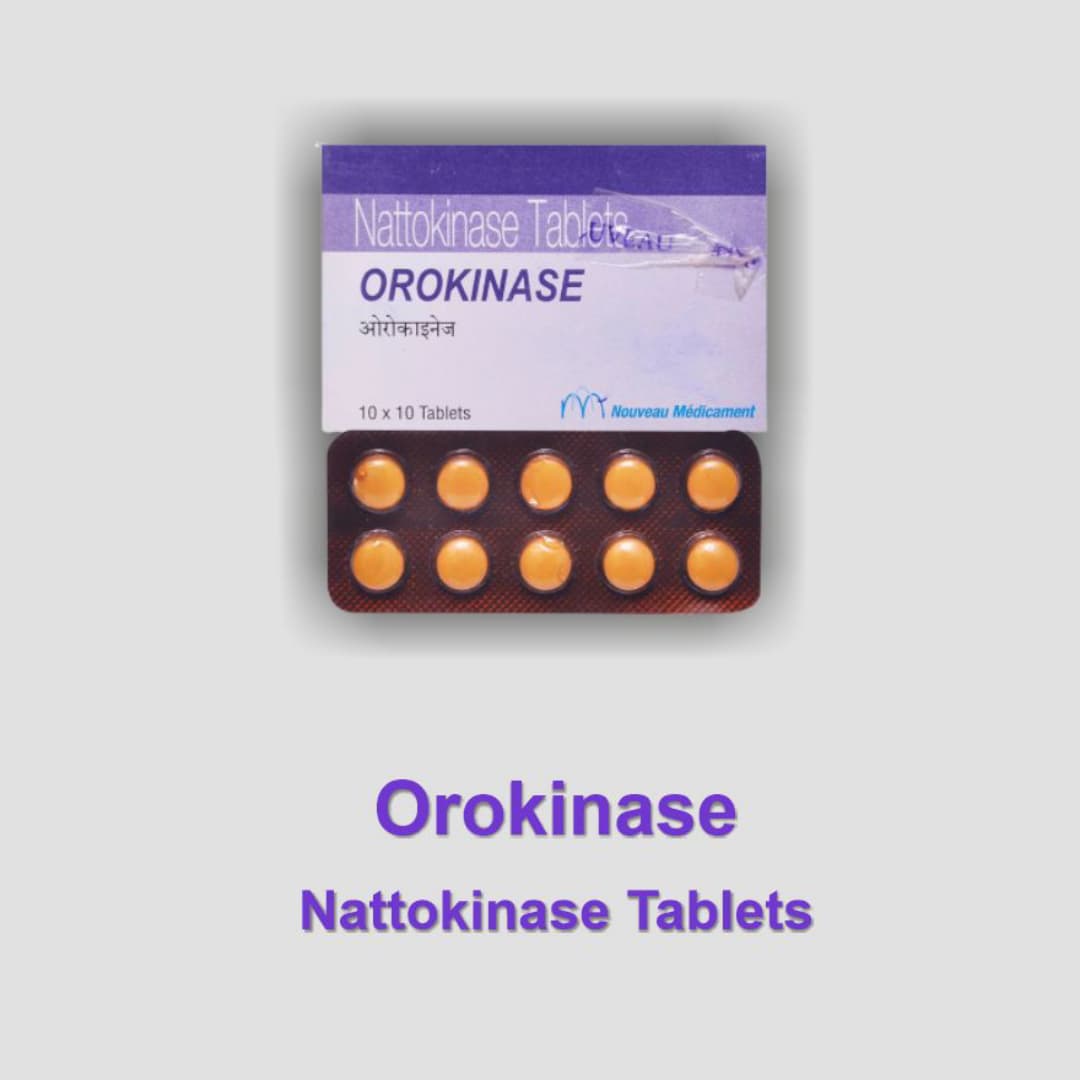
Some patients explore complementary approaches like nattokinase tablets for cardiovascular support, though these supplements cannot replace prescription anticoagulation in high-risk patients.
Injectable Anticoagulants: Heparin and Low Molecular Weight Options
Injectable anticoagulants fill critical niches in acute care and surgical settings. These parenteral agents provide rapid anticoagulation with shorter half-lives than oral alternatives, allowing precise perioperative management.
Unfractionated heparin offers immediate anticoagulation with a short half-life of 60-90 minutes. This pharmacokinetic profile makes it ideal for inpatient procedures where rapid reversal may be required. The aPTT monitoring every 6 hours ensures therapeutic levels without overshooting into dangerous bleeding territory.
Low molecular weight heparins like enoxaparin provide more predictable pharmacokinetics through subcutaneous administration. Once or twice daily dosing eliminates the continuous infusion pumps required for unfractionated heparin, making these agents suitable for outpatient deep vein thrombosis treatment and cancer-associated thrombosis.
Fondaparinux, a synthetic pentasaccharide, offers targeted anti-Xa activity with extended half-life. Its renal clearance mechanism makes dosing predictable, though accumulation in renal impairment requires careful monitoring.
Bridging therapy transitions patients between anticoagulants during surgical procedures or procedures requiring anticoagulation interruption. Typical protocols involve stopping warfarin 5 days before surgery, dosing therapeutic LMWH until 24 hours pre-operatively, then resuming warfarin post-procedure.
For patients requiring ongoing injectable therapy, secure checkout processes ensure safe delivery of prescription medications to international addresses.
Global Access and Pricing Considerations for Blood Thinners
Anticoagulant costs vary dramatically between branded DOACs and generic alternatives. Brand-name Eliquis and Xarelto remain expensive despite market competition, while generic warfarin provides cost-effective anticoagulation at a fraction of the price.
International pharmacy access has transformed medication affordability for patients worldwide. Sourcing from verified pharmaceutical suppliers with proper cold-chain logistics enables patients in countries with limited formularies to access modern anticoagulants prescribed by their physicians.
Chronic therapy patients face cumulative cost burdens across years of treatment. Atrial fibrillation patients typically require lifelong anticoagulation, making monthly medication costs a significant budget consideration. International delivery options with competitive pricing models ease this financial pressure.
Prescription verification and secure ordering protocols protect patients purchasing medications internationally. Reputable pharmacies require valid prescriptions and maintain quality assurance standards matching domestic dispensing requirements.
Patients comparing current medication pricing across international pharmacies should factor in shipping times for chronic medications, ordering refills well before existing supplies exhaust.
Key Takeaways
- Factor Xa inhibitors apixaban and rivaroxaban account for over 80% of anticoagulant prescriptions in 2026, replacing warfarin for most indications
- Warfarin remains essential for mechanical heart valves and resource-limited settings due to proven efficacy and generic affordability
- Antiplatelet drugs serve arterial disease distinct from anticoagulants’ venous thrombosis focus; dual antiplatelet therapy follows coronary interventions
- Injectable heparin products bridge oral therapy gaps and provide surgical prophylaxis where rapid onset and offset are required
- International pharmacy access through myRxBox pharmacy platform enables competitive pricing and worldwide delivery for chronic anticoagulant therapy
FAQ
What is the most prescribed blood thinner in 2026?
Apixaban (Eliquis). Currently commanding 60.3% of all anticoagulant prescriptions, apixaban leads due to its twice-daily dosing and favorable bleeding profile. Rivaroxaban ranks second at 20.5% of prescriptions, leaving traditional warfarin as a minority option for specific indications.
Are DOACs better than warfarin for atrial fibrillation?
Yes for most patients. Direct oral anticoagulants demonstrate comparable stroke prevention with 50% less intracranial bleeding risk. Warfarin remains preferred only for mechanical heart valves where DOACs are contraindicated due to valve thrombosis risk.
What is the difference between antiplatelet and anticoagulant medications?
Mechanism and indication differ. Antiplatelets like aspirin prevent arterial platelet aggregation for coronary disease, while anticoagulants interrupt clotting factor cascade for venous thrombosis and AFib stroke prevention. Some patients require both classes simultaneously.
Do blood thinners require regular blood testing?
Warfarin does; most DOACs do not. Warfarin demands INR monitoring every 2-4 weeks to maintain therapeutic range. Apixaban, rivaroxaban, and other factor Xa inhibitors require only annual kidney function testing for most patients, simplifying chronic management.
Are there reversal agents for blood thinners?
Yes for major anticoagulants. Idarucizumab reverses dabigatran within minutes, and andexanet alfa reverses factor Xa inhibitors. Vitamin K and fresh frozen plasma address warfarin anticoagulation. Antiplatelet reversal requires platelet transfusion given irreversible drug-platelet binding.
Do blood thinners have dietary restrictions?
Warfarin requires dietary caution. Foods high in vitamin K reduce warfarin effectiveness, necessitating consistent intake patterns. Direct oral anticoagulants have no dietary restrictions, representing a major convenience advantage over vitamin K antagonists.
Can I get blood thinners delivered internationally?
Yes with verified prescription. International pharmacies with proper credentials and secure ordering systems provide worldwide delivery for chronic anticoagulant medications. Patients should verify pharmacy credentials and order refills with shipping time margins.