Ankylosing spondylitis (AS) medication has evolved dramatically, with biologics, JAK inhibitors, and targeted IL-17 therapies now supplementing traditional NSAIDs. Treatment selection depends on disease severity, radiographic progression, and patient response to conventional therapy. This guide examines current AS medication classes, efficacy data from 2026 studies, cost considerations, and how patients worldwide access affordable prescription options through verified international pharmacies.
Quick Answer: What Medications Treat Ankylosing Spondylitis in 2026?
Treatment for ankylosing spondylitis follows a structured ladder, beginning with anti-inflammatory therapy and escalating to advanced biologics based on disease progression. The goal is reducing inflammation, preserving mobility, and preventing spinal fusion. Most patients begin with NSAIDs before progressing to biologic or targeted therapies if symptoms persist. For patients comparing options, medication price comparisons help evaluate cost versus efficacy.
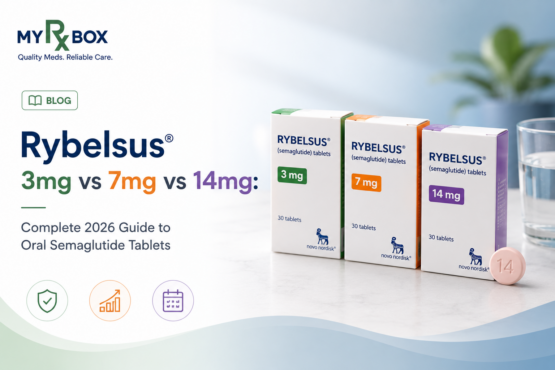
- NSAIDs (First-Line) Non-steroidal anti-inflammatory drugs like naproxen and celecoxib reduce inflammation and pain through cyclooxygenase inhibition.
- Conventional DMARDs Sulfasalazine and methotrexate may help peripheral joint involvement but have limited efficacy for axial disease.
- TNF-Alpha Inhibitors (Second-Line) Biologics targeting tumor necrosis factor, including adalimumab and certolizumab, block inflammatory cytokines for moderate-to-severe AS.
- IL-17 Inhibitors Secukinumab and ixekizumab target interleukin-17 pathways, offering alternatives for patients refractory to TNF blockers.
- JAK Inhibitors Oral targeted therapies like upadacitinib inhibit Janus kinase signaling, providing systemic immune modulation.
TNF-Alpha Inhibitors Remain the Biologic Gold Standard for AS
TNF-alpha inhibitors have transformed ankylosing spondylitis treatment since their introduction, and they continue to anchor therapeutic strategies in 2026. These monoclonal antibodies target tumor necrosis factor-alpha, a pro-inflammatory cytokine driving the inflammatory cascade in AS. By blocking this signaling pathway, TNF inhibitors reduce spinal inflammation, improve physical function, and may slow radiographic progression in some patients.
According to Medscape, tumor necrosis factor-alpha inhibitors remain a cornerstone of AS treatment, with recent approvals expanding options for non-radiographic axial spondyloarthritis. This expansion means patients with early disease, before visible damage on X-rays, can now access biologic therapy sooner.
Several TNF inhibitors are approved for AS, each with distinct dosing protocols and molecular structures. Adalimumab, a fully human monoclonal antibody, is administered every two weeks via subcutaneous injection. Infliximab requires intravenous infusion every six to eight weeks after loading doses. Certolizumab pegol offers a pegylated formulation with fortnightly subcutaneous dosing, while golimumab provides monthly convenience. Response rates typically range from 60-80% in clinical trials, with improvement measured by BASDAI (Bath Ankylosing Spondylitis Disease Activity Index) scores.
| Drug Name | Dosing Schedule | Approval Status | Typical BASDAI Response |
|---|---|---|---|
| Adalimumab | 40mg SC every 2 weeks | FDA/EMA approved | 60-70% achieve ASAS40 |
| Infliximab | 5mg/kg IV every 6-8 weeks | FDA/EMA approved | 65-75% response rate |
| Certolizumab | 200mg SC every 2 weeks | Approved for nr-axSpA | 55-65% achieve ASAS40 |
| Golimumab | 50mg SC monthly | FDA/EMA approved | 60% achieve ASAS40 |
Selection among TNF inhibitors often depends on patient preference for administration route, dosing frequency, and insurance coverage. Subcutaneous options allow self-administration at home, while infliximab requires infusion center visits. Biosimilar versions of adalimumab and infliximab have improved affordability, though access varies by region.
IL-17 and JAK Inhibitors Offer Alternative Pathways for Refractory Cases
Not all patients respond adequately to TNF inhibitors. Some experience primary non-response, while others lose efficacy over time a phenomenon called secondary failure. For these individuals, IL-17 inhibitors and JAK inhibitors provide crucial alternative mechanisms targeting different inflammatory pathways.
Secukinumab and ixekizumab are monoclonal antibodies targeting interleukin-17A, a cytokine implicated in spinal inflammation and new bone formation in AS. These IL-17 inhibitors demonstrate efficacy in patients naive to biologic therapy and those with prior TNF inhibitor exposure. Clinical trials show ASAS40 response rates of 40-50% even in TNF-experienced populations.
According to Frontiersin, there is growing interest in interleukin-17 inhibitors and Janus kinase inhibitors as alternative or adjunctive treatments, particularly for patients who do not respond to TNF blockade. This research momentum has expanded therapeutic algorithms significantly.
JAK inhibitors represent an oral alternative to biologic infusions and injections. Upadacitinib, a selective JAK1 inhibitor, received approval for AS based on trials demonstrating significant improvement in disease activity and physical function. The convenience of oral administration appeals to patients preferring to avoid needles. Treatment research updates continue to explore comparative effectiveness between JAK inhibitors and traditional biologics.
- Secukinumab 150mg monthly injection after loading doses; targets IL-17A specifically.
- Ixekizumab 80mg every 4 weeks after loading; faster onset observed in some patients.
- Upadacitinib 15mg oral tablet daily; selective JAK1 inhibition for systemic effect.
- Tofacitinib 5mg twice daily oral; broader JAK inhibition with established safety data.
Choice between IL-17 and JAK inhibitors depends on prior treatment history, comorbidities, and patient preferences. IL-17 inhibitors may be favored for patients with concomitant psoriasis or inflammatory bowel disease, while JAK inhibitors suit those preferring oral therapy. Candida infection risk and lipid monitoring require consideration with IL-17 blockade, while JAK inhibitors require venous thromboembolism and herpes zoster screening.
NSAIDs and Pain Management: First-Line Therapy for Early AS
Most ankylosing spondylitis treatment algorithms begin with NSAIDs, which remain foundational for mild-to-moderate disease. These anti-inflammatory medications reduce prostaglandin synthesis through cyclooxygenase inhibition, decreasing inflammatory back pain and morning stiffness. Continuous NSAID use may even slow radiographic progression, though evidence remains debated.
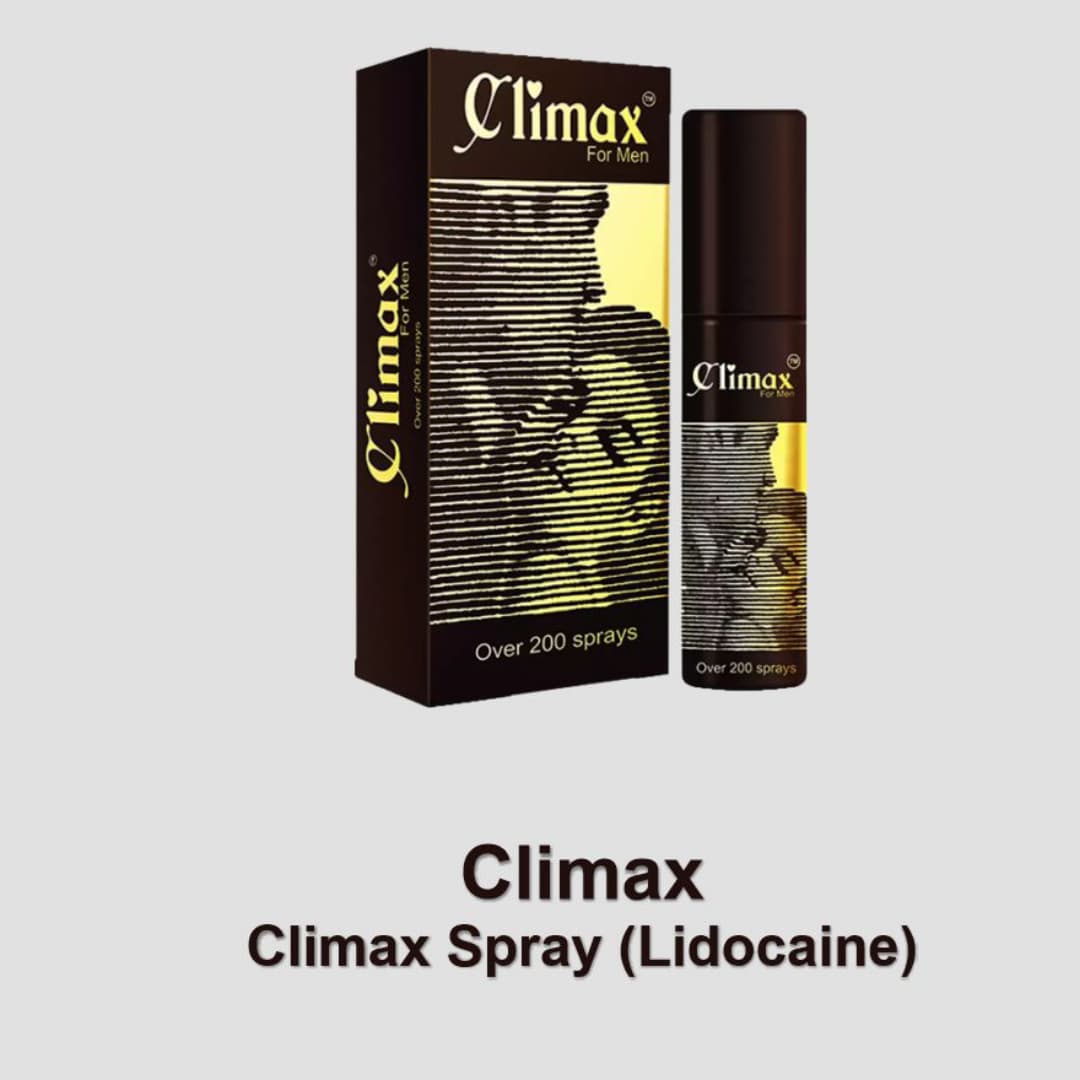
Naproxen and indomethacin have long served as first-line NSAID choices for AS. Naproxen offers twice-daily dosing with a well-established safety profile, while indomethacin provides potent anti-inflammatory effects with particular efficacy for night pain. Celecoxib, a selective COX-2 inhibitor, reduces gastrointestinal risk compared to non-selective NSAIDs while maintaining efficacy. For patients seeking Naproxen 250mg or other doses, verified international pharmacies offer accessible options.
- Naproxen 500mg twice daily; non-selective COX inhibition with established efficacy.
- Indomethacin 25-50mg three times daily; potent anti-inflammatory for night pain.
- Celecoxib 100-200mg twice daily; COX-2 selective with lower GI bleeding risk.
- Etoricoxib 90-120mg daily; available internationally, highly COX-2 selective.
- Diclofenac 75mg twice daily; effective but cardiovascular considerations apply.
Cardiovascular and gastrointestinal risks require careful assessment during NSAID therapy. Long-term use increases myocardial infarction and stroke risk, particularly with certain agents. Gastrointestinal bleeding, ulceration, and renal dysfunction represent additional concerns, especially in older adults. Patients with cardiovascular disease may require COX-2 selective agents or alternative therapy, while those with GI risk factors benefit from proton pump inhibitor co-prescription or COX-2 selective NSAIDs.
How Prevalence Data Shapes AS Medication Access in 2026
Global epidemiological trends directly influence medication availability, pricing, and healthcare policy. As diagnostic awareness improves and populations age, ankylosing spondylitis prevalence data informs pharmaceutical development priorities and access programs worldwide.
According to Nature, the prevalence of ankylosing spondylitis in Korea increased from 26.76 per 100,000 individuals in 2010 to 81.87 per 100,000 in 2023, with a notable rise in patients over 50. This threefold increase reflects improved diagnosis, greater awareness, and possibly environmental Factors, though it also signals shifting demographic needs for AS treatment options.
The aging patient profile has important implications. Older patients with AS often present with comorbidities cardiovascular disease, diabetes, renal impairment that complicate medication selection. TNF inhibitors may be preferred over NSAIDs in patients with cardiac risk, while JAK inhibitors require cautious use in patients with thromboembolic history. This demographic shift drives demand for specialized international medication access channels that source diverse therapeutic options.
Diagnostic expansion also plays a role. Recognition of non-radiographic axial spondyloarthritis means earlier diagnosis, though it also increases the population requiring treatment. MRI-based diagnosis allows intervention before irreversible damage occurs, improving long-term outcomes but straining healthcare budgets. Biosimilar adoption and international pharmacy access help mitigate cost pressures while ensuring treatment availability.
Cost Barriers and International Pharmacy Solutions for AS Biologics
The efficacy of biologics for ankylosing spondylitis is well-established, yet cost remains a significant barrier. In the United States, TNF inhibitors can cost thousands of dollars monthly, leaving many patients underinsured or facing high out-of-pocket expenses. International pharmacy services provide a practical solution for patients navigating these financial challenges.
myRxBox offers secure ordering and worldwide delivery of prescription medications from verified pharmaceutical suppliers. By sourcing from international markets where pricing regulations keep costs lower, patients access the same quality medications at substantially reduced prices. This approach benefits patients in countries without universal coverage or those facing coverage gaps and high deductibles.
| Medication | US Retail (Monthly) | International Pharmacy (Monthly) | Potential Savings |
|---|---|---|---|
| Adalimumab (Humira/biosimilar) | $5,800-$6,500 | $1,200-$1,800 | 70-75% |
| Certolizumab (Cimzia) | $5,500-$6,000 | $1,400-$2,000 | 65-70% |
| Secukinumab (Cosentyx) | $6,200-$6,800 | $1,500-$2,200 | 70-75% |
| Celecoxib 200mg (30 tablets) | $150-$250 | $25-$45 | 80-85% |
These figures represent approximate costs and vary by specific product, dosage, and pharmacy. Patients can explore the Medicine Price Index for current pricing on specific medications. The ordering process requires a valid prescription, and medications ship from licensed international pharmacies with quality verification protocols.
Biosimilar availability has improved market competition, yet US pricing remains elevated compared to international markets. Patients with employer-sponsored high-deductible plans, those in Medicare coverage gaps, or uninsured individuals benefit most from international sourcing. Choosing a reputable pharmacy with verified supply chains and secure checkout ensures medication quality and patient safety.
Key Takeaways: Selecting the Right AS Medication in 2026
Treatment selection for ankylosing spondylitis requires a personalized approach balancing efficacy, safety, cost, and patient preference. The therapeutic ladder from NSAIDs to biologics to targeted therapies allows stepwise escalation while minimizing overtreatment. Shared decision-making between patients and rheumatologists remains essential throughout the treatment journey.
- Start with NSAIDs First-line therapy for mild disease; monitor response over 4-6 weeks before escalating.
- Consider TNF inhibitors for inadequate response Gold standard biologics for moderate-to-severe AS with established efficacy data.
- Evaluate IL-17 or JAK inhibitors for refractory cases Alternative mechanisms when TNF blockade fails or contraindicated.
- Monitor comorbidities Cardiovascular, gastrointestinal, and infection risks guide medication selection in complex patients.
- Address cost barriers proactively International pharmacy options expand access when insurance coverage falls short.
- Engage in shared decision-making Patient preferences regarding administration route, monitoring requirements, and lifestyle factors matter.
Patients benefit from consulting expert pharmacy guides when evaluating medication options and navigating international access. Understanding both clinical efficacy and practical access considerations empowers informed treatment decisions.
FAQ: Ankylosing Spondylitis Medication Questions
Do all AS patients need biologic medication?
No. Many patients achieve adequate symptom control with NSAID therapy alone, particularly those with mild disease. Approximately 30-40% of AS patients eventually require biologic therapy based on disease activity and NSAID response. Patients with persistent inflammation, functional limitation, or radiographic progression despite NSAIDs warrant biologic consideration.
How long does it take for TNF inhibitors to work?
Response typically begins within 2-6 weeks. Most patients notice improvement in morning stiffness and pain within the first month, though maximum benefit may take 3-6 months. Approximately 60-70% of patients achieve meaningful clinical response. Those without improvement by 3-6 months may require alternative TNF inhibitors or different therapeutic classes.
Can I switch between biologic medications?
Yes. Switching between TNF inhibitors or transitioning to IL-17/JAK inhibitors is standard practice for inadequate response or adverse effects. Approximately 40% of patients switch therapies within two years of biologic initiation. Sequencing trying one TNF inhibitor then another yields response in some patients, while others benefit from mechanism switching.
Are JAK inhibitors safer than biologics?
Not necessarily they have different risk profiles. JAK inhibitors carry warnings for venous thromboembolism, herpes zoster reactivation, and cardiovascular events based on post-marketing data. Biologics have established long-term safety data but carry infection risk. Risk-benefit assessment depends on individual patient factors, and lipid monitoring is recommended during JAK inhibitor therapy.
Can I take NSAIDs long-term for ankylosing spondylitis?
Yes, with appropriate monitoring. Long-term NSAID therapy remains acceptable for patients without significant cardiovascular, renal, or gastrointestinal risk factors. Continuous use may offer disease-modifying benefits beyond symptom relief. Patients over 60 or those with cardiac history should discuss alternative strategies with their physician.
How can patients afford expensive AS medications?
Multiple options exist. Manufacturer patient assistance programs, biosimilar alternatives, and international pharmacy access help reduce costs substantially. Patients using secure checkout through verified international pharmacies can save 65-80% compared to US retail pricing. Insurance prior authorization, co-pay assistance programs, and Medicare Part D coverage also provide pathways for affordable access.