
GLP-1 receptor agonists represent a transformative class of prescription medications approved for type 2 diabetes management and, in select cases, weight management. As of 2026, the market includes multiple FDA-approved formulations both injectable and oral each with distinct dosing schedules, approved indications, and safety profiles. This comprehensive guide catalogs every available GLP-1 medication, breaking down their clinical uses, administration methods, and key differentiators to help patients and healthcare providers navigate this rapidly expanding therapeutic landscape.
Quick Answer: FDA-Approved GLP-1 Medications in 2026
This complete list of GLP-1 medications helps clarify what options exist for patients exploring GLP-1 receptor agonists with their healthcare providers. Each medication has specific regulatory approvals that dictate its legal marketing and clinical application.
- Ozempic Injectable semaglutide for type 2 diabetes
- Wegovy Injectable semaglutide for weight management
- Rybelsus Oral semaglutide for type 2 diabetes
- Trulicity Injectable dulaglutide for type 2 diabetes
- Victoza Injectable liraglutide for type 2 diabetes
- Saxenda Injectable liraglutide for weight management
- Bydureon BCise Injectable exenatide extended-release for type 2 diabetes
- Adlyxin Injectable lixisenatide for type 2 diabetes
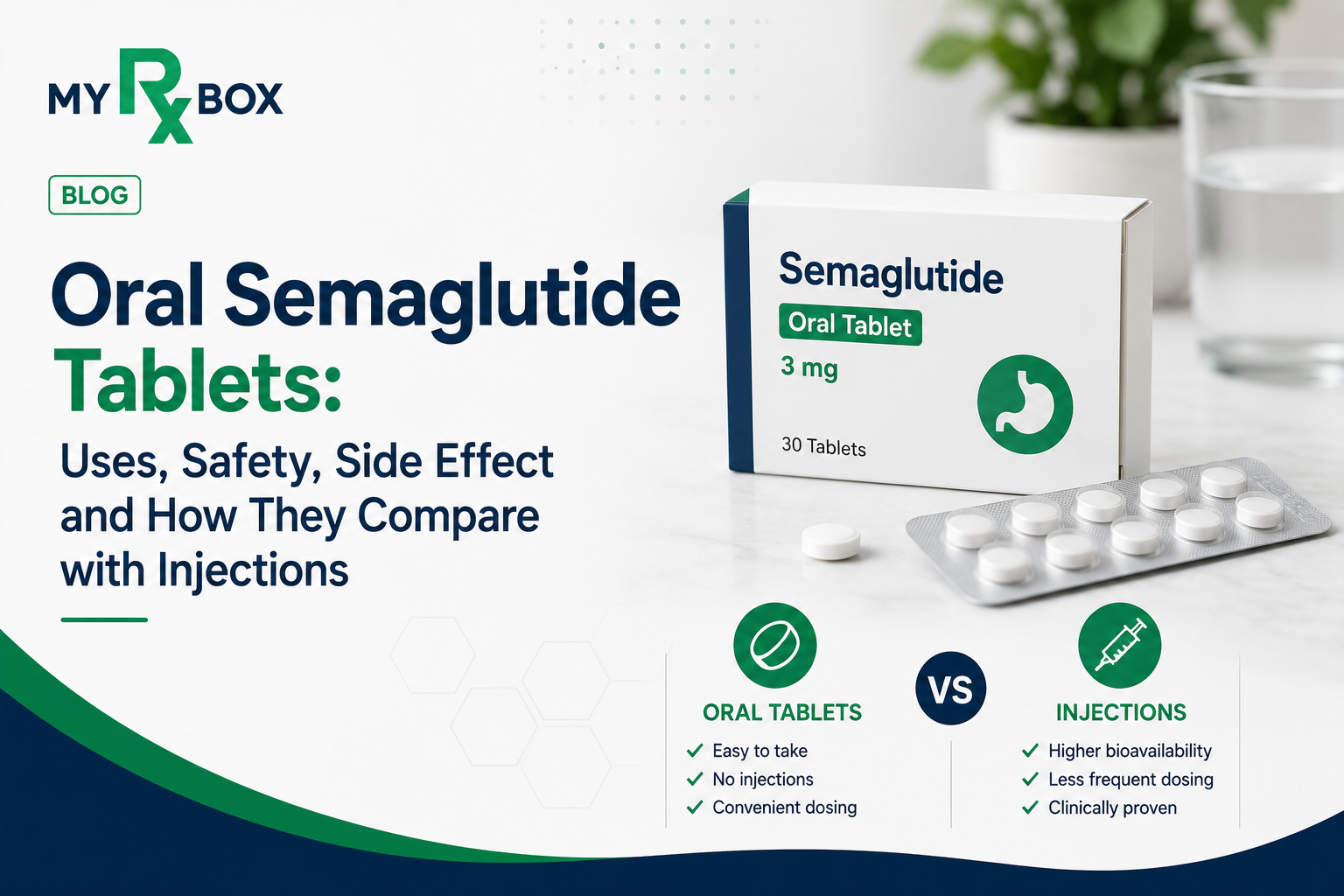
Patients seeking alternatives to injections can explore oral semaglutide formulations that offer a tablet-based approach to blood glucose control.
| Brand Name | Generic Name | Approval Year | Route | Primary Indication |
|---|---|---|---|---|
| Ozempic | Semaglutide | 2017 | Injectable | Type 2 Diabetes |
| Wegovy | Semaglutide | 2021 | Injectable | Weight Management |
| Rybelsus | Semaglutide | 2019 | Oral Tablet | Type 2 Diabetes |
| Trulicity | Dulaglutide | 2014 | Injectable | Type 2 Diabetes |
| Victoza | Liraglutide | 2010 | Injectable | Type 2 Diabetes |
| Saxenda | Liraglutide | 2014 | Injectable | Weight Management |
| Bydureon BCise | Exenatide ER | 2012 | Injectable | Type 2 Diabetes |
| Adlyxin | Lixisenatide | 2016 | Injectable | Type 2 Diabetes |
Injectable GLP-1 Medications: Weekly and Daily Formulations
Injectable glucagon-like peptide-1 drugs remain the dominant delivery method for GLP-1 therapy. These medications mimic the body’s natural incretin hormones, stimulating insulin secretion while suppressing glucagon release in response to meals. The choice between weekly and daily injections often comes down to patient preference and lifestyle compatibility.
Weekly injectables offer convenience for patients who prefer fewer needle sticks. Semaglutide injectables like Ozempic and Wegovy feature a half-life of approximately one week, allowing for once-weekly dosing. Dulaglutide (Trulicity) follows a similar weekly schedule with a pre-filled, single-use pen design. Exenatide extended-release (Bydureon BCise) provides another weekly option within the incretin mimetics class.
Daily injectables require more frequent administration but offer flexibility in timing. Liraglutide, available as Victoza for diabetes and Saxenda for weight management, requires daily administration due to its shorter half-life of approximately 13 hours. Lixisenatide (Adlyxin) also follows a daily injection schedule.
Several cardiovascular outcome trials have demonstrated benefits beyond glycemic control. According to Preventivemedicinedaily, the global GLP-1 receptor agonist market reached $62.8 billion in 2025 and continues expanding as cardiovascular benefits become more widely recognized in clinical practice.
- Ozempic (Semaglutide) Weekly injection for type 2 diabetes; reduces cardiovascular event risk in high-risk patients
- Wegovy (Semaglutide) Weekly injection for chronic weight management; higher maximum dose than Ozempic
- Trulicity (Dulaglutide) Weekly injection with proven cardiovascular benefit for type 2 diabetes
- Victoza (Liraglutide) Daily injection for type 2 diabetes; cardiovascular risk reduction indication
- Saxenda (Liraglutide) Daily injection specifically approved for weight management
- Bydureon BCise (Exenatide ER) Weekly injection; first-in-class GLP-1 agonist
- Adlyxin (Lixisenatide) Daily injection; indicated for type 2 diabetes management
Patients sourcing these medications should work with authentic GLP-1 products from licensed pharmacies to ensure proper handling, storage, and verified ingredients.
Oral GLP-1 Medications: Rybelsus and Emerging Tablet Options
Rybelsus represents the first and only oral semaglutide medications approved by the FDA as of 2026. This formulation uses innovative absorption enhancement technology to deliver semaglutide through the gastrointestinal tract rather than injection.
The tablet contains sodium N-[8-(2-hydroxybenzoyl)amino]caprylate (SNAC), which creates an absorption window in the stomach. This technology protects the semaglutide molecule from enzymatic degradation while facilitating transcellular transport into systemic circulation.
Administration requirements for oral semaglutide are strict. Patients must take the tablet on an empty stomach with no more than 4 ounces of plain water, waiting at least 30 minutes before eating, drinking other beverages, or taking other oral medications. This fasting window ensures optimal absorption.
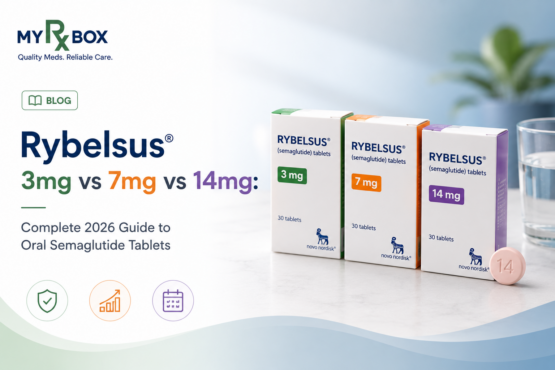
Rybelsus is available in three strengths: 3 mg, 7 mg, and 14 mg tablets. Patients typically start at 3 mg daily for the first 30 days before titrating upward. Exploring Rybelsus dosing strengths with a healthcare provider helps determine the appropriate maintenance dose based on individual response and tolerability.
Pipeline developments for 2026 include additional oral GLP-1 formulations in clinical trials. These next-generation tablets aim to offer alternative delivery mechanisms with potentially less restrictive dosing protocols.
GLP-1 Medications Approved for Weight Management vs Diabetes
The FDA has approved certain diabetes medications GLP-1 specifically for weight management, creating distinct categories within the same drug class. Understanding these labeling differences is essential for proper prescribing and insurance coverage.
Wegovy and Saxenda carry explicit FDA approval for chronic weight management in patients with a body mass index (BMI) of 30 or greater, or 27 or greater with at least one weight-related comorbidity. Ozempic and Victoza maintain approval specifically for type 2 diabetes treatment, though weight reduction is a recognized secondary effect.
Dosage differences exist between weight-management and diabetes formulations even when the active ingredient is identical. Wegovy reaches a maximum dose of 2.4 mg weekly, while Ozempic tops out at 2 mg weekly for diabetes management. These differences reflect the distinct clinical trial populations and endpoints studied during approval processes.
According to Drugs, weight-loss performance of these medications surpasses many other treatments, highlighting their potential in addressing obesity among eligible patients.
| Drug | Approved Use | Starting Dose | Maximum Dose | Frequency |
|---|---|---|---|---|
| Wegovy | Weight Management | 0.25 mg | 2.4 mg | Weekly |
| Ozempic | Type 2 Diabetes | 0.25 mg | 2.0 mg | Weekly |
| Saxenda | Weight Management | 0.6 mg | 3.0 mg | Daily |
| Victoza | Type 2 Diabetes | 0.6 mg | 1.8 mg | Daily |
Off-label prescribing does occur when healthcare providers determine that an approved diabetes medication may benefit a patient’s weight management goals. However, insurance coverage for off-label use varies significantly, and patients should discuss prescription medication pricing options with their pharmacy.
How GLP-1 Medications Differ: Potency, Half-Life, and Dosing Schedules
The GLP-1 agonist list reveals significant pharmacokinetic variation across medications. These differences directly influence dosing frequency, titration protocols, and therapeutic potency.
Half-life determines how long the medication remains active in the body. Semaglutide and dulaglutide feature extended half-lives of approximately one week, enabling once-weekly administration. Liraglutide’s shorter half-life necessitates daily injections. These pharmacokinetic properties stem from molecular modifications that protect against enzymatic degradation.
GLP-1 drug names generally indicate the active molecule, but potency varies. Semaglutide demonstrates high receptor binding affinity and potency compared to earlier GLP-1 agonists like exenatide. This higher potency translates to greater glycemic efficacy and weight reduction in clinical trials.
Titration schedules represent another differentiating factor. Most GLP-1 medications require gradual dose escalation to minimize gastrointestinal side effects. Patients typically start at a low dose for four weeks before increasing. This slow titration allows the body to adapt to the medication’s effects on gastric emptying and appetite signaling.
- Weekly Potency Ranking Semaglutide shows highest potency among weekly formulations
- Daily Options Liraglutide and lixisenatide offer shorter-acting alternatives
- Titration Duration Most medications require 4 weeks per dose level before increasing
- Injection Volume Pre-filled pens deliver consistent doses with minimal variation
- Storage Requirements Most injectables require refrigeration until first use
Safety Profiles and Black Box Warnings Across GLP-1 Drug Class
All type 2 diabetes treatments in the GLP-1 class carry a boxed warning regarding thyroid C-cell tumors observed in rodent studies. While human relevance remains unconfirmed, the FDA requires this warning for all GLP-1 receptor agonists based on precautionary principles.
Patients with a personal or family history of medullary thyroid carcinoma or Multiple Endocrine Neoplasia syndrome type 2 should not use these medications. Healthcare providers must assess thyroid cancer risk before initiating therapy.
Beyond thyroid warnings, the GLP-1 drug class carries additional safety considerations:
- Pancreatitis Risk Monitor for severe abdominal pain; discontinue if suspected
- Gallbladder Disease Gallstones reported in clinical trials; may require surgical intervention
- Kidney Injury Dehydration from gastrointestinal effects can worsen renal function
- Diabetic Retinopathy Rapid glucose lowering may temporarily worsen existing eye conditions
- Hypoglycemia Risk Low blood glucose risk increases when combined with sulfonylureas or insulin
Gastrointestinal effects represent the most common adverse reactions. Nausea, vomiting, diarrhea, and constipation affect a significant portion of patients, particularly during dose escalation. Most symptoms improve over weeks as the body adjusts. Patients should review semaglutide safety considerations before starting treatment to understand warning signs requiring medical attention.
Healthcare providers should monitor kidney function throughout treatment, especially during periods of gastrointestinal illness that may cause dehydration.
Choosing Between GLP-1 Medications: Clinical Decision Factors [2026 Data]
Selecting from the list of GLP-1 medications requires individualized assessment. Patient preferences, medical history, and practical considerations all influence the optimal choice.
Injection tolerance varies significantly among patients. Some individuals strongly prefer weekly injections over daily formulations. Others may opt for oral semaglutide to avoid needles entirely. These practical preferences can affect long-term adherence and treatment success.
Cardiovascular outcome trial data provides guidance for patients with established cardiovascular disease or high risk. Semaglutide (Ozempic) and dulaglutide (Trulicity) have demonstrated cardiovascular benefit in large randomized trials, reducing major adverse cardiovascular events compared to placebo.
Cost considerations remain substantial for many patients. Insurance coverage varies by indication, formulation, and individual formulary design. Patients without adequate coverage may face significant out-of-pocket expenses. Accessing medications through verified online pharmacy sources with proper prescription validation helps ensure medication authenticity while potentially reducing costs.
| Factor | Consideration | Medication Impact |
|---|---|---|
| Injection Tolerance | Needle aversion | Consider Rybelsus (oral) |
| Adherence History | Daily vs weekly preference | Weekly options may improve compliance |
| Cardiovascular Risk | High CV risk patient | Semaglutide/dulaglutide have outcome data |
| Weight Goals | Primary weight loss target | Wegovy or Saxenda indicated |
| Cost/Insurance | Coverage limitations | Consult formulary for preferred options |
Key Takeaways: Navigating the GLP-1 Medication Landscape
- Verify FDA approval status before purchasing any GLP-1 medication through affordable prescription access channels to ensure product authenticity.
- Distinguish between diabetes and weight management indications the same active ingredient may have different approved uses and dosing.
- Understand the black box warning for thyroid C-cell tumors and screen appropriately before starting therapy.
- Expect gradual dose titration to minimize gastrointestinal side effects during the first months of treatment.
- Consult healthcare providers for personalized medication selection based on medical history, preferences, and insurance coverage.
Frequently Asked Questions About GLP-1 Medications
Which GLP-1 medication is the strongest?
Semaglutide (Wegovy/Ozempic) demonstrates the highest magnitude of HbA1c reduction and weight loss among currently approved GLP-1 agonists. Clinical trial data consistently shows semaglutide outperforming other agents in its class for both glycemic and weight outcomes. Tirzepatide (a dual GIP/GLP-1 agonist) shows even greater efficacy but belongs to a separate drug class.
Are oral GLP-1 medications as effective as injectables?
Generally comparable when dosed appropriately. Oral semaglutide (Rybelsus) achieved similar HbA1c reductions to injectable semaglutide in head-to-head trials at equivalent exposures. However, the maximum approved oral dose (14 mg daily) delivers less total drug exposure than maximum injectable doses, which may limit comparative efficacy for some patients.
Does insurance cover GLP-1 medications for weight loss?
Coverage varies significantly by plan. Many insurance formularies cover GLP-1 medications for type 2 diabetes but exclude weight-management indications. Patients prescribed Wegovy or Saxenda often face higher out-of-pocket costs or prior authorization requirements. Employer-sponsored plans increasingly include weight-management coverage, but Medicare Part D generally excludes weight-loss medications.
Can patients switch between different GLP-1 medications?
Yes, with proper medical guidance. Switching may occur due to side effects, cost, or efficacy concerns. Healthcare providers typically recommend completing titration periods before evaluating response. When switching between GLP-1 medications, overlapping dosing schedules and titration restarts require careful clinical management.
Are compounded GLP-1 medications safe?
Regulatory agencies express concerns about compounded products. FDA-issued alerts warn that compounded semaglutide products may contain different active ingredients, salts, or concentrations than approved formulations. Patients should understand that compounded medications lack the same manufacturing oversight, safety testing, and quality assurance as FDA-approved products.
What happens if GLP-1 medications are discontinued?
Weight regain and glycemic deterioration occur commonly. Studies show patients who stop GLP-1 therapy typically regain significant weight within months. Blood glucose control similarly worsens after discontinuation. These medications require ongoing use for sustained benefit, similar to other chronic disease treatments.