Lactose intolerance affects 70% of the global population, yet effective medication exists to restore dairy tolerance. Enzyme replacement therapies, prescription digestive aids, and emerging biologics now enable symptom-free dairy consumption. This guide examines proven pharmaceutical interventions, dosing protocols, and cost-effective treatment strategies available through international online pharmacies like myRxBox in 2026.
Quick Answer: What Medication Treats Lactose Intolerance Most Effectively
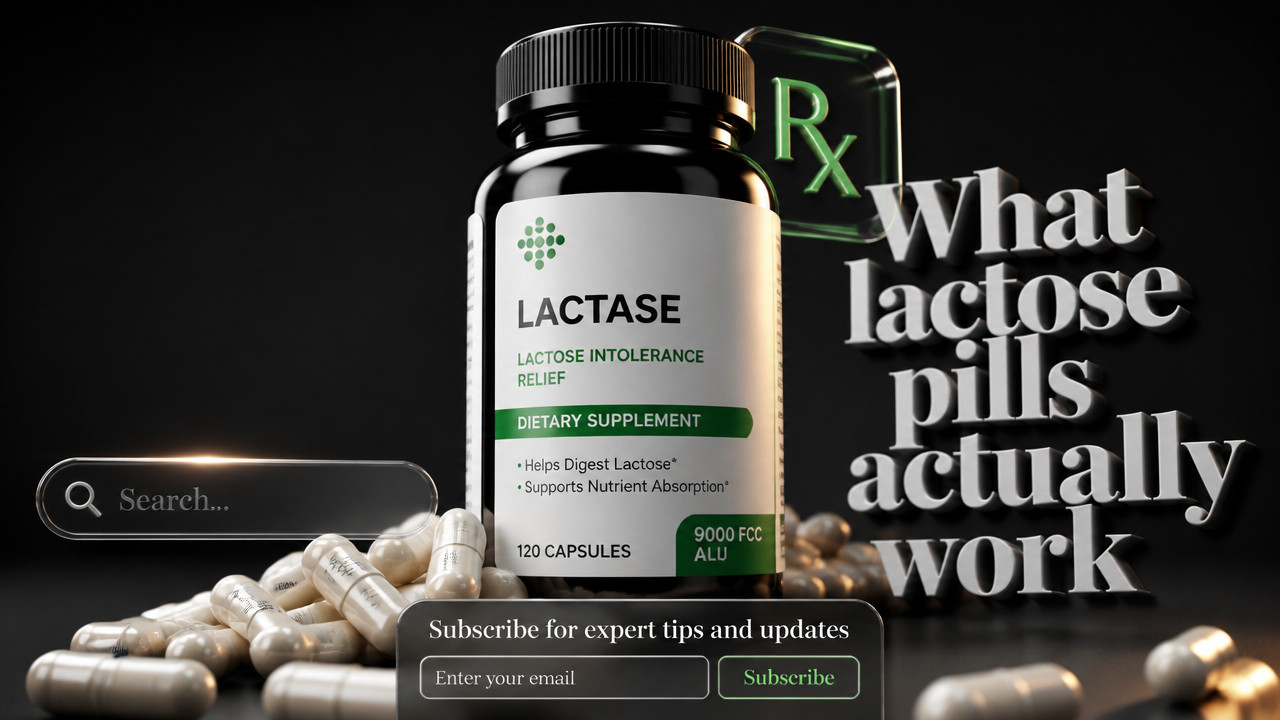
The most effective lactose intolerance medication remains lactase enzyme supplements, which directly replace the missing digestive enzyme. Standard over-the-counter formulations typically contain 6,000-9,000 IU of lactase activity per dose, sufficient to digest approximately 12-20 grams of lactose. For most patients, these supplements provide reliable symptom prevention when taken correctly before dairy consumption.
According to Straitsresearch, about 70% of the lactose intolerant population suffers from primary lactose intolerance, a condition where the body cannot digest lactose due to genetically determined lactase non-persistence. This prevalence makes accessible treatment essential for millions worldwide seeking affordable medication pricing options.
Basic treatment categories for lactose intolerance include enzyme replacement, symptom management, microbiome support, and prescription alternatives:
- Lactase enzyme supplements First-line therapy providing immediate digestive capacity
- Probiotic formulations Adjunctive therapy supporting gut flora lactase production
- Simethicone and antispasmodics Symptomatic relief for gas and cramping
- Prescription digestive aids High-potency enteric-coated enzymes for severe cases
Lactase Enzyme Supplements: Mechanism and Clinical Efficacy Data
Lactase supplements contain β-galactosidase, an enzyme that hydrolyzes lactose into its constituent monosaccharides: glucose and galactose. This enzymatic reaction occurs in the small intestine, where the supplemented lactase mimics naturally occurring brush-border enzyme activity. The resulting simple sugars absorb readily through the intestinal epithelium, preventing undigested lactose from reaching the colon where bacterial fermentation causes symptoms.
Modern enzyme replacement therapy formulations demonstrate improved stability and bioavailability compared to earlier generations. Cold-pressed tablets preserve enzyme integrity, while microencapsulation technology protects lactase from gastric acid degradation. Clinical evaluations from 2026 indicate properly formulated supplements achieve 85-95% symptom reduction when patients follow correct dosing protocols.
| Enzyme Potency (IU) | Approximate Dairy Equivalent | |
|---|---|---|
| 3,000 IU | 6-8 grams | Half cup milk |
| 6,000 IU | 12-15 grams | Full cup milk |
| 9,000 IU | 18-22 grams | Large milkshake |
| 12,000 IU | 24-30 grams | Multiple dairy servings |
Formulation choice significantly impacts clinical outcomes. enzyme-based pharmaceutical treatments are available in several delivery formats, each suited to different patient preferences and dining situations.
Chewable tablets offer convenience and rapid dissolution, making them popular for restaurant use. Liquid formulations allow precise dose titration for variable dairy intake. Capsule formulations provide the highest enzyme concentration per unit but require earlier administration to allow dissolution before food arrival. Clinical data suggests chewable and liquid forms achieve peak activity within 10-15 minutes, while capsules may require 20-30 minutes for optimal effect.
Prescription Digestive Aids: When Over-the-Counter Options Fail
Some patients require prescription-strength dairy intolerance treatment when standard supplements prove insufficient. Enteric-coated enzyme formulations bypass stomach acid entirely, dissolving in the higher pH environment of the duodenum. This targeted delivery preserves maximum enzyme activity for small intestine action and may benefit patients with documented low gastric pH or rapid intestinal transit times.
Patients with delayed gastric emptying present particular challenges. Food remains in the stomach longer, meaning timing enzyme supplements becomes difficult. Prokinetic agents prescribed for gastroparesis can normalize gastric emptying, indirectly improving lactase supplement effectiveness by ensuring food and enzyme arrive simultaneously in the small bowel.
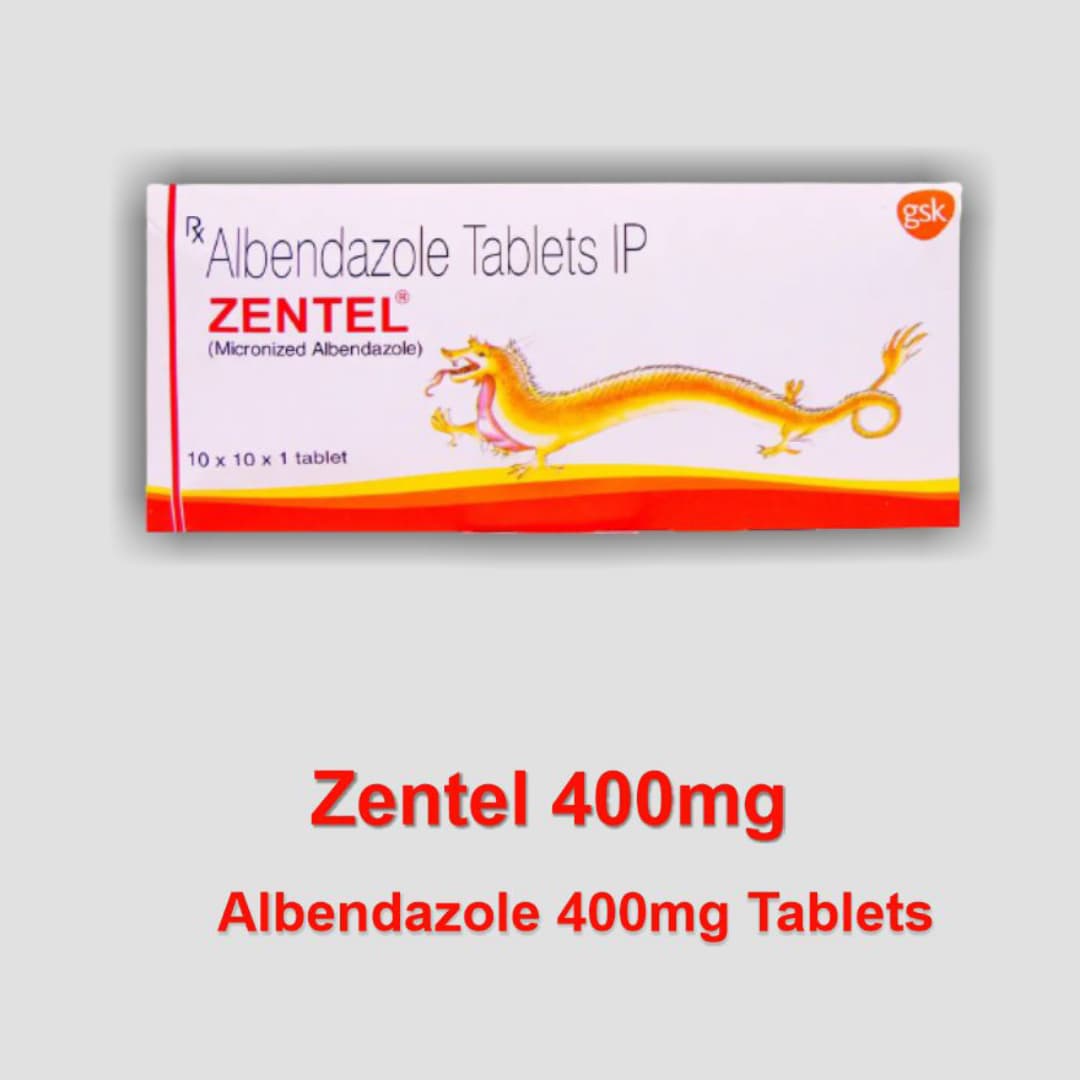
Small Intestinal Bacterial Overgrowth (SIBO) complicates lactose intolerance significantly. Bacterial fermentation occurring high in the small intestine produces symptoms even with adequate lactase supplementation. Antibiotic protocols targeting overgrowth bacteria may restore lactose tolerance by normalizing intestinal flora distribution. Patients sometimes require antiparasitic medications for digestive conditions when parasitic infection masquerades as lactose intolerance.
Prescription medication classes for complex lactose intolerance include:
- Enteric-coated lactase formulations Protected enzymes for acid-sensitive patients
- Prokinetic agents Improved gastric emptying for better enzyme timing
- Pancreatic enzyme supplements Combined lipase, amylase, and protease support
- Antibiotic protocols Rifaximin or similar for SIBO-related symptoms
- Prescription probiotics Medical-grade microbiome restoration
How to Dose Lactase Medication for Optimal Dairy Tolerance
Calculating appropriate enzyme dosage requires understanding both supplement potency and lactose load. The general formula suggests 300-500 IU of lactase activity per gram of lactose consumed. Individual variation exists, but patients can use this baseline and adjust based on personal response. For reliable digestive medication dosing guidelines, consulting healthcare providers ensures personalized protocols.
Timing remains critical for effectiveness. Digestive enzyme tablets must be present in the small intestine when lactose arrives. Taking supplements 5-15 minutes before dairy consumption allows tablet dissolution and enzyme activation. Waiting until symptoms begin provides no benefit, as fermentation has already started. For large dairy meals, split dosing improves outcomes: take half the enzyme before eating, remainder 30-60 minutes into the meal.
| Dairy Product | Typical Lactose Content (grams) | Recommended Enzyme Units |
|---|---|---|
| Milk (1 cup/240ml) | 12 grams | 6,000-9,000 IU |
| Ice cream (1/2 cup) | 6-10 grams | 3,000-6,000 IU |
| Soft cheese (1 oz) | 0.5-1 gram | 600-1,000 IU |
| Yogurt (1 cup) | 8-12 grams | 4,000-8,000 IU |
| Pizza slice | 4-8 grams | 2,000-5,000 IU |
| Latte (12 oz) | 10-14 grams | 5,000-8,000 IU |
According to Thebusinessresearchcompany, the global lactose intolerance treatment market size reached $34.43 billion in 2025, reflecting substantial demand for effective pharmaceutical interventions. Market growth underscores the importance patients place on maintaining dietary flexibility while managing their condition effectively.
Emerging Biologic Therapies: Microbiome Modulation and Probiotic Adjuncts
Beyond traditional enzyme supplementation, microbiome-focused interventions offer promising avenues for lactose malabsorption medication development. Specific probiotic strains demonstrate intrinsic lactase activity, supplementing host enzyme capacity through direct bacterial lactase production within the intestinal lumen.
Lactobacillus acidophilus, Lactobacillus bulgaricus, and Bifidobacterium longum show particular promise for lactose-intolerant patients. These organisms ferment lactose themselves, reducing the substrate load reaching the colon. Regular probiotic supplementation may decrease supplementary enzyme requirements over time, though patients should not discontinue lactase supplements based solely on probiotic use without evaluation.
Emerging research on fecal microbiota transplant (FMT) suggests potential for durable lactose tolerance restoration. Early trials indicate that introducing microbiota from lactose-tolerant donors may establishes lactase-producing bacterial populations in recipient intestines. While not yet standard clinical practice, this approach represents frontier development in gut microbiome interventions for digestive disorders.
Improved probiotic formulations demonstrate sustained symptom reduction in 2026 clinical data. Patients utilizing multi-strain probiotic complexes alongside enzyme therapy report better outcomes than enzyme alone, suggesting synergistic effects warrant consideration in comprehensive treatment planning.
Cost Analysis: Comparing Brand-Name vs Generic Lactase Medications
Medication costs vary substantially across supply channels. Understanding pricing structures helps patients make informed decisions about their ongoing dairy allergy medication needs. Brand recognition commands premium pricing, while generic alternatives containing identical active ingredients offer substantial savings.
International pharmacy access provides significant cost advantages. myRxBox sources quality-assured medications from trusted pharmaceutical suppliers worldwide, passing savings to customers through competitive pricing structures. Patients managing chronic conditions requiring sustained enzyme supplementation benefit particularly from international medication price comparisons that demonstrate potential savings.
| Medication Type | Brand Cost (per 100 doses) | Generic Cost (per 100 doses) |
|---|---|---|
| Standard lactase (6,000 IU) | $25-35 | $12-18 |
| Extra-strength (9,000 IU) | $35-45 | $18-25 |
| Chewable formulation | $30-40 | $15-22 |
| Liquid suspension | $40-55 | $22-30 |
Quality assurance remains paramount when selecting generic medications. Reliable international pharmacies source from facilities meeting WHO good manufacturing practice standards, ensuring bioequivalence to branded alternatives while offering substantial cost reductions.
How to Purchase Lactose Intolerance Medication Through Online Pharmacies
Online pharmacy platforms expand access to quality lactose digestive supplements and prescription digestive aids. Understanding the ordering process ensures smooth transactions and reliable medication delivery for patients worldwide.
- Identify medication needs Determine whether OTC enzyme supplements or prescription products suit your condition
- Verify pharmacy credentials Confirm the platform sources from licensed pharmaceutical suppliers
- Upload valid prescriptions Required for prescription-strength enzyme formulations
- Select appropriate products Choose formulation, strength, and quantity matching your treatment plan
- Complete secure checkout Encrypted payment processing protects personal and financial data
- Track international delivery Worldwide shipping provides updates from dispatch to delivery
Customers in specific regions can access UK-specific ordering information to understand local regulatory requirements and delivery timeframes. myRxBox maintains transparent ordering processes with clear quality verification at every stage, from supplier validation through final delivery confirmation.
Key Takeaways: Optimizing Lactose Intolerance Medication Strategy
Successful lactose intolerance management requires understanding enzyme supplements, proper dosing, and cost-effective sourcing. The following principles guide optimal treatment outcomes:
- Enzyme supplements achieve 85-95% symptom reduction when taken correctly before dairy consumption
- Standard dosing ranges from 6,000-9,000 IU, scaling based on lactose load consumed
- Timing remains critical take supplements 5-15 minutes before dairy intake for optimal effectiveness
- Microbiome support through specific probiotic strains enhances enzyme therapy outcomes
- International pharmacy access provides substantial cost savings for ongoing medication needs
- myRxBox offers secure ordering with worldwide delivery for both OTC and prescription digestive aids
- Complex cases may require prescription evaluation including enteric-coated formulations or SIBO treatment
For patients seeking reliable access to comprehensive antiparasitic and digestive medications, myRxBox provides verified pharmaceutical products at competitive prices, supporting effective long-term digestive health management.
FAQ: Lactose Intolerance Medication Questions Answered
Can lactase supplements prevent all dairy intolerance symptoms?
No supplement prevents all symptoms in all patients. Clinical studies indicate 85-95% symptom reduction with proper dosing. Complete elimination requires careful enzyme timing, appropriate dose calculation, and sometimes adjunctive probiotic support.
How long before eating dairy should I take lactase medication?
Take supplements 5-15 minutes before dairy consumption. This window allows tablet dissolution and enzyme activation before lactose reaches the small intestine. Capsules may require 20-30 minutes for optimal effect.
Are there side effects from taking lactase enzyme supplements?
Side effects are rare and typically mild. Some patients report minor bloating or gas initially. Serious adverse reactions are extremely uncommon, making lactase supplements among the safest pharmaceutical interventions available.
Can I use lactase medication during pregnancy?
Lactase supplements appear safe during pregnancy. These enzymes act locally in the gut without systemic absorption. Pregnant patients should discuss options with healthcare providers to determine appropriate formulations for their needs.
What happens if I take too much lactase enzyme?
Excess enzyme causes no known toxicity. The body simply eliminates unused lactase through normal digestive processes. Taking more than needed offers no additional benefit but wastes medication and increases costs.
Do probiotic supplements replace the need for lactase medication?
Probiotics support but do not replace enzyme therapy. Certain strains produce lactase but typically insufficient quantities for complete symptom prevention. Probiotics work best as adjunctive therapy alongside standard enzyme supplementation.
Can children safely use lactose intolerance medication?
Children can safely use lactase supplements. Dosing should align with body weight and lactose load. Pediatric formulations exist, and many products carry specific dosing instructions for younger patients.
How should I store lactase enzyme supplements?
Store supplements in cool, dry locations away from direct sunlight. Heat and moisture degrade enzyme activity over time. Check expiration dates regularly, as potency decreases beyond labeled shelf life.
Can lactose intolerance medication help with dairy allergy?
No, lactase supplements do not treat dairy allergy. Lactose intolerance involves enzyme deficiency, while dairy allergy involves immune system reaction to milk proteins. Patients with true dairy allergy must avoid all dairy products regardless of enzyme supplementation.