Gout medication names fall into three distinct categories: urate-lowering agents like allopurinol and febuxostat, anti-inflammatory drugs including colchicine and naproxen, and corticosteroids for severe flares. Understanding the specific function of each medication class ensures optimal uric acid control and rapid symptom relief. This comprehensive guide breaks down every FDA-approved gout treatment available in 2026, empowering patients and healthcare providers to make informed decisions based on clinical evidence, cost structures, and individual health profiles.
Quick Answer: Essential Gout Medication Categories
Prescription gout drugs operate through distinct mechanisms depending on whether the goal is preventing future attacks or stopping current inflammation. The three-tier classification system helps clinicians and patients navigate treatment pathways efficiently.
- Urate-Lowering Therapy (ULT) Allopurinol, febuxostat, probenecid, and lesinurad reduce serum uric acid levels to prevent crystal formation and long-term joint damage.
- Anti-Inflammatory Agents Colchicine and NSAIDs like naproxen interrupt the inflammatory cascade during acute gout flares, providing rapid pain relief.
- Corticosteroids and Biologics Prednisone, prednisolone, and pegloticase address severe polyarticular gout or refractory cases unresponsive to first-line treatments.
Each category serves a specific purpose in the gout management algorithm. Urate-lowering drugs address the underlying cause by dissolving monosodium urate crystals over months to years. Anti-inflammatory medications manage symptomatic flares while uric acid levels stabilize. Advanced therapies rescue patients with treatment-resistant disease or those who cannot tolerate standard options. Patients comparing long-term treatment costs should consult the medicine price index to budget accordingly.
Allopurinol and Febuxostat: First-Line Urate-Lowering Therapy
Xanthine oxidase inhibitors form the backbone of modern gout management. These drugs block the enzyme responsible for converting purines into uric acid, effectively reducing the raw material available for crystal formation. According to Arthritis, allopurinol remains a first-line urate-lowering medication recommended by the American College of Rheumatology for treating gout, particularly for patients with tophi or radiographic evidence of joint damage.
Allopurinol has served as the gold standard since the 1960s. The medication works by competitively inhibiting xanthine oxidase, reducing uric acid production at its source. Most patients begin at 100mg daily, with gradual titration every two to four weeks until serum urate falls below 6mg/dL. The typical maintenance dose ranges from 200mg to 300mg daily, though some patients require 400mg to 600mg for adequate control.
Febuxostat entered the market as a potent alternative for patients who cannot tolerate allopurinol or fail to reach target uric acid levels. The drug offers more predictable bioavailability and requires no dose adjustment in mild-to-moderate kidney disease. Available in 40mg and 80mg tablets, febuxostat achieves target urate levels in a higher percentage of patients compared to standard allopurinol dosing.
| Medication | Starting Dose | Max Dose | Renal Adjustment | Monthly Cost (Generic) |
|---|---|---|---|---|
| Allopurinol | 100mg daily | 800mg daily | Required if eGFR <50 | $15-30 |
| Febuxostat | 40mg daily | 120mg daily | Not required (mild-moderate) | $150-200 |
| Probenecid | 250mg twice daily | 2g daily | Contraindicated if eGFR <50 | $40-60 |
Both medications carry specific safety considerations. Allopurinol requires slow titration to prevent mobilization flares paradoxical gout attacks that occur as stored urate crystals begin dissolving. Patients with HLA-B*5801 genetic markers face elevated risks of severe hypersensitivity reactions, making genetic screening essential for high-risk populations. Febuxostat carries a boxed warning regarding cardiovascular events, prompting the FDA to recommend reserving it for patients who fail allopurinol therapy. Understanding the nuances between these medications helps patients use the medicine name decoder effectively when reviewing prescriptions.
Colchicine: The Ancient Drug Still Dominating Acute Flares
Colchicine traces its medicinal roots back 3,000 years to ancient Egypt, yet it remains a cornerstone of acute gout treatment in 2026. The drug operates through a unique mechanism: binding to tubulin proteins and disrupting microtubule assembly in neutrophils. This action prevents white blood cells from migrating into inflamed joints, effectively stopping the inflammatory cascade without directly affecting uric acid levels.
Modern colchicine protocols favor low-dose regimens over the aggressive dosing used in previous decades. Current guidelines recommend 1.2mg at the first sign of a flare, followed by 0.6mg one hour later. Patients then continue 0.6mg once or twice daily for prevention during urate-lowering therapy initiation. This approach maintains efficacy while dramatically reducing gastrointestinal toxicity that plagued earlier high-dose protocols.
Several FDA-approved colchicine formulations exist. Colcrys represents the branded version, while generic colchicine provides cost savings. Mitigare offers an FDA-approved prophylactic formulation for gout flare prevention. Patients should understand that colchicine interacts with several common medications. Strong CYP3A4 inhibitors like clarithromycin and certain antifungals require dose reduction. Patients taking statins face elevated myopathy risks, necessitating careful monitoring. Before purchasing, review the before buying medication online guidelines to ensure legitimate pharmacy sources.
NSAIDs for Gout: Naproxen, Indomethacin, and Alternatives
Non-steroidal anti-inflammatory drugs remain a preferred first-line option for acute gout attacks, particularly in patients without contraindications. These medications block cyclooxygenase enzymes, reducing prostaglandin production and inflammation at the affected joint. Naproxen has emerged as the preferred NSAID for gout due to its favorable cardiovascular safety profile compared to other options in the class.
- Naproxen 750mg loading dose, then 250mg every 8 hours; lowest cardiovascular risk among NSAIDs
- Indomethacin 50mg three times daily; historically preferred but higher GI toxicity
- Diclofenac 50mg twice daily; effective alternative with moderate risk profile
- Celecoxib 400mg loading, then 200mg twice daily; COX-2 selective option for patients intolerant to traditional NSAIDs
- Ibuprofen 800mg three times daily; less effective than other options for severe flares
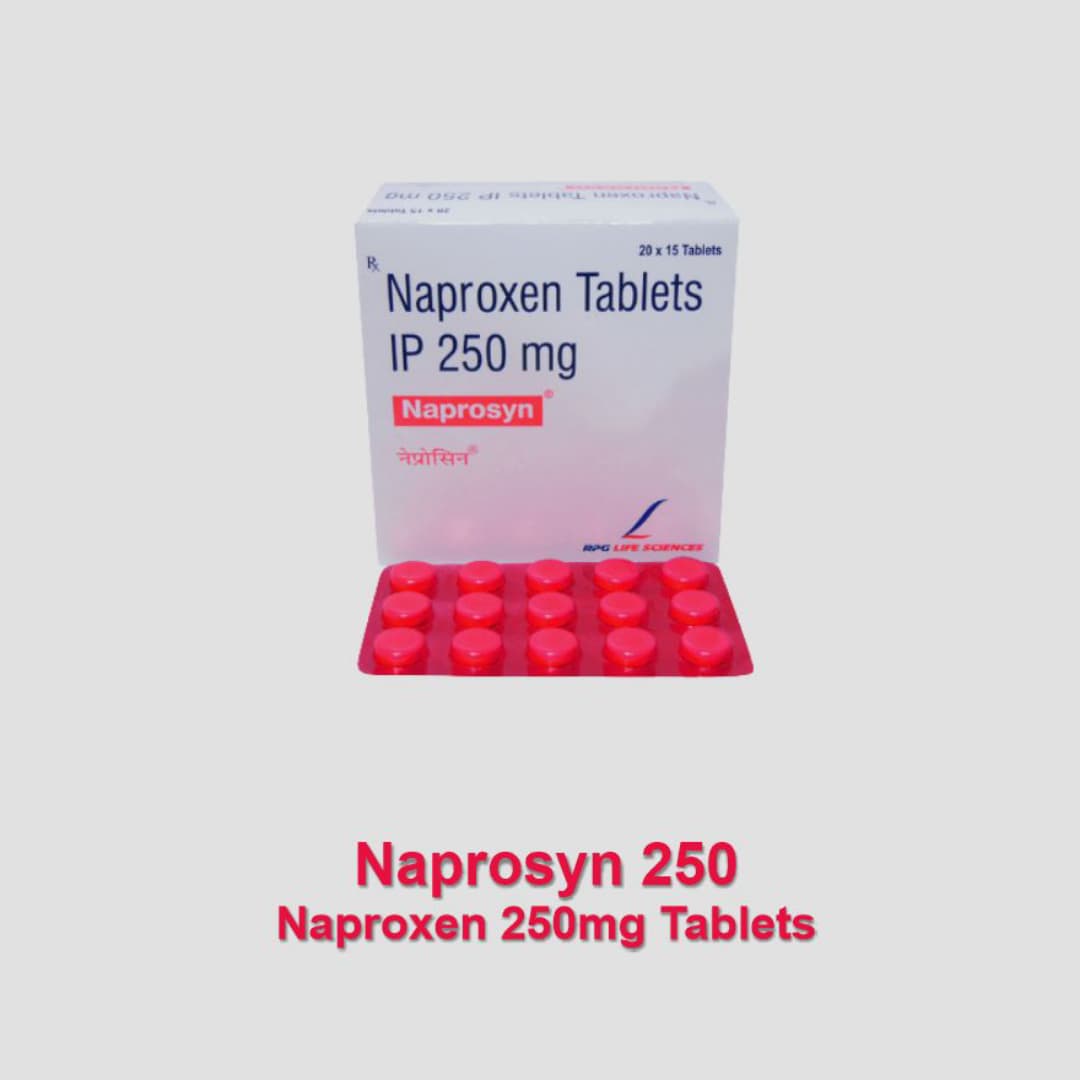
NSAID selection depends heavily on individual risk factors. Patients with history of peptic ulcer disease, gastrointestinal bleeding, or chronic kidney disease should avoid this class entirely. Cardiovascular disease requires careful consideration naproxen represents the safest choice among NSAIDs for patients with elevated cardiac risk. Treatment duration typically spans five to seven days, with symptom resolution guiding discontinuation. For those prescribed NSAIDs, Naproxen 250mg tablets offer an effective starting point for acute flare management.
How to Choose Between Probenecid and Lesinurad as Uricosurics
Uricosuric agents offer an alternative pathway for patients who cannot achieve adequate uric acid control with xanthine oxidase inhibitors alone. Rather than blocking uric acid production, these medications enhance renal excretion by inhibiting urate transporter proteins in the proximal tubule. This mechanism proves particularly valuable for patients with normal kidney function who remain hyperuricemic despite maximized allopurinol dosing.
Probenecid served as the sole uricosuric option for decades. The drug blocks URAT1 and GLUT9 transporters, increasing fractional uric acid excretion from approximately 10% to over 50%. However, probenecid requires functional kidneys to work effectively. Patients with eGFR below 50mL/min experience dramatically reduced efficacy, rendering the medication essentially useless in advanced kidney disease.
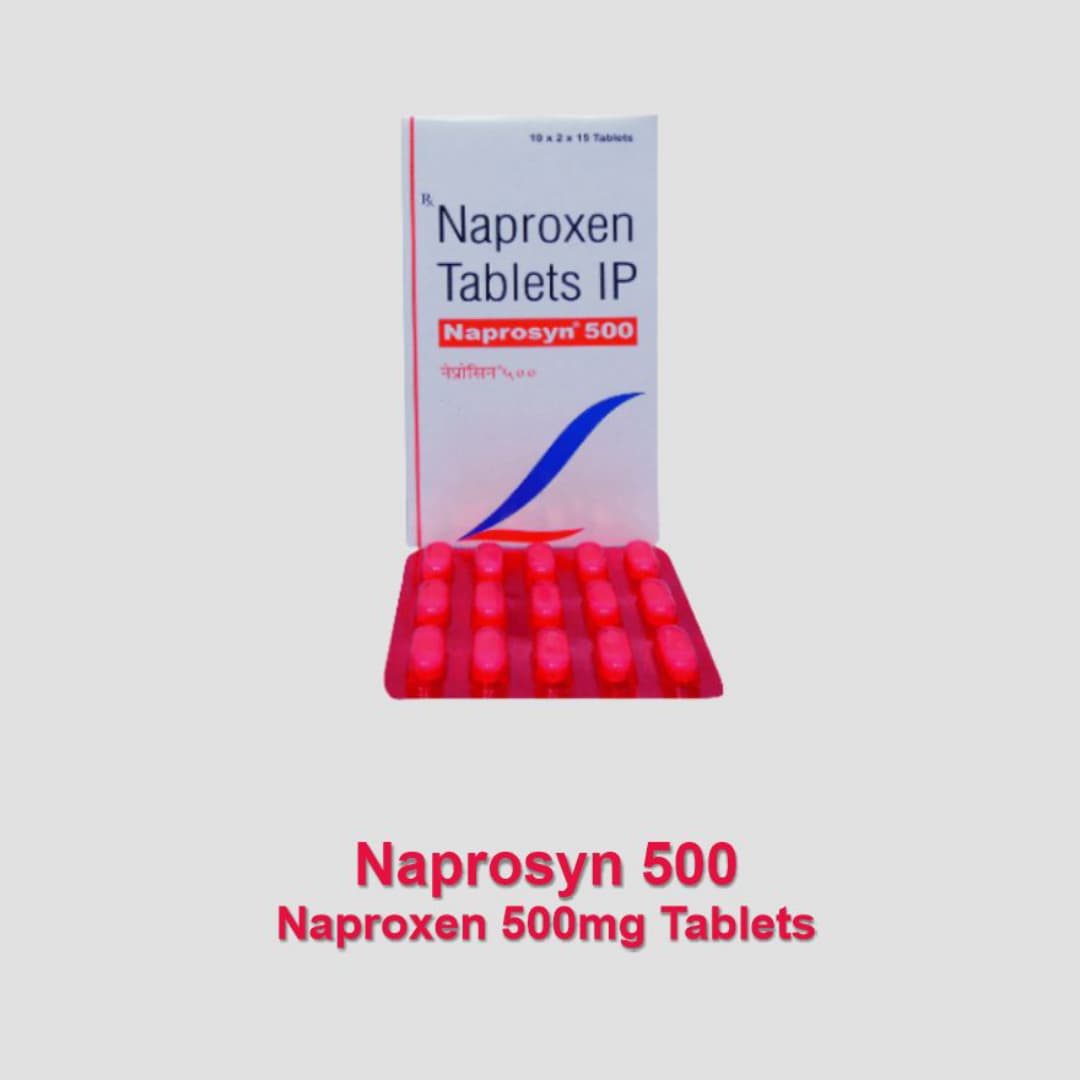
Lesinurad entered the market as a more selective URAT1 inhibitor, initially approved in combination with allopurinol. The medication demonstrated ability to enhance uric acid lowering when added to xanthine oxidase inhibitor therapy. However, safety concerns regarding acute kidney injury led to restricted prescribing patterns. Patients considering combination therapy should evaluate whether Naproxen 500mg option might better serve acute flare prevention during urate-lowering initiation.
| Patient Factor | Probenecid Appropriate? | Lesinurad Appropriate? |
|---|---|---|
| eGFR >50 mL/min | Yes | Yes (with allopurinol) |
| eGFR 30-50 mL/min | Limited efficacy | Use with caution |
| Urolithiasis history | Contraindicated | Use with caution |
| Multiple tophi | Yes | Yes (combination therapy) |
| Allopurinol intolerance | Consider febuxostat first | No (requires allopurinol) |
Corticosteroids and Pegloticase: Advanced Treatment Options
When first-line therapies fail or prove contraindicated, advanced medications provide essential alternatives for severe gout cases. Corticosteroids offer rapid anti-inflammatory action for polyarticular flares affecting multiple joints simultaneously. Pegloticase represents a biologic breakthrough for refractory tophaceous gout that has resisted all conventional treatments.
Prednisone and prednisolone serve as primary corticosteroid options for gout. Typical dosing starts at 30-40mg daily, tapered over 10-14 days to prevent rebound inflammation. Intra-articular steroid injections provide targeted relief for monoarticular flares when systemic treatment is undesirable. According to Medscape, allopurinol remains a first-line urate-lowering medication recommended by the American College of Rheumatology, but corticosteroids bridge the gap during the initial months of therapy when mobilization flares are most common.
Pegloticase introduces recombinant uricase enzyme therapy for the most challenging cases. This intravenous medication converts uric acid into allantoin, a highly soluble metabolite easily excreted by the kidneys. Infusions occur every two weeks, with dramatic uric acid reduction observed within hours of the first treatment. Patients with disabling tophi often experience visible reduction in crystal deposits within months.
Clinical trials demonstrate that pegloticase achieves target uric acid levels in approximately 40% of refractory gout patients, with responders often experiencing rapid tophi resolution and improved quality of life.
However, pegloticase carries significant considerations. The medication costs substantially more than oral therapies, and infusion reactions occur in a meaningful percentage of patients. Anaphylaxis risk necessitates pretreatment with antihistamines and corticosteroids. Patients should discuss the secure checkout process with their pharmacy when ordering specialty medications online.
Cost Comparison: Generic vs Brand-Name Gout Medications in 2026
Medication costs vary dramatically between generic and brand-name formulations, with potential savings reaching 90% for commonly prescribed drugs. Patients managing chronic gout face cumulative expenses over years of treatment, making cost considerations essential for treatment adherence. International pharmacy options have expanded access to affordable medications for patients without comprehensive insurance coverage.
| Medication | Generic Monthly Cost | Brand Monthly Cost | myRxBox Price |
|---|---|---|---|
| Allopurinol 300mg | $15-25 | $80-120 (Zyloprim) | $18 |
| Febuxostat 80mg | $150-180 | $450-550 (Uloric) | $165 |
| Colchicine 0.6mg | $40-60 | $200-250 (Colcrys) | $55 |
| Naproxen 500mg | $10-15 | $60-80 (Naprosyn) | $12 |
| Prednisone 10mg | $8-12 | $30-50 | $10 |
Generic medications contain identical active ingredients and must meet the same FDA bioequivalence standards as their brand-name counterparts. For most gout patients, generic allopurinol provides identical clinical outcomes to branded Zyloprim at a fraction of the cost. The primary exception involves colchicine, where FDA approval of branded Colcrys removed older unapproved generics from the market, though approved generics now exist.
International pharmacy pricing analysis reveals that patients can save 50-70% on gout medications by sourcing from verified international suppliers, particularly for expensive medications like febuxostat.
Cost-conscious patients should review their insurance formulary to understand coverage tiers and prior authorization requirements. Many plans require step therapy attempting allopurinol before approving febuxostat. Medicare beneficiaries should evaluate Part D coverage gaps and consider international pharmacy options for medications falling into the donut hole.
Key Takeaways: Matching Gout Medications to Patient Profiles
Selecting the right gout medication requires integrating disease characteristics, comorbidities, and patient preferences into a coherent treatment strategy. The following decision points guide appropriate therapy selection.
- Disease Stage Determines Drug Class Acute flares require anti-inflammatory agents; chronic management needs urate-lowering therapy for crystal dissolution.
- Kidney Function Guides Selection Reduced eGFR limits probenecid effectiveness and requires allopurinol dose adjustment; febuxostat offers an alternative.
- Cardiovascular History Matters Patients with heart disease should use naproxen preferentially among NSAIDs and consider allopurinol before febuxostat.
- Treatment Goals: Prophylaxis vs Resolution Colchicine and NSAIDs manage symptoms; urate-lowering therapy actually dissolves crystals and prevents future attacks.
- Combination Therapy for Difficult Cases Adding uricosurics to xanthine oxidase inhibitors can achieve target uric acid levels in refractory patients.
- Refractory Disease May Require Biologics Pegloticase offers hope for patients with disabling tophi who fail all conventional therapies.
Serum urate monitoring remains essential regardless of which medication patients take. Target levels below 6mg/dL prevent new crystal formation, while levels below 5mg/dL accelerate tophi resolution. Patients should track their uric acid results alongside medication adjustments to understand their individual response patterns. The comprehensive medication database provides additional resources for understanding treatment options.
Frequently Asked Questions About Gout Medication Names
Can I take allopurinol during an acute gout attack?
No, not if you are not already taking it. Starting allopurinol during an acute flare can worsen symptoms and prolong the attack. Patients already established on allopurinol should continue their medication during flares, often adding colchicine or NSAIDs for symptomatic relief until the episode resolves.
How long does it take for gout medications to work?
Anti-inflammatories work within hours; urate-lowering drugs take months. Colchicine and NSAIDs typically provide relief within 24-48 hours of initiating treatment. Allopurinol and febuxostat require three to six months of consistent therapy to dissolve existing crystal deposits and prevent future attacks.
What is the safest gout medication for elderly patients?
Allopurinol with careful titration is generally preferred. Elderly patients often have reduced kidney function requiring dose adjustments. Low-dose colchicine (0.6mg once daily) provides safe prophylaxis during urate-lowering initiation. NSAIDs require extreme caution in this population due to cardiovascular, renal, and gastrointestinal risks.
Can I drink alcohol while taking gout medications?
Alcohol intake should be minimized, especially beer and spirits. Alcohol both increases uric acid production and reduces renal excretion. Patients on urate-lowering therapy may tolerate moderate wine consumption better than beer, but all alcohol increases flare risk during treatment initiation.
Do gout medications interact with blood pressure drugs?
Yes, several important interactions exist. Thiazide diuretics can raise uric acid levels, potentially counteracting urate-lowering therapy. ACE inhibitors and angiotensin receptor blockers offer neutral or slightly uricosuric effects. Patients should review all medications with their prescribing physician before starting gout treatment. Review the medication safety guide for comprehensive interaction information.
Will I need to take gout medication forever?
Most patients require long-term urate-lowering therapy. Gout is a chronic disease caused by genetic factors affecting uric acid metabolism. Once crystal deposits have dissolved and target urate levels maintained, some patients may successfully taper therapy. However, recurrence is common after discontinuation, making lifelong management the standard approach for most individuals.