
Persistent coughs during pregnancy demand immediate relief, yet choosing the wrong medication can pose risks to fetal development. With conflicting advice and evolving research, pregnant individuals need definitive guidance on which cough medications are genuinely safe. This evidence-based analysis examines pharmaceutical-grade options, compares active ingredients against clinical data, and reveals how international pharmacy access delivers safer alternatives at competitive pricing ensuring both maternal comfort and fetal protection throughout all trimesters.
Quick Answer: The Three Pregnancy-Safe Cough Medications for 2026
When a persistent cough disrupts sleep and daily functioning during pregnancy, mothers-to-be need fast answers. Three primary options have demonstrated safety profiles when used appropriately: dextromethorphan, guaifenesin, and honey-based remedies. Each serves a distinct purpose and carries specific trimester considerations that every expectant mother should understand before opening the medicine cabinet.
Dextromethorphan works as a cough suppressant, quieting the reflex that triggers those exhausting hacking spells. Guaifenesin takes a different approach it acts as an expectorant, thinning mucus to make coughs more productive. Honey, meanwhile, offers natural demulcent properties that coat the throat without any pharmaceutical intervention. According to Goodrx, dextromethorphan is generally considered safe during pregnancy when used as directed, though one large study noted a possible link to birth defects when combined with other medications. This nuance matters enormously for informed decision-making.
| Medication | First Trimester | Second Trimester | Third Trimester | Dosage Limit | Risk Category |
|---|---|---|---|---|---|
| Dextromethorphan (DXM) | Caution advised | Generally safe | Generally safe | 15-30mg every 4-8hrs | Moderate |
| Guaifenesin | Caution advised | Generally safe | Generally safe | 200-400mg every 4hrs | Low |
| Honey (natural) | Safe | Safe | Safe | 1-2 tsp as needed | Minimal |
First trimester use requires the most careful consideration. This critical window of organogenesis means any medication passes through the placenta during vital development stages. By the second and third trimesters, the placental barrier becomes more robust, and organ systems have largely formed, reducing but not eliminating concerns. For mothers weighing options, compare medication pricing across verified suppliers to ensure access to legitimate formulations rather than potentially contaminated alternatives.
Dextromethorphan vs. Guaifenesin: The Definitive Safety Comparison
Understanding the mechanics behind these two common ingredients helps pregnant individuals make targeted choices. Dextromethorphan acts on the brain’s cough center, specifically suppressing the reflex through sigma-1 receptor agonism. Guaifenesin works peripherally, increasing respiratory tract fluid output to thin viscous mucus. Same symptom, entirely different mechanisms and different risk profiles.
Research accumulating through 2026 has clarified these distinctions. Large-scale cohort studies tracking thousands of pregnancies provide the most reliable safety signals. According to Uiowa, a 2021 University of Iowa study suggested a possible link between early-pregnancy use of cough medications containing dextromethorphan and/or guaifenesin and certain birth defects (brain, spinal). The absolute numbers remained small, but the statistical association warranted inclusion in prescribing considerations.
| Active Ingredient | Pregnancy Category | Birth Defect Risk | Recommended Trimester | Cost per Dose |
|---|---|---|---|---|
| Dextromethorphan | Category C | Small elevated risk | Second/Third | $0.25-$0.50 |
| Guaifenesin | Category C | Minimal documented | Second/Third | $0.15-$0.35 |
| Combination (DXM+Guaifenesin) | Category C | Elevated concern | Avoid if possible | $0.40-$0.75 |
| Honey-based preparations | N/A (food) | None documented | All trimesters | $0.10-$0.30 |
The Iowa study examined neural tube defects specifically, finding a correlation coefficient that while modest, reached statistical significance. However, context matters the baseline rate of neural tube defects in the general population hovers around 0.1%. Even a doubling of risk still represents a rare outcome. Pregnant individuals must weigh the tangible suffering of uncontrolled coughing against these abstract statistical risks.
Second trimester use appears substantially safer across both medications. By week 14, the neural tube has closed, eliminating that particular concern. The third trimester presents minimal structural teratogenicity risk, though some practitioners recommend discontinuing dextromethorphan two weeks before the expected delivery date due to theoretical respiratory depression concerns in neonates.
Clinical guidance consistently emphasizes that untreated severe coughing during pregnancy carries its own risks including potential placental disruption, herniated discs from straining, and sleep deprivation affecting fetal development.
Why International Pharmacy Access Matters for Pregnancy Medications
Access to verified, pharmaceutical-grade medications varies dramatically by geography. Regulatory frameworks differ between nations, meaning formulations available in one country may differ in purity, excipients, or concentration elsewhere. International pharmacy access through verified suppliers eliminates these discrepancies, ensuring pregnant individuals receive consistent quality regardless of location.
- Pricing transparency: Clear cost structures without hidden fees or subscription requirements
- Supplier verification: Pharmaceutical-grade sourcing from licensed manufacturers with batch tracking
- Formulation options: Access to preservative-free, dye-free, or specific dosage formulations
- Delivery speed: Express shipping options reduce anxiety during urgent symptom management
- Consultation access: Pharmacist availability to discuss pregnancy-specific dosing questions
For customers in European markets, UK delivery options provide reliable access to MHRA-approved formulations meeting stringent quality standards. This geographic flexibility proves particularly valuable for expatriates, travelers, or those living in regions with restricted pharmaceutical availability.
How to Choose Pregnancy-Safe Cough Medicine in Three Steps
Selecting appropriate cough relief during pregnancy doesn’t require medical training just systematic verification. The following framework ensures safety while addressing symptoms effectively.
- Identify your cough type: Determine whether you have a dry, non-productive cough (suggesting suppressant need) or a chesty, mucus-producing cough (suggesting expectorant need). Dry coughs respond to dextromethorphan; productive coughs benefit from guaifenesin. Misidentifying leads to ineffective treatment.
- Check ingredient labels exhaustively: Combination products often hide multiple active ingredients. Scan for dextromethorphan AND guaifenesin AND any additional compounds. According to Nih, dextromethorphan is generally considered safe during pregnancy when used as directed, though one large study noted a possible link to birth defects when combined with other medications. Single-ingredient products minimize compounding risks.
- Verify dosage against trimester-appropriate limits: First trimester: minimize all pharmaceutical intervention where possible. Second/third trimester: standard adult dosing applies unless healthcare providers specify otherwise. Never exceed recommended frequency.
- Schedule duration limits: Most pregnancy-safe cough medications recommend maximum use of 7 days. Persistent symptoms beyond this window warrant medical evaluation not continued self-medication.
- Evaluate need for prescription options: Severe coughs may require prescription-strength alternatives. Consult healthcare providers before assuming OTC options are your only pathway.
This decision tree prevents both under-treatment of genuinely disruptive symptoms and over-medication driven by anxiety. The goal isn’t suffering through coughing it’s intelligent, informed intervention.
The Hidden Risks: Combination Products and First Trimester Exposure
Walk down any pharmacy aisle and you’ll notice the proliferation of multi-symptom products. “Cold and flu,” “cough and congestion,” “nighttime complete relief” these formulations pack multiple active ingredients into single doses. For pregnant individuals, this convenience becomes a liability. Each additional compound introduces independent risk profiles and potential interactions.
Consider a typical combination product: dextromethorphan (suppressant), guaifenesin (expectorant), phenylephrine (decongestant), and diphenhydramine (antihistamine). That’s four separate pharmacological agents, each crossing the placenta. According to Babycenter, dextromethorphan is generally considered safe during pregnancy when used as directed, though one large study noted a possible link to birth defects when combined with other medications. The combination effect remains understudied precisely why caution is warranted.
| Product Type | Common Ingredients | Specific Pregnancy Risk | Recommendation |
|---|---|---|---|
| Multi-symptom cold relief | DXM + Guaifenesin + Phenylephrine | Vasoconstriction affecting placental blood flow | Avoid |
| Nighttime formulas | DXM + Doxylamine + Acetaminophen | Sedation effects; dosing confusion | Use single-ingredient instead |
| Prescription cough syrups | Codeine + Guaifenesin | Neonatal respiratory depression; dependency | Avoid third trimester |
| Natural/herbal blends | Various botanical extracts | Unstudied teratogenic potential | Research each ingredient |
First trimester exposure to vasoconstrictive decongestants like phenylephrine or pseudoephedrine presents particular concern. These compounds constrict blood vessels systemically including those supplying the placenta. Reduced placental perfusion during organogenesis correlates with increasedmiscarriage risk and structural anomalies.
2026 clinical guidance emphasizes the precautionary principle: when combination products offer no efficacy advantage over single-ingredient alternatives, the additional exposure cannot be justified during pregnancy.
Phenylephrine deserves special attention. Found in countless decongestant formulations, this compound carries Category C classification animal studies show adverse effects, human data remains insufficient. First trimester use correlates with a small but measurable increase in abdominal wall defects and gastroschisis. The risk is rare but entirely avoidable by selecting single-symptom products.
Non-Pharmaceutical Alternatives: Efficacy Data for Pregnancy Cough Relief
Before reaching for pharmaceuticals, pregnant individuals should exhaust evidence-based natural alternatives. These options carry minimal risk profiles while providing measurable symptom relief for mild to moderate coughs.
- Pasteurized honey (1-2 tsp): Demonstrated equivalent efficacy to dextromethorphan in pediatric studies; coating action soothes irritated throat tissue. Safe for all trimesters.
- Humidifier use (40-60% humidity): Prevents airway desiccation that exacerbates coughing; particularly effective for nighttime symptoms.
- Saline nasal irrigation: Reduces postnasal drip triggering cough reflex; metered sprays or neti pot delivery both effective.
- Elevated sleep positioning: Gravity-assisted drainage reduces nocturnal coughing; 30-degree head elevation optimal.
- Warm liquid consumption: Thin mucus secretions while providing symptomatic relief; broths and herbal teas (ingredient-appropriate) work well.
- Zinc lozenges (13-15mg): Some evidence suggests reduced symptom duration when initiated within 24 hours of onset.
Clinical trials comparing honey to dextromethorphan found no significant difference in cough severity reduction both achieved approximately 50% improvement in symptom scores. This finding makes honey particularly attractive for first trimester use when medication avoidance is prioritized. However, honey should never be given to infants under one year due to botulism risk a consideration for mothers with older siblings at home.
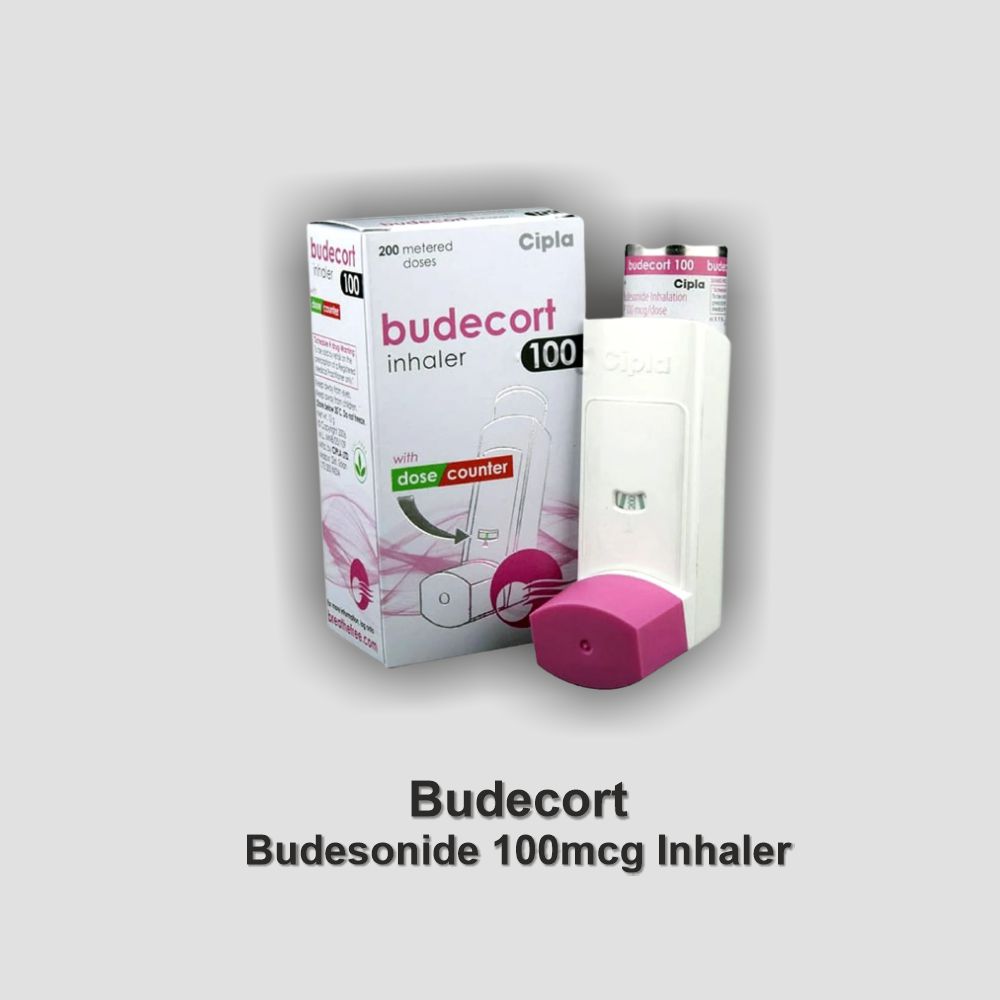
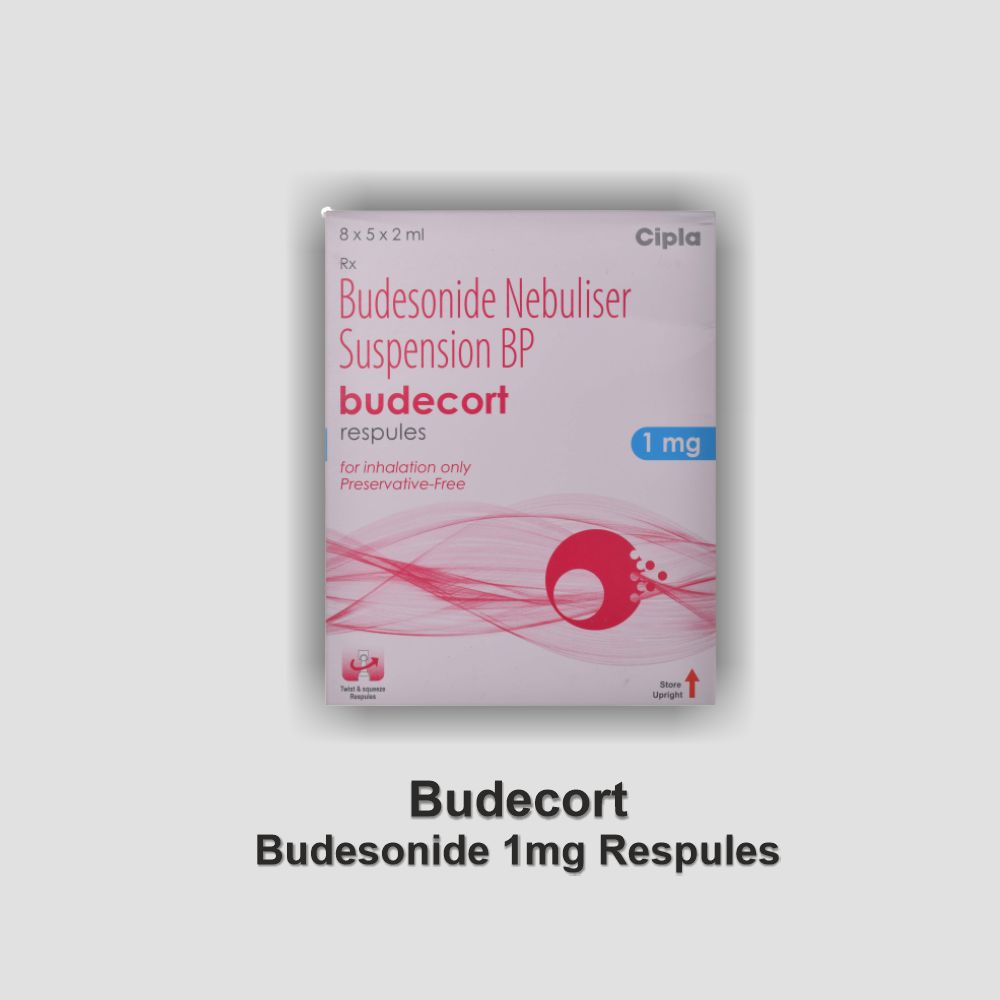
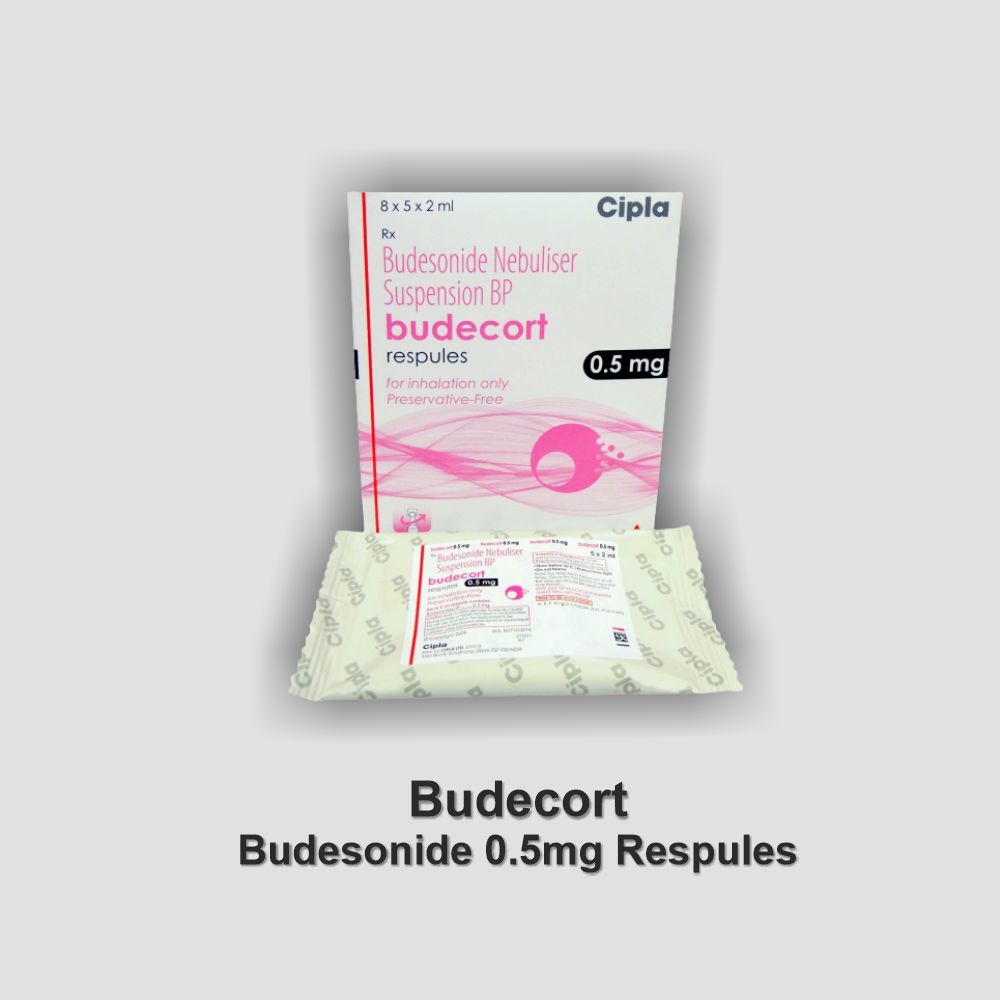
When natural interventions prove insufficient, pharmaceutical options become appropriate. Severe coughing that disrupts sleep for multiple consecutive nights, produces blood, or accompanies high fever warrants medical evaluation regardless of pregnancy status. For those requiring prescription intervention, budesonide inhaler options provide anti-inflammatory relief with a favorable pregnancy safety profile.
Key Takeaways: Your Pregnancy Cough Medication Decision Framework
Synthesizing the evidence into actionable guidance creates confidence during an uncertain time. The following principles should guide every medication decision during pregnancy.
- First trimester caution flags: Minimize all pharmaceutical exposure during weeks 4-13 when organogenesis is most active.
- Single-ingredient preference: Avoid combination products that multiply exposure without proportionate benefit.
- Dextromethorphan for dry coughs: Appropriate for second/third trimester use at recommended dosages.
- Guaifenesin for productive coughs: Thins mucus effectively with minimal documented risk in later trimesters.
- Honey as first-line therapy: Natural alternative with demonstrated efficacy for mild to moderate symptoms.
- Duration limits matter: Self-medication beyond seven days requires professional evaluation.
- International sourcing ensures quality: Verified suppliers provide formulation consistency missing from unregulated markets.
- Read every label every time: Formulation changes occur without warning; verify ingredients before purchase.
Access to reliable medication sources eliminates one variable from an already complex decision tree. Should circumstances change after ordering, cancellation policy details provide clarity on options before dispensing.
Frequently Asked Questions About Pregnancy-Safe Cough Medication
Is dextromethorphan safe during the first trimester of pregnancy?
Use with caution. While large-scale data suggests general safety, the 2021 University of Iowa study identified a small increased association with neural tube defects during early pregnancy exposure. First trimester use should be reserved for severe symptoms when non-pharmaceutical alternatives have failed. The absolute risk increase remains less than 0.1% above baseline, but minimizing exposure during organogenesis aligns with precautionary principles.
Can I take guaifenesin while pregnant?
Generally yes, with timing considerations. Second and third trimester guaifenesin use shows no consistent pattern of adverse outcomes in epidemiological studies. The expectorant mechanism does not involve central nervous system activity, suggesting lower theoretical risk than suppressant alternatives. Standard adult dosing (200-400mg every four hours, maximum 2400mg daily) applies for pregnant individuals with healthcare provider approval.
What cough medications should be completely avoided during pregnancy?
Several compounds warrant complete avoidance. Codeine and other opioid suppressants carry risks of neonatal respiratory depression and withdrawal when used in late pregnancy. Iodinated glycerol affects fetal thyroid function. Any product containing alcohol as an excipient is inappropriate. Decongestants like pseudoephedrine and phenylephrine should be avoided in the first trimester due to vasoconstriction-related risks.
Is honey safe for pregnant women with coughs?
Yes, honey is safe during pregnancy. Pasteurized honey provides effective demulcent action that coats irritated throat tissue and suppresses cough reflexes naturally. Studies demonstrate efficacy comparable to dextromethorphan for symptom relief. Unlike pharmaceutical alternatives, honey carries no teratogenic risk and is appropriate for all trimesters. Avoid raw, unpasteurized varieties due to rare contamination concerns.
Do I need a prescription for pregnancy-safe cough medication?
Most first-line options remain OTC. Dextromethorphan and guaifenesin products are available without prescription in standard dosages. However, severe or persistent symptoms may warrant prescription alternatives. International pharmacy services can provide access to formulation options not locally available. Review terms and conditions for ordering requirements that may apply to specific products.
Can breastfeeding mothers take cough medication?
Yes, with appropriate timing. Dextromethorphan and guaifenesin both transfer into breastmilk in small quantities, typically insufficient to affect nursing infants. Taking medication immediately after breastfeeding maximizes elimination before the next feeding session. Monitor infants for unusual drowsiness or feeding changes. If concerns arise, pump and discard milk for 4-6 hours post-dose.
How long can I take cough medicine while pregnant?
Limit use to 7 days maximum. Persistent coughing beyond one week warrants medical evaluation rather than continued self-medication. Chronic coughing may indicate underlying conditions requiring different treatment approaches postnasal drip, gastroesophageal reflux, asthma exacerbation, or respiratory infection all require specific interventions beyond suppressant therapy.