

Asthma medication names fall into four primary categories: short-acting bronchodilators (relievers), inhaled corticosteroids (controllers), combination therapies, and biologics for severe cases. Understanding these classifications helps patients and caregivers identify the right treatment approach whether you need immediate symptom relief with albuterol or long-term control with budesonide. This guide decodes generic-brand pairs, dosage forms, and therapeutic purposes so you can navigate prescriptions with confidence and access quality medications through trusted international pharmacies like myRxBox.
Quick Answer: Four Core Asthma Medication Categories You Need to Know
Asthma medications divide into two functional roles: controllers that prevent symptoms and relievers that treat them. Controllers typically inhaled corticosteroids reduce airway inflammation when taken daily. Relievers, or rescue inhalers, use short-acting bronchodilators to open tightened airways within minutes. The real shift happening now involves combination inhalers that deliver both functions in one device, simplifying adherence and improving outcomes.
According to Nice Org, more than a million people in England now use combination inhalers that both prevent and relieve asthma symptoms, surpassing those still relying on the traditional blue reliever inhaler alone. This marks a significant evolution in how modern asthma management is delivered.
| Category | Purpose | Common Names | Typical Forms |
|---|---|---|---|
| Relievers (SABAs) | Immediate symptom relief | Albuterol, Levalbuterol, Terbutaline | Metered-dose inhaler, Nebulizer solution |
| Controllers (ICS) | Long-term inflammation control | Budesonide, Fluticasone, Beclomethasone | Inhaler, Respules, Dry powder inhaler |
| Combination (ICS/LABA) | Dual prevention and symptom control | Breztri, Symbicort, Advair, Dulera | Aerosol inhaler, Dry powder inhaler |
| Biologics | Targeted therapy for severe asthma | Omalizumab, Mepolizumab, Dupilumab | Subcutaneous injection, IV infusion |
Controller Medications: The Foundation of Long-Term Asthma Management
Controller medications form the backbone of persistent asthma treatment. These inhaled corticosteroids work by suppressing airway inflammation rather than opening airways directly. Patients often mistake them for rescue medications, but controllers require consistent daily use even when symptoms are absent. Skipping doses allows inflammation to return, increasing the risk of severe attacks.
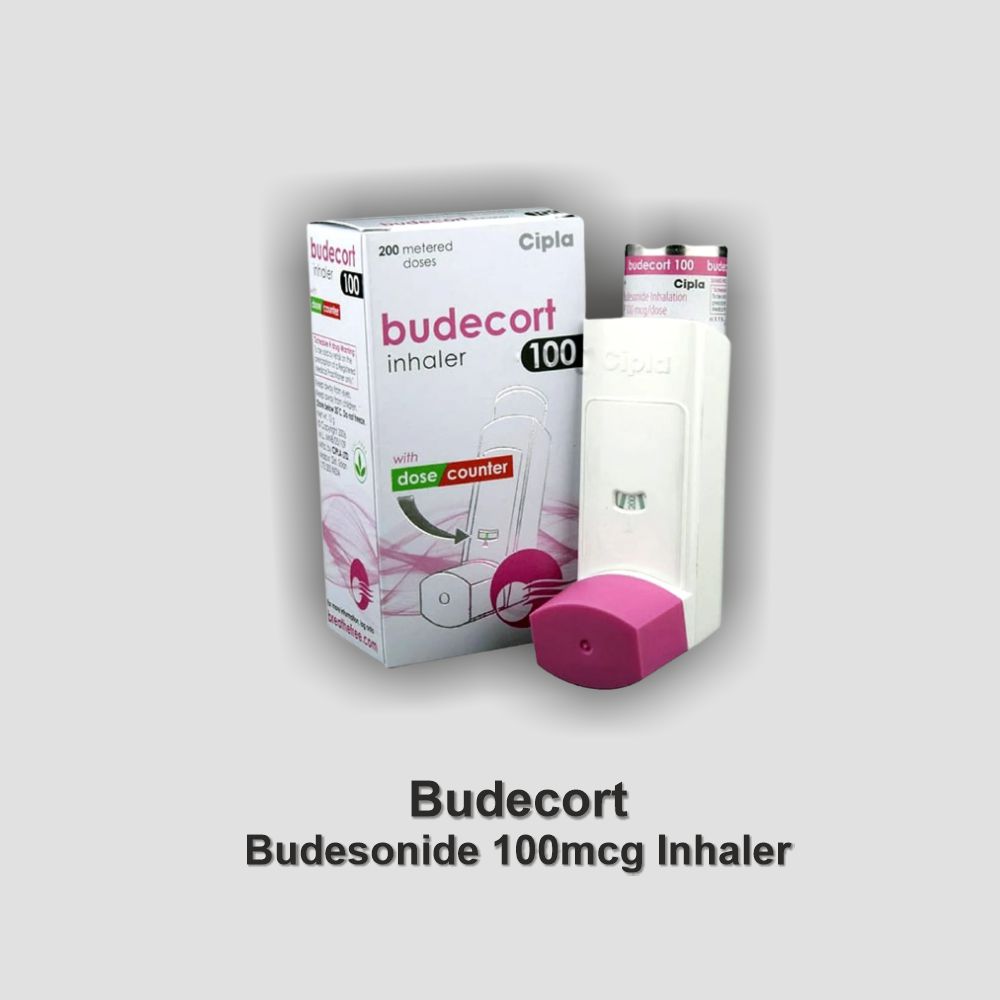
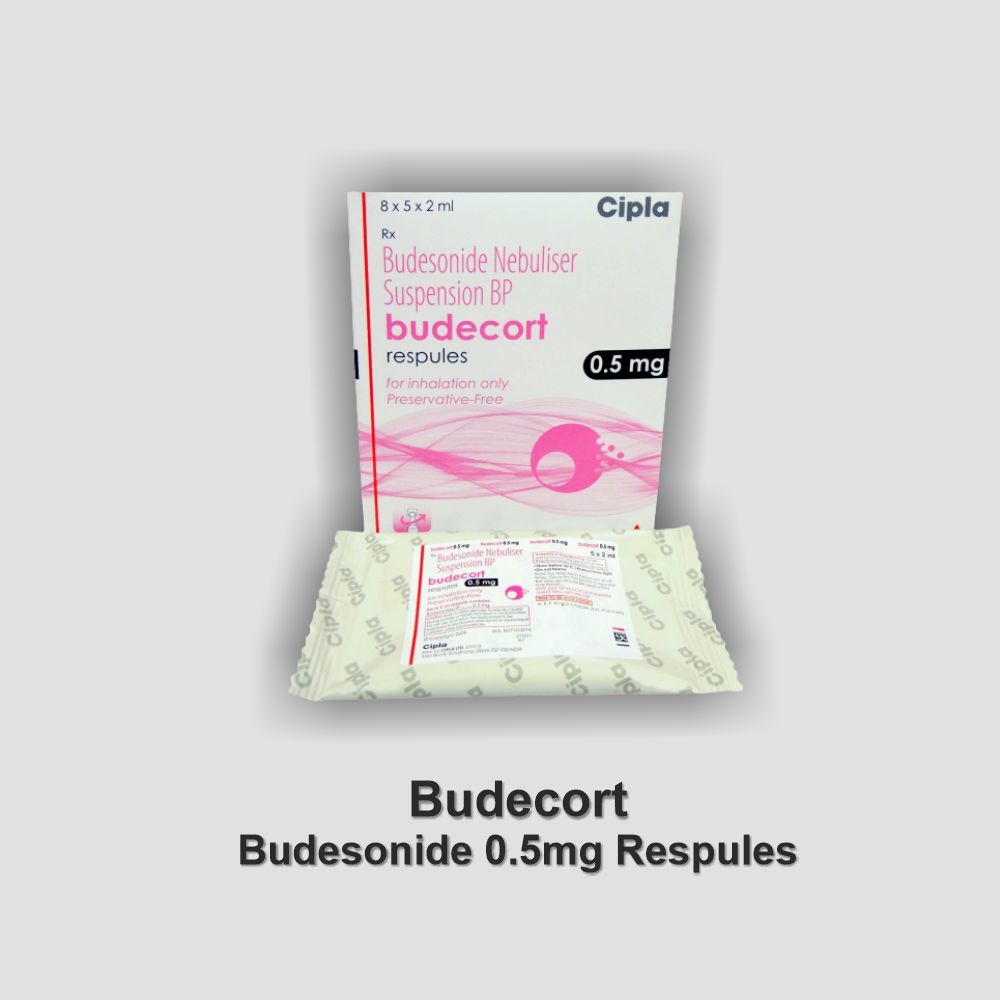
Budesonide stands as one of the most widely prescribed controller agents globally. Marketed under brand names like Budecort, it comes in multiple formulations tailored to patient age and severity. For pediatric cases and acute exacerbations, Budecort 0.5mg Respules delivered via nebulizer offer precise dosing without the coordination required for inhalers. Adults often transition to dry powder or metered-dose inhalers for convenience and portability.
- Budesonide – Budecort, Pulmicort (preventer)
- Fluticasone propionate – Flovent, Flixotide (preventer)
- Beclomethasone dipropionate – Qvar, Beclovent (preventer)
- Mometasone furoate – Asmanex (preventer)
- Ciclesonide – Alvesco (preventer)
- Flunisolide – Aerospan (preventer)
Budesonide Formulations: Respules vs. Inhalers for Different Patient Needs
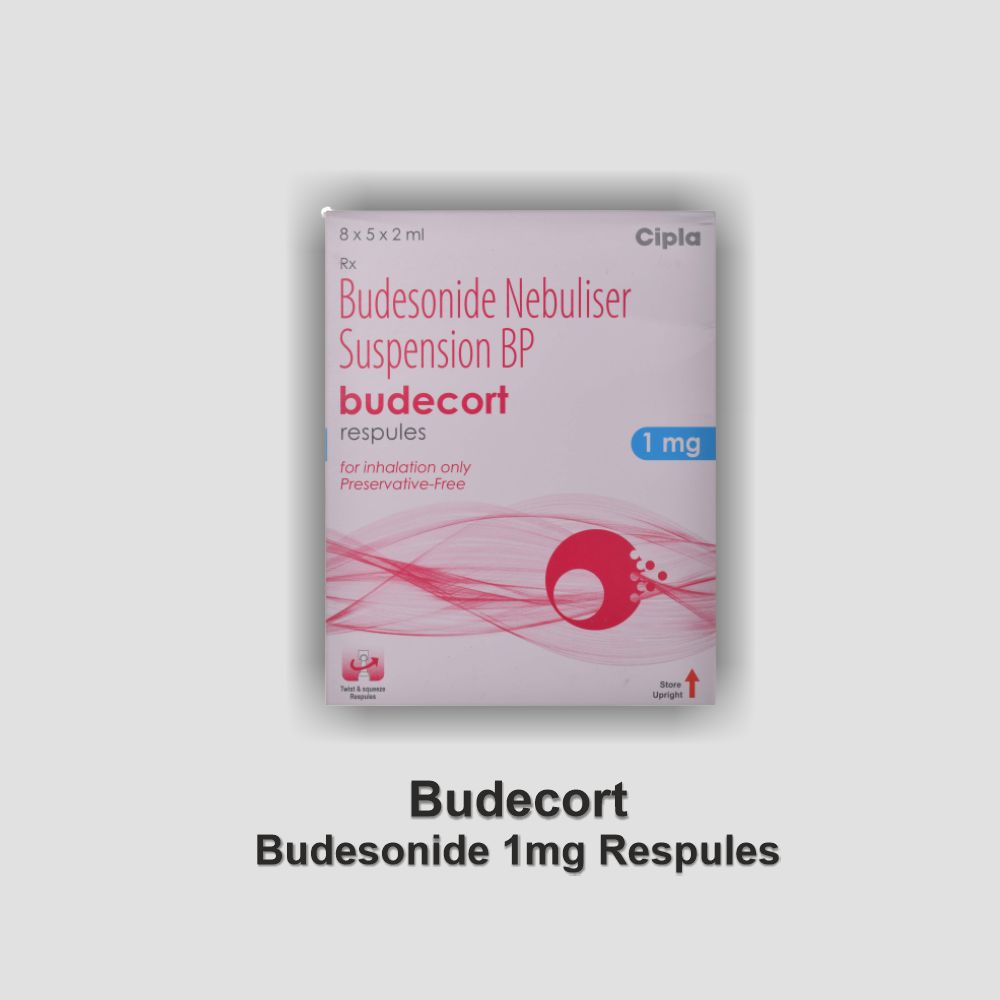
Budesonide formulations vary significantly in delivery mechanism. Respules small liquid ampules designed for nebulizer use allow medication delivery as a fine mist. This route suits young children who cannot coordinate inhaler technique, elderly patients with limited hand strength, and anyone experiencing acute symptom flares where deep inhalation proves difficult. The 0.5mg strength serves pediatrics and mild cases, while Budecort 1mg Respules address moderate-to-severe persistent asthma requiring higher anti-inflammatory dosing.
Inhalers whether metered-dose or dry powder deliver the same active compound but require patient technique. Users must coordinate actuation with inhalation, hold their breath for 10 seconds, and sometimes use spacers to reduce oral deposition. Inhalers win on portability and speed, making them ideal for working adults and older children who manage their own medication schedules.
Reliever Medications: Fast-Acting Bronchodilators for Acute Symptoms
Short-acting beta-agonists, or SABAs, provide rapid relief when airways constrict. These medications bind to beta-2 receptors in bronchial smooth muscle, triggering relaxation within minutes. Albuterol also called salbutamol internationally remains the most recognized reliever worldwide. Patients carry rescue inhalers everywhere, using them before exercise, during allergen exposure, or when wheezing strikes unexpectedly.
What many patients don’t realize: relying on rescue inhalers more than twice weekly signals poor asthma control. If you’re reaching for albuterol that often, your controller regimen needs adjustment. Unchecked inflammation drives symptoms, and masking them with bronchodilators alone risks airway remodeling and permanent lung function decline. For patients managing persistent symptoms, adding a controller like Budecort Inhaler 100mcg to daily routines often reduces rescue use dramatically.
- Albuterol (Salbutamol) – Ventolin, ProAir – Onset: 5-15 minutes
- Levalbuterol – Xopenex – Onset: 10-17 minutes
- Terbutaline – Bricanyl – Onset: 15 minutes
- Pirbuterol – Maxair – Onset: 5-15 minutes
- Metaproterenol – Alupent – Onset: 10-30 minutes
Emergency protocols matter. If a rescue inhaler fails to improve symptoms within 15-20 minutes, or if symptoms return within four hours, seek immediate medical attention. Reliever overuse without controller therapy masks deteriorating lung function until crisis hits.
Combination Therapies: Why Dual-Action Inhalers Are Replacing Single-Drug Approaches
Modern asthma management increasingly favors combination inhalers that pair inhaled corticosteroids with long-acting beta-agonists. The ICS component controls inflammation, while the LABA provides sustained bronchodilation lasting 12 hours or longer. Patients take these twice daily, experiencing fewer symptoms, fewer night awakenings, and fewer exacerbations overall. According to Astrazeneca, Breztri Aerosphere a triple-combination therapy containing budesonide, glycopyrrolate, and formoterol fumarate received FDA approval and represents the evolution toward multi-component COPD and asthma treatments.
Triple therapy options now combine ICS, LABA, and long-acting muscarinic antagonists (LAMA) for patients with severe disease or overlapping COPD features. The 2026 treatment landscape shows growing adoption of these comprehensive formulations, particularly for moderate-to-severe persistent asthma uncontrolled on dual therapy.
| Combination Inhaler | Components | FDA Approval |
|---|---|---|
| Breztri Aerosphere | Budesonide/Glycopyrrolate/Formoterol | 2020 (COPD), expanding use |
| Symbicort | Budesonide/Formoterol | 2006 |
| Advair Diskus | Fluticasone/Salmeterol | 2000 |
| Dulera | Mometasone/Formoterol | 2010 |
| Breo Ellipta | Fluticasone/Vilanterol | 2013 |
Biologic Medications: Targeted Therapy for Severe Uncontrolled Asthma
For patients whose asthma remains uncontrolled despite high-dose inhaled corticosteroids and combination therapy, biologic medications offer a different approach. These monoclonal antibodies target specific inflammatory pathways immunoglobulin E, interleukin-5, interleukin-4, and other cytokines driving eosinophilic or allergic inflammation. Biologics have transformed severe asthma outcomes, reducing exacerbation rates by half in many patient subgroups.
According to Uspharmacist, a July 2026 study analyzing 2,793 U.S. adults with severe asthma participating in the ongoing CHRONICLE study found that 66% were receiving biologic therapy. This adoption rate reflects growing prescriber comfort with these advanced treatments and improved insurance coverage pathways. Patients interested in biologic candidacy can compare medication pricing across suppliers to understand cost considerations before discussing options with their pulmonologist.
- Omalizumab (Xolair) – Targets IgE – Allergic asthma
- Mepolizumab (Nucala) – Targets IL-5 – Eosinophilic asthma
- Benralizumab (Fasenra) – Targets IL-5 receptor – Eosinophilic asthma
- Dupilumab (Dupixent) – Targets IL-4/IL-13 – Type 2 inflammation
- Reslizumab (Cinqair) – Targets IL-5 – Eosinophilic asthma
- Tezepelumab (Tezspire) – Targets TSLP – Broad severe asthma
Administration routes vary. Omalizumab, mepolizumab, dupilumab, and benralizumab use subcutaneous injection some patients self-administer at home after training. Reslizumab requires intravenous infusion in clinical settings every four weeks. Prescribers select biologics based on biomarker profiles: blood eosinophil counts, FeNO levels, and allergic sensitization status guide matching.
How to Decode Generic vs. Brand Names on Your Asthma Prescription
Prescription labels confuse patients when they list unfamiliar names. The key insight: every medication has a generic name (scientific, non-proprietary) and often multiple brand names owned by different manufacturers. Budesonide is the generic a chemical entity with proven therapeutic action. Budecort is Cipla’s brand name for their budesonide formulation. Pulmicort represents AstraZeneca’s brand for the same compound. Identical active ingredient, different packaging, different price points.
P Internationally, albuterol goes by the name salbutamol a common source of confusion for travelers filling prescriptions abroad. When you use our medicine name decoder tool, you can cross-reference regional naming differences that might otherwise cause alarm at the pharmacy counter.
Reading Prescription Labels: Dosage, Frequency, and Administration Routes
Understanding dosing units prevents dangerous errors. Inhaled medications use micrograms (mcg or μg) one-thousandth of a milligram. A Budecort Inhaler at 100mcg delivers 0.1mg per actuation. Nebulizer respules use milligrams Budecort 0.5mg Respules contain half a milligram per ampule. Confusing these scales leads to massive underdosing or overdosing, particularly when switching between inhaler and nebulizer formats.
Frequency abbreviations appear universally on prescriptions: BID (bis in die) means twice daily, TID (ter in die) means three times daily, and PRN (pro re nata) means as needed. Controller medications carry BID instructions morning and evening. Reliever inhalers bear PRN designations use when symptoms arise, not on a schedule. Our complete prescription label reading guide decodes every abbreviation you’ll encounter.
Accessing Affordable Asthma Medications Through International Online Pharmacies
Cost barriers prevent many patients from maintaining controller therapy. Brand-name inhalers in the United States regularly exceed $300 per unit, forcing impossible choices between medication and other essentials. International online pharmacies like myRxBox bridge this gap by sourcing from trusted manufacturers worldwide. Cipla Ltd India’s largest pharmaceutical company produces Budecort products to rigorous quality standards at prices accessible to patients globally.
myRxBox offers secure ordering, competitive pricing, and worldwide delivery for both prescription and non-prescription asthma medications. Each order ships with original manufacturer packaging and clear dosing instructions. Before purchasing, patients should review the essential safety checklist before purchasing medicine online verifying pharmacy credentials, confirming medication authenticity, and understanding import regulations for their country.
Key Takeaways: Matching Medication Names to Your Asthma Management Plan
- Controllers prevent symptoms; relievers treat them. Both medication types belong in comprehensive asthma management for moderate-to-severe disease.
- Combination inhalers now outpace traditional blue relievers. Over one million patients in England have transitioned to dual-action devices for better adherence and outcomes.
- Budesonide leads controller therapy globally. Available as inhalers, respules, and combination products to suit every patient profile.
- Biologics reach 66% adoption in severe asthma cohorts. Targeted monoclonal antibodies transform outcomes for patients uncontrolled on inhaled therapy.
- Generic names reveal active ingredients; brand names vary by manufacturer. Identify your medication by chemical name to compare options confidently.
FAQ: Common Questions About Asthma Medication Names
Are inhaled corticosteroids safe for long-term daily use?
Yes inhaled corticosteroids remain the gold standard for persistent asthma control. Systemic absorption is minimal compared to oral steroids, and long-term studies show no significant growth suppression in children at appropriate doses. Most side effects thrush, hoarseness are local and preventable with spacer use and mouth rinsing after each dose.
Can I use a combination inhaler instead of separate controller and reliever medications?
Yes for maintenance combination ICS/LABA inhalers replace separate controller medications. However, you still need a separate rescue inhaler for acute symptoms unless prescribed a MART (Maintenance and Reliever Therapy) regimen. MART-approved combination inhalers allow both daily prevention and symptom relief using a single device under specific physician protocols.
How do I know if I qualify for biologic asthma therapy?
Qualification requires documented severe uncontrolled asthma despite optimized inhaled therapy. Biomarkers blood eosinophils ≥150 cells/μL, FeNO ≥20 ppb, or allergic sensitization identify responders. Pulmonologists evaluate exacerbation history, oral steroid bursts, and lung function decline before approving biologic candidates for insurance authorization.
Are generic budesonide inhalers as effective as brand-name Pulmicort?
Yes generic budesonide contains identical active ingredient and dosage. Regulatory agencies require bioequivalence testing showing the same pharmacokinetic profile. Budecort from Cipla delivers therapeutically equivalent budesonide to Pulmicort, manufactured under WHO-GMP standards and widely used across international markets.
What’s the difference between a 0.5mg respule and a 100mcg inhaler dose?
Different units mean different delivered amounts 0.5mg equals 500mcg total per respule. However, only 10-20% reaches the lungs from either delivery system. Respules suit patients needing nebulized delivery a higher total dose compensates for deposition efficiency. Inhalers deliver precisely measured actuations with consistent lung deposition for coordinated users.
Can I order asthma medications online without a prescription?
Requirements vary by country and medication type. Some non-prescription bronchodilators are available, but controller medications and combination therapies require valid prescriptions. International pharmacies like myRxBox verify prescriptions for regulated medications while offering competitive pricing and global shipping for legitimate patient needs.