Gout affects 9.2 million U.S. adults, yet treatment gaps persist. This comprehensive gout medications list categorizes acute flare remedies, urate-lowering therapies, and prophylactic options based on 2026 clinical data. From NSAIDs like naproxen to xanthine oxidase inhibitors such as allopurinol, you’ll find detailed mechanisms, dosing protocols, and cost comparisons to help manage hyperuricemia effectively and prevent recurrent attacks through evidence-based pharmaceutical interventions.
Quick Answer: What Medications Treat Gout in 2026?
Treatment for gout falls into three distinct pharmaceutical categories, each serving a specific purpose in managing this painful form of inflammatory arthritis. Understanding which medication class addresses your symptoms helps you work more effectively with your healthcare provider.
According to Arthritis, gout affects approximately 9.2 million adults in the United States, yet only about one-third of patients receive appropriate treatment. This gap highlights the need for better education about available options.
- Acute Attack Medications: NSAIDs, colchicine, and corticosteroids that reduce inflammation and pain during active flares.
- Prophylactic Agents: Low-dose colchicine or NSAIDs taken during initial urate-lowering therapy to prevent mobilization flares.
- Urate-Lowering Therapy: Allopurinol, febuxostat, probenecid, and pegloticase that reduce serum uric acid levels to prevent future attacks.
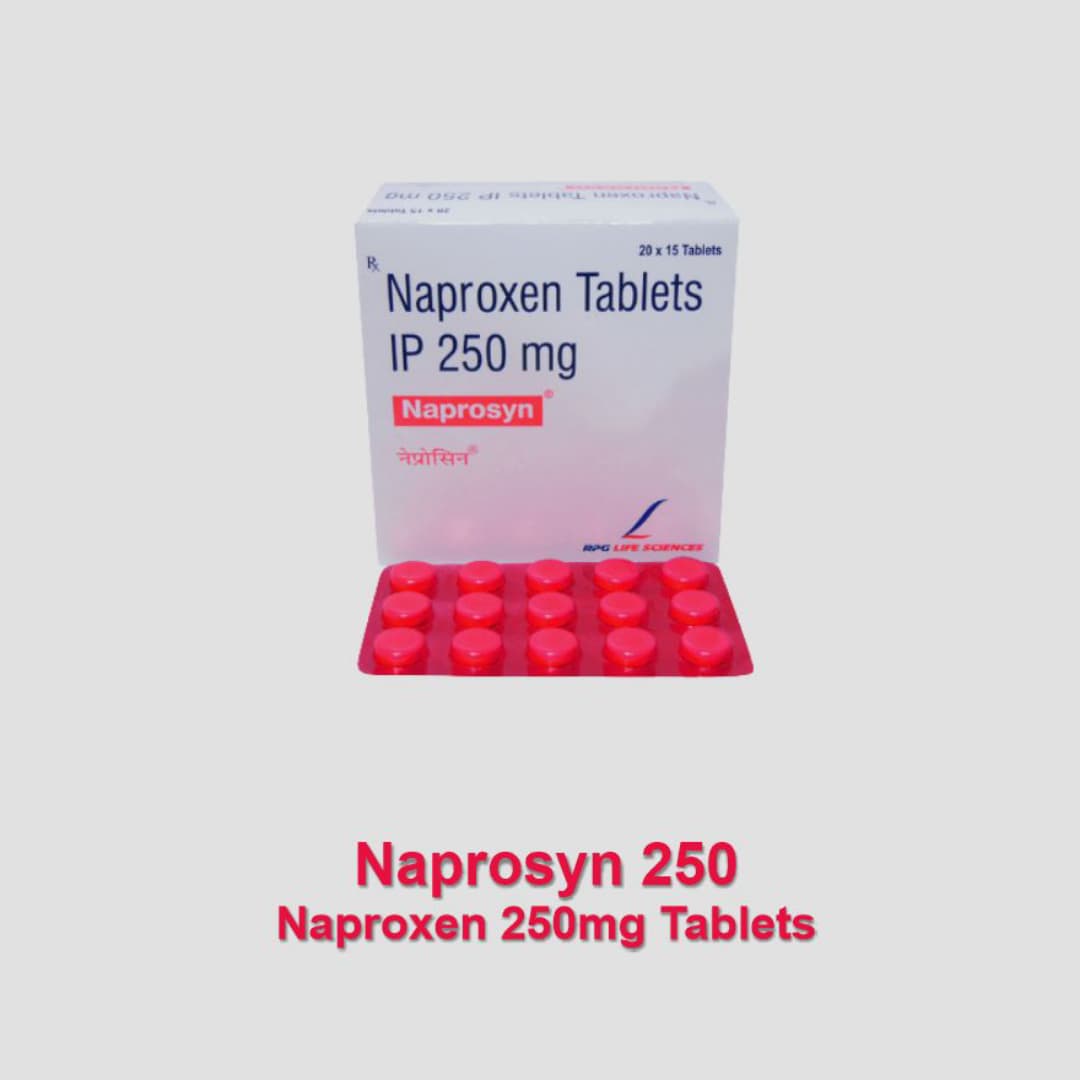
For immediate symptom relief, medications like naproxen 250mg for acute inflammation provide accessible options for managing sudden gout episodes when paired with proper medical guidance.
NSAIDs: First-Line Defense Against Acute Gout Flares
Nonsteroidal anti-inflammatory drugs remain the most commonly prescribed first-line treatment for acute gout attacks. These medications work by inhibiting cyclooxygenase enzymes, which reduces prostaglandin synthesis and subsequently decreases inflammation, pain, and fever associated with gout flares.
Naproxen stands out among NSAIDs for gout treatment due to its longer half-life, allowing for twice-daily dosing rather than the more frequent administration required by shorter-acting alternatives. Typical dosing ranges from 750mg initially, followed by 250mg every eight hours until symptoms resolve. The anti-inflammatory effect typically begins within 24 to 48 hours of starting treatment.
Indomethacin has historically been the NSAID of choice for gout, though its gastrointestinal side effect profile makes it less favorable for older adults or those with digestive concerns. Standard dosing starts at 50mg three times daily, tapering as symptoms improve.
| Medication | Initial Dose | Maintenance Dose | Cost Per Pill |
|---|---|---|---|
| Naproxen 250mg | 750mg (3 tablets) | 250mg every 8 hours | $0.77 |
| Naproxen 500mg | 1000mg (2 tablets) | 500mg every 12 hours | $1.20 |
| Indomethacin 25mg | 50mg (2 capsules) | 25mg every 6 hours | $0.95 |
| Ibuprofen 400mg | 800mg (2 tablets) | 400mg every 6 hours | $0.45 |
Patients should take NSAIDs with food to minimize gastrointestinal irritation and use the lowest effective dose for the shortest duration necessary. Those with kidney disease, heart failure, or a history of peptic ulcers require careful evaluation before starting NSAID therapy.
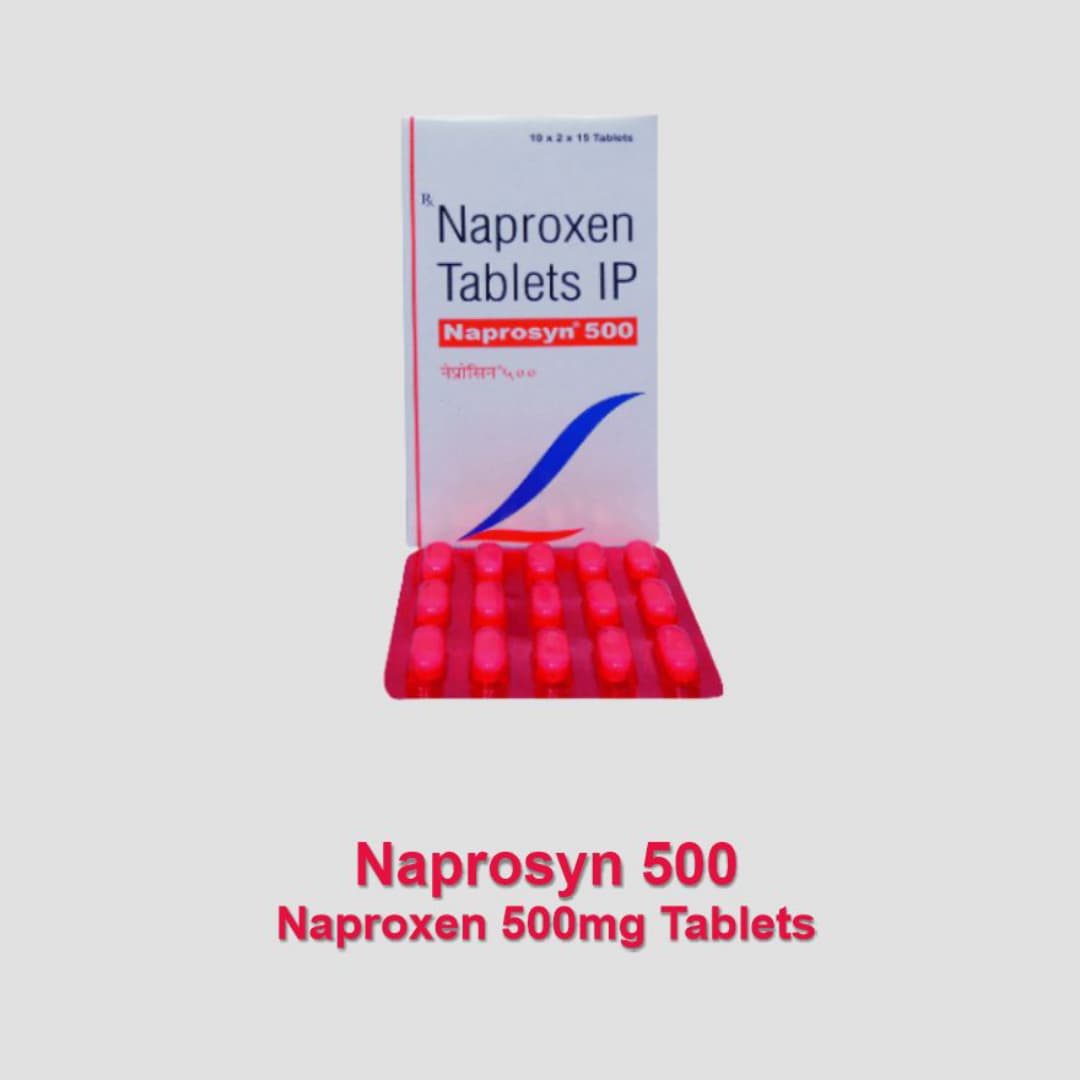
For those managing frequent flares, naproxen 500mg tablets offer a higher-strength option that reduces pill burden while maintaining effective anti-inflammatory coverage throughout the day.
Colchicine: Targeted Anti-Inflammatory for Gout Attacks
Colchicine offers a mechanism distinct from NSAIDs, specifically targeting the microtubule polymerization process in neutrophils. By binding to tubulin and preventing microtubule assembly, colchicine inhibits neutrophil chemotaxis and phagocytosis, effectively stopping the inflammatory cascade that drives gout symptoms.
Modern low-dose regimens have largely replaced the older high-dose protocols that caused significant gastrointestinal toxicity. Current recommendations suggest 1.2mg at the first sign of a flare, followed by 0.6mg one hour later, then 0.6mg daily or twice daily for prevention. This approach maintains efficacy while dramatically reducing adverse effects.
According to research from Nih, low-dose colchicine regimens demonstrate comparable efficacy to high-dose protocols in managing acute gout flares while significantly reducing gastrointestinal side effects. This evidence has reshaped 2026 treatment guidelines.
- Initial Loading: 1.2mg at first symptom onset, followed by 0.6mg after one hour for acute attacks.
- Maintenance Dosing: 0.6mg once or twice daily for flare prophylaxis during urate-lowering therapy initiation.
- Renal Adjustment: Reduce dose by 50% for patients with creatinine clearance below 30 mL/min.
- Contraindications: Severe renal impairment, concurrent CYP3A4 or P-gp inhibitors requiring dose reduction, hepatic dysfunction.
Colchicine requires careful attention to drug interactions. Strong CYP3A4 inhibitors like clarithromycin and P-glycoprotein inhibitors can increase colchicine levels significantly, potentially leading to serious toxicity. Patients should always complete essential safety checks before ordering online to review their current medications with a pharmacist or physician.
Urate-Lowering Therapy: Allopurinol and Febuxostat Compared
Urate-lowering therapy forms the cornerstone of long-term gout management for patients with recurrent attacks, tophi, or persistent hyperuricemia. The goal is straightforward: reduce serum uric acid below 6 mg/dL to dissolve existing crystals and prevent new crystal formation.
Allopurinol, a xanthine oxidase inhibitor introduced in the 1960s, remains the most commonly prescribed urate-lowering medication. It works by blocking the enzyme that converts hypoxanthine to xanthine and xanthine to uric acid, effectively reducing uric acid production. Most patients achieve target levels with doses between 200mg and 300mg daily, though some require higher amounts.
Febuxostat, a newer xanthine oxidase inhibitor, offers more potent urate-lowering effects at standard doses. Available in 40mg and 80mg strengths, febuxostat achieves target uric acid levels more quickly than allopurinol in many patients. However, cardiovascular safety concerns have led to more cautious prescribing, particularly for those with established heart disease.
| Parameter | Allopurinol | Febuxostat |
|---|---|---|
| Mechanism | Xanthine oxidase inhibitor | Xanthine oxidase inhibitor |
| Starting Dose | 100mg daily | 40mg daily |
| Target Dose | 300mg daily (adjust to SUA) | 80mg daily (adjust to SUA) |
| Time to Target | 4-6 weeks | 2-4 weeks |
| Renal Dosing | Adjust for creatinine clearance | No adjustment needed |
| Monthly Cost | $15-45 (generic) | $180-300 (brand) |
Initiation of urate-lowering therapy often triggers mobilization flares as embedded crystals begin dissolving. Prophylactic colchicine or NSAIDs for three to six months helps patients adhere to treatment during this challenging period. Titrate doses gradually while monitoring serum uric acid every two to five weeks until reaching target levels.

Comparing medication costs through a comprehensive medicine price index helps patients budget for long-term therapy, particularly when insurance coverage limits options.
How to Select the Right Gout Medication for Your Condition
Choosing the appropriate gout medication requires understanding several factors unique to each patient. Acute management differs fundamentally from chronic prevention, and individual health characteristics influence which options remain safe and effective.
Renal function stands as perhaps the most critical consideration. Many gout medications require dose adjustments when kidney function declines, and some become contraindicated entirely. Patients with chronic kidney disease need alternatives to high-dose NSAIDs and adjusted colchicine dosing.
- Acute vs Chronic: Determine if treating an active flare or preventing future attacks; acute therapy addresses inflammation while chronic therapy lowers uric acid.
- Renal Function: Check creatinine clearance; adjust colchicine and allopurinol doses, avoid high-dose NSAIDs in significant impairment.
- Cardiovascular History: Evaluate heart failure, stroke, or coronary disease; febuxostat carries a boxed warning for cardiovascular mortality.
- Gastrointestinal Risk: Assess peptic ulcer disease, GERD, or bleeding history; prefer colchicine over NSAIDs when risk is elevated.
- Frequency of Flares: More than two attacks yearly, tophi, or urolithiasis generally indicates need for urate-lowering therapy.
Patients managing multiple conditions benefit from a integrated approach. For those with metabolic syndrome or diabetes, the relationship between gout and these conditions warrants consideration. Review all current medications with your physician and use secure checkout for prescription orders to ensure accurate dispensing of the prescribed regimen.
Corticosteroids and Biologics: Alternative Gout Treatments
When first-line options fail or противопоказаны, corticosteroids and biologic agents provide alternative pathways for gout management. These treatments serve specific populations and clinical scenarios where standard therapies fall short.
Systemic corticosteroids like prednisone offer effective relief for patients unable to take NSAIDs or colchicine. Typical dosing starts at 20-40mg daily, tapered over 10-14 days. Intra-articular steroid injections provide targeted relief when one or two joints dominate the clinical picture, avoiding systemic side effects entirely.
Pegloticase represents the most potent urate-lowering option available. This recombinant uricase enzyme converts uric acid to allantoin, a more soluble compound easily excreted by the kidneys. Reserved for refractory gout that fails conventional urate-lowering therapy, pegloticase rapidly lowers serum uric acid within hours of infusion. However, high cost and infusion reactions limit its use to specialists.
Patients with multiple metabolic conditions often experience overlapping treatment considerations. Those exploring semaglutide for metabolic syndrome overlap should discuss potential interactions between gout medications and GLP-1 agonists with their healthcare team.
Cost Analysis: Affordable Gout Medication Options Through myRxBox
Medication costs frequently determine whether patients can maintain consistent treatment. Generic alternatives provide substantial savings over brand-name options, and international sourcing through verified pharmacies offers additional cost advantages without compromising quality.
myRxBox provides competitively priced options for essential gout medications. Generic naproxen 250mg starts from just $0.77 per pill, making acute flare treatment accessible. International pharmaceutical manufacturers maintain rigorous quality standards while offering prices significantly below U.S. retail averages.
| Medication | myRxBox Price | U.S. Retail Average | Savings |
|---|---|---|---|
| Naproxen 250mg | $0.77/pill | $2.50/pill | 69% |
| Colchicine 0.6mg | $1.10/pill | $5.00/pill | 78% |
| Allopurinol 300mg | $0.45/pill | $1.80/pill | 75% |
| Febuxostat 40mg | $2.50/pill | $8.00/pill | 69% |
Worldwide delivery ensures patients in locations with limited local pharmacy access can receive authentic medications. International customers benefit from competitive pricing on maintenance therapies they’ll use long-term. Always verify medication authenticity guidelines when ordering from any online pharmacy to ensure product quality and legitimate sourcing.
Key Takeaways: Building Your Gout Medication Strategy
Effective gout management requires understanding the interplay between acute symptom control and long-term prevention. Building a medication strategy means selecting the right tool for each phase of treatment while monitoring for safety and efficacy.
- Acute Medications First: NSAIDs, colchicine, and corticosteroids address active inflammation; choose based on kidney function and comorbidities.
- Urate-Lowering for Recurrence: Patients with frequent flares, tophi, or kidney stones benefit from allopurinol or febuxostat therapy.
- Prophylaxis During Initiation: Protect against mobilization flares with colchicine or NSAIDs for three to six months when starting urate-lowering therapy.
- Monitor Serum Urate: Target below 6 mg/dL, checking every two to five weeks during titration until stable.
- Cost Matters for Adherence: Generic medications and competitive pricing improve long-term treatment adherence.
- Worldwide Delivery Access: International pharmacy options expand medication access for underserved populations.
For patients ready to begin treatment, order Naprosyn 250mg with worldwide delivery provides a trusted pathway to obtaining quality medications from verified suppliers.
Frequently Asked Questions About Gout Medications
Can I take NSAIDs and colchicine together for a gout flare?
Yes, combination therapy is common practice. Some clinicians prescribe both medications for severe flares when monotherapy proves insufficient. The combination provides additive anti-inflammatory effects through different mechanisms, though gastrointestinal monitoring becomes essential.
How long does it take for allopurinol to prevent gout attacks?
Allopurinol requires three to six months of consistent therapy. Serum uric acid reaches target levels within four to six weeks for most patients, but crystal dissolution continues for months afterward. Prophylactic treatment during this period prevents mobilization flares.
Do I need to take gout medication forever?
Most patients with recurrent gout require long-term therapy. Individuals with tophi, frequent flares, or urolithiasis typically continue urate-lowering therapy indefinitely. Those with a single attack may manage with lifestyle changes alone after discussing risks and benefits with their physician.
What foods should I avoid while on gout medications?
Dietary purine restriction complements medication therapy. Limit organ meats, shellfish, red meat, and alcohol, particularly beer. These modifications reduce uric acid production and may allow lower medication doses. Dietary changes alone rarely achieve adequate uric acid control without medication.
Can I drink alcohol while taking colchicine?
Alcohol consumption during colchicine therapy is not recommended. Alcohol both increases uric acid production and impairs excretion, potentially worsening gout. The combination also increases gastrointestinal irritation and may amplify liver-related side effects from colchicine.
What should I do if I miss a dose of my gout medication?
Take the missed dose as soon as you remember. If it’s almost time for your next scheduled dose, skip the missed one and continue your regular schedule. Never double doses, as this increases side effect risk. Consistent daily timing helps maintain stable drug levels.