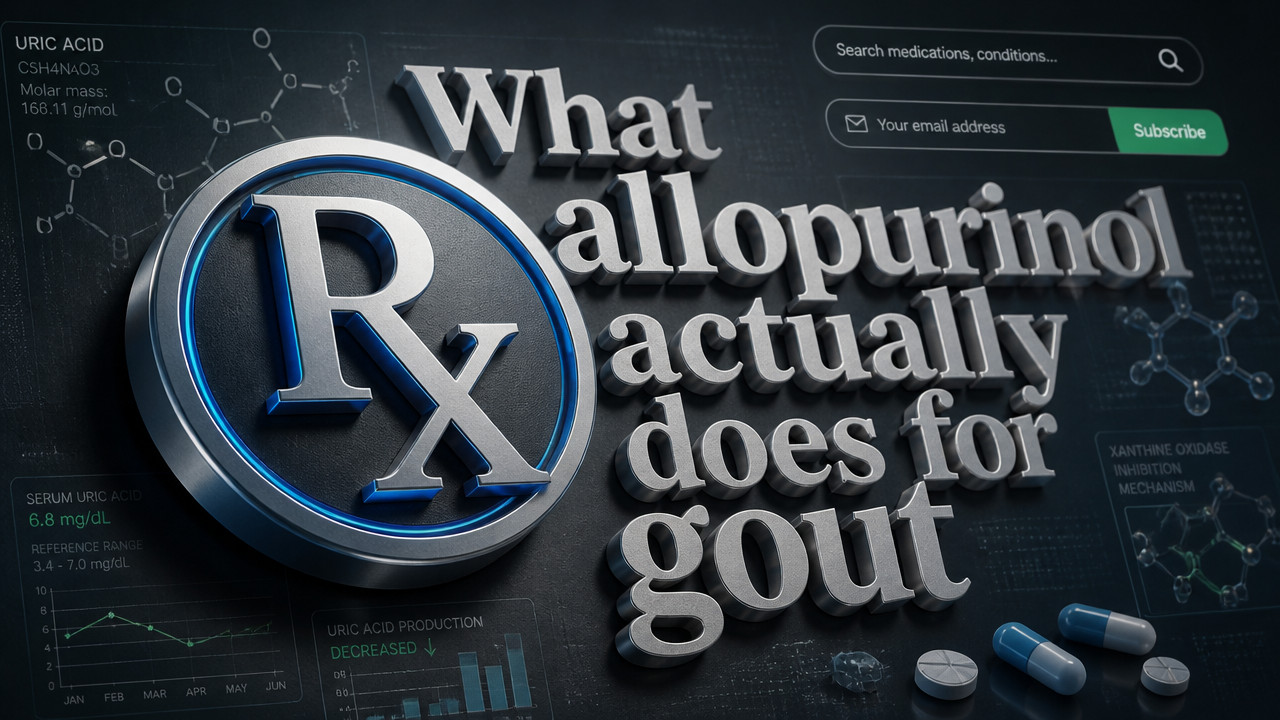
Allopurinol functions as the cornerstone xanthine oxidase inhibitor for chronic gout management, demonstrating 80-90% efficacy in lowering serum uric acid below therapeutic targets when properly titrated. As 2026 meta-analyses confirm sustained flare reduction exceeding 60% within six months, understanding optimal dosing protocols, comparative efficacy against emerging alternatives, and reliable international access channels becomes essential for patients pursuing long-term disease control and joint preservation.
Quick Answer: Why Allopurinol Dominates First-Line Gout Treatment
Allopurinol works by inhibiting xanthine oxidase, the enzyme responsible for converting purines into uric acid. This mechanism directly addresses the root cause of gout rather than merely treating symptoms. The medication reduces serum uric acid production at its source, making it the most reliable uric acid lowering therapy available for long-term disease modification.
According to Nih, recent meta-analysis data confirms that allopurinol demonstrates consistent efficacy in achieving target serum urate levels below 6 mg/dL when patients adhere to proper titration protocols. This evidence base spanning decades of clinical use solidifies its position as the primary prescription option for healthcare providers managing hyperuricemia.
Patients exploring prescription medication pricing will find allopurinol remains the most cost-effective option among urate-lowering therapies. Its generic availability worldwide makes it accessible across diverse healthcare systems, unlike newer branded alternatives that carry significantly higher price tags without demonstrating superior efficacy in head-to-head comparisons.
- Proven disease modification Reduces tophi size and prevents new crystal formation when maintained at therapeutic doses
- Renal safety profile Suitable for patients with mild-to-moderate kidney impairment when dosing adjusts appropriately
- Cardiovascular neutrality Does not increase cardiac risk unlike some newer alternatives in specific populations
- Decades of safety data Longest track record among xanthine oxidase inhibitors with well-characterized adverse effect profile
Allopurinol Dosing Protocols: Titration Strategy That Prevents Flares
The allopurinol dosage approach follows a “start-low-go-slow” philosophy that minimizes the paradoxical flares occurring when uric acid levels drop rapidly. Physicians typically initiate treatment at 100mg daily for most patients, though those with significant renal impairment may begin at 50mg. This conservative starting point allows the body to adjust gradually.
Gradual escalation occurs every 2-4 weeks, with dosage increases of 100mg increments until serum uric acid falls below the therapeutic target of 6 mg/dL. Most patients eventually stabilize between 300-400mg daily, though some refractory cases require doses up to 800mg. This individualized approach to gout flare prevention proves essential for maintaining treatment adherence.
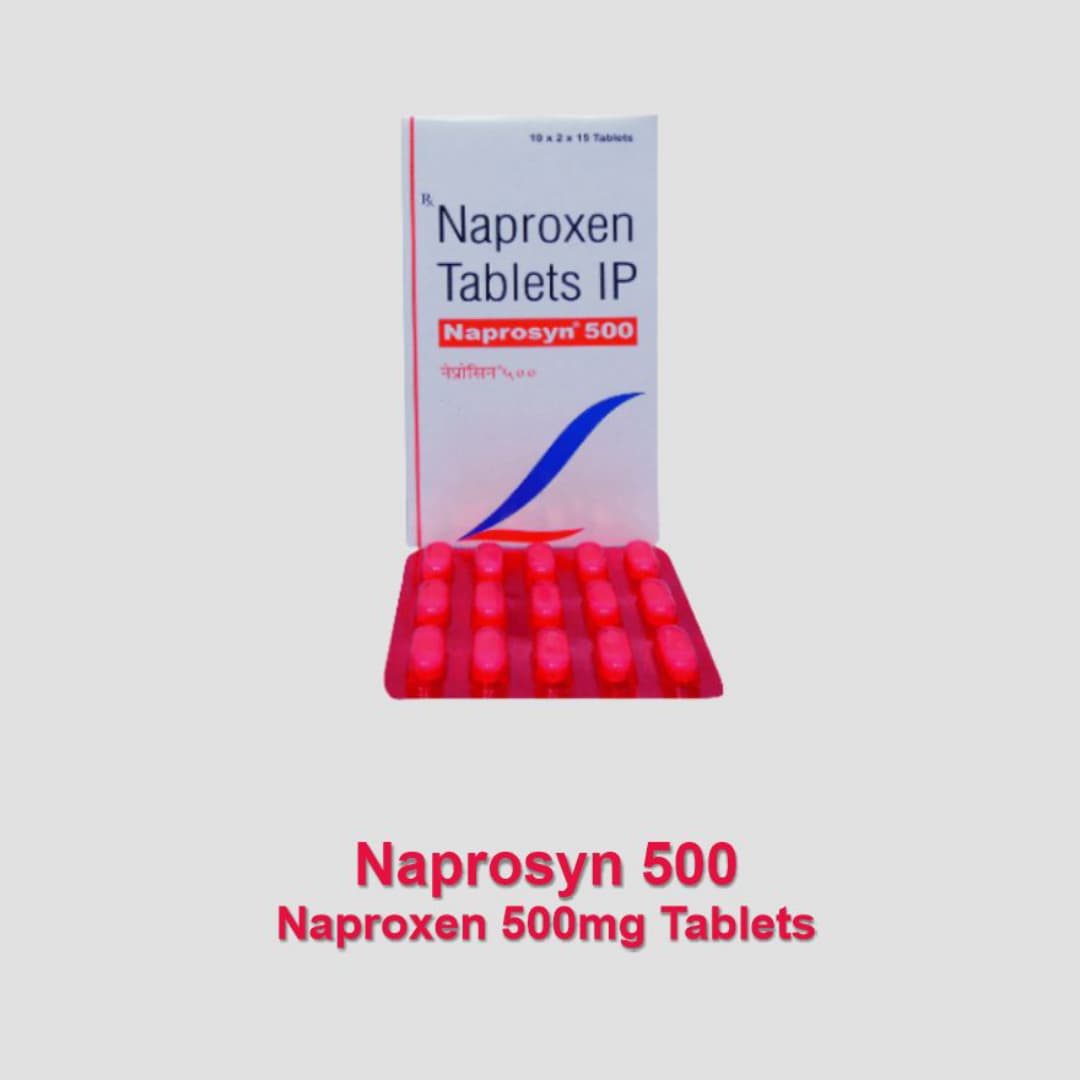
Concurrent prophylaxis remains mandatory during the initial months of therapy. Physicians commonly prescribe naproxen for flare prophylaxis alongside allopurinol initiation. This anti-inflammatory coverage continues for at least six months or until the patient maintains target uric acid levels without flare activity. Skipping prophylaxis dramatically increases discontinuation rates due to painful breakthrough attacks.
| Patient Profile | Starting Dose | Target Maintenance | Titration Interval |
|---|---|---|---|
| Normal renal function | 100mg daily | 300-600mg daily | Increase 100mg every 2-4 weeks |
| Mild renal impairment (eGFR 60-89) | 100mg daily | 200-400mg daily | Increase 100mg every 4 weeks |
| Moderate renal impairment (eGFR 30-59) | 50mg daily | 100-300mg daily | Increase 50mg every 4 weeks |
| Severe renal impairment (eGFR <30) | 50mg alternate days | 100-200mg daily | Cautious escalation with monitoring |
| Elderly patients (>65 years) | 50-100mg daily | 100-300mg daily | Slower titration, frequent monitoring |
How Allopurinol Compares Against Febuxostat in 2026 Studies
Febuxostat emerged as the primary alternative xanthine oxidase inhibitor, positioning itself as an option for patients who cannot tolerate allopurinol. However, hyperuricemia treatment decisions in 2026 require careful consideration of cardiovascular safety signals that have reshaped prescribing preferences. Head-to-head trials reveal nuanced trade-offs between these agents.
Patients reviewing medication cost comparisons quickly notice febuxostat costs substantially more than allopurinol. While febuxostat achieves target uric acid levels more rapidly at standard doses, this speed advantage comes with potential cardiac concerns. The FDA issued boxed warnings regarding cardiovascular mortality in patients with established heart disease taking febuxostat.
Allopurinol demonstrates cardiovascular safety advantages in multiple post-marketing surveillance studies. For patients without established cardiac disease, the choice between agents often depends on cost, tolerability, and achieving target uric acid levels. However, for those with cardiovascular history, allopurinol remains the preferred option across most clinical guidelines.
| Clinical Parameter | Allopurinol | Febuxostat |
|---|---|---|
| Target urate achievement (<6 mg/dL) | 80-90% at optimal dose | 85-95% at 80mg dose |
| Time to target levels | 4-8 weeks typical | 2-4 weeks typical |
| Cardiovascular safety | Neutral/safe in cardiac patients | Boxed warning for CV mortality |
| Renal dosing required | Yes, dose adjustment mandatory | Less adjustment needed |
| Monthly medication cost (generic) | $4-15 typical | $50-200+ typical |
| Hepatic monitoring | Baseline LFTs recommended | Periodic LFT monitoring required |
| Drug interactions | Azathioprine, warfarin interactions | Fewer significant interactions |
| HLA-B*5801 risk | Significant in Asian populations | No genetic risk identified |
Managing Allopurinol Hypersensitivity: HLA-B*5801 Screening Protocols
Allopurinol hypersensitivity syndrome represents the most serious safety concern requiring proactive risk management. This severe reaction manifests as Stevens-Johnson syndrome or toxic epidermal necrolysis, potentially life-threatening conditions requiring immediate medical intervention. alternative anti-inflammatory options become necessary for patients who develop hypersensitivity or carry high-risk genetic markers.
Genetic screening for HLA-B*5801 allele identifies patients at elevated risk for severe cutaneous adverse reactions. This screening proves particularly important for Asian populations, where the allele frequency reaches 10-15% in certain ethnic groups. Korean, Han Chinese, Thai, and Vietnamese patients warrant routine genetic testing before initiating allopurinol therapy.
- Unexplained skin rash Any new dermatological eruption warrants immediate evaluation and potential discontinuation
- Mucous membrane involvement Oral ulcers, genital lesions, or conjunctival irritation signal potential serious reaction
- Systemic symptoms Fever, malaise, or facial swelling accompanying rash suggests evolving hypersensitivity
- Liver function abnormalities Unexplained transaminase elevations during early treatment period
- Eosinophilia Elevated eosinophil counts on complete blood count may precede clinical manifestations
When HLA-B*5801 screening returns positive, physicians typically select alternative agents such as febuxostat or probenecid. Patients who have taken allopurinol safely for years without reaction generally do not require genetic testing, as hypersensitivity typically manifests within the first few months of treatment.
Combination Therapy: When Allopurinol Requires Adjunct Uricosuric Agents
Refractory hyperuricemia occurs when allopurinol monotherapy fails to achieve target uric acid levels despite maximal tolerated doses. This scenario affects approximately 5-10% of patients, requiring gout management strategy modifications. Definition of refractory status includes serum uric acid remaining above 6 mg/dL after six months of properly titrated allopurinol therapy.
Probenecid addition enhances renal uric acid excretion through inhibition of tubular reabsorption. This combination approach targets uric acid handling through dual mechanisms, proving particularly effective for patients with elevated uric acid production plus impaired renal clearance. Patients seeking comprehensive medication index information can review probenecid availability and dosing considerations.
Monitoring parameters for combination therapy include serum uric acid every 2-4 weeks during dose optimization, renal function assessment every 3-6 months, and hydration status evaluation. Adequate fluid intake becomes critical with uricosuric therapy to prevent kidney stone formation. Patients with significant renal impairment typically do not respond well to probenecid addition.
How to Source Allopurinol Internationally: Quality Standards & Logistics
Accessing reliable prescription urate lowering medication requires careful vetting of international pharmacy sources. World Health Organization prequalification ensures manufacturing facilities meet stringent quality standards. Patients sourcing chronic gout medication internationally should prioritize pharmacies sourcing from WHO-prequalified or FDA-inspected facilities.
myRxBox offers secure international ordering with delivery timelines ranging from 6-15 days depending on destination country and customs processing. Customers can access secure international checkout through the platform’s verified ordering system. Prescription requirements vary by jurisdiction, with some regions requiring physician documentation while others allow pharmacist-dispensed quantities for established therapies.
- Verify WHO prequalification Confirm the pharmaceutical manufacturer holds WHO prequalification status for production standards
- Check regulatory approval Ensure products carry approval from recognized regulatory bodies (FDA, EMA, TGA)
- Review batch traceability Legitimate pharmacies provide batch numbers enabling quality verification
- Inspect packaging integrity Product should arrive in sealed, tamper-evident packaging with clear labeling
- Confirm temperature control Medications requiring cold chain logistics should ship with temperature indicators
- Validate contact channels Reliable pharmacies maintain accessible customer service for post-purchase support
Key Takeaways: Optimizing Long-Term Gout Control With Allopurinol
Successful gout management with allopurinol requires understanding that this medication treats the underlying cause rather than providing immediate symptom relief. Patients must commit to long-term therapy, understanding that benefits accumulate over months rather than days. Those ready to add medications to cart should ensure they understand proper dosing protocols and monitoring requirements.
- Start-low-go-slow titration Begin at 100mg daily and gradually increase every 2-4 weeks to minimize flares
- Mandatory prophylaxis Use concurrent anti-inflammatory coverage (colchicine or NSAID) for first six months
- Target serum urate <6 mg/dL Regular monitoring ensures therapeutic dosing achievement
- Adherence correlates with outcomes Skipping doses increases flare frequency and joint damage progression
- HLA-B*5801 screening for high-risk groups Asian patients warrant genetic testing before initiation
FAQ: Allopurinol for Gout Medication Questions
Does allopurinol stop gout flares immediately?
No Allopurinol does not provide immediate flare relief and may initially increase attack frequency during uric acid mobilization. The medication requires 3-6 months of consistent dosing before achieving meaningful flare reduction statistics. Patients need concurrent anti-inflammatory medication for acute symptom management during initiation.
Can I take allopurinol with food?
Yes Allopurinol can be taken with or without food without affecting absorption or efficacy. Taking doses with meals may reduce mild gastrointestinal upset some patients experience. Timing consistency matters more than specific meal timing, so choose a convenient daily schedule.
How long must I stay on allopurinol?
Indefinitely Gout requires lifelong urate-lowering therapy in most cases to maintain disease control and prevent joint damage. Discontinuation typically results in uric acid rebound and eventual flare recurrence within months. Long-term adherence correlates directly with tophi resolution and joint preservation.
What happens if I miss doses?
Resume immediately Take the missed dose as soon as remembered unless within 4 hours of the next scheduled dose. Occasional missed doses do not significantly impact long-term outcomes, but frequent skipping undermines therapeutic targets and increases flare risk.
Does allopurinol interact with alcohol?
Moderately Alcohol increases uric acid production and may counteract allopurinol’s urate-lowering effects. Moderate consumption (1-2 drinks occasionally) typically does not require complete avoidance, but heavy drinking significantly impairs treatment success and should be minimized.
Will allopurinol damage my kidneys?
No Properly dosed allopurinol protects kidneys by preventing urate crystal deposition and reducing inflammation. Studies demonstrate renal safety when dosing adjusts appropriately for existing kidney function. Chronic gout itself causes more kidney damage than properly managed urate-lowering therapy.