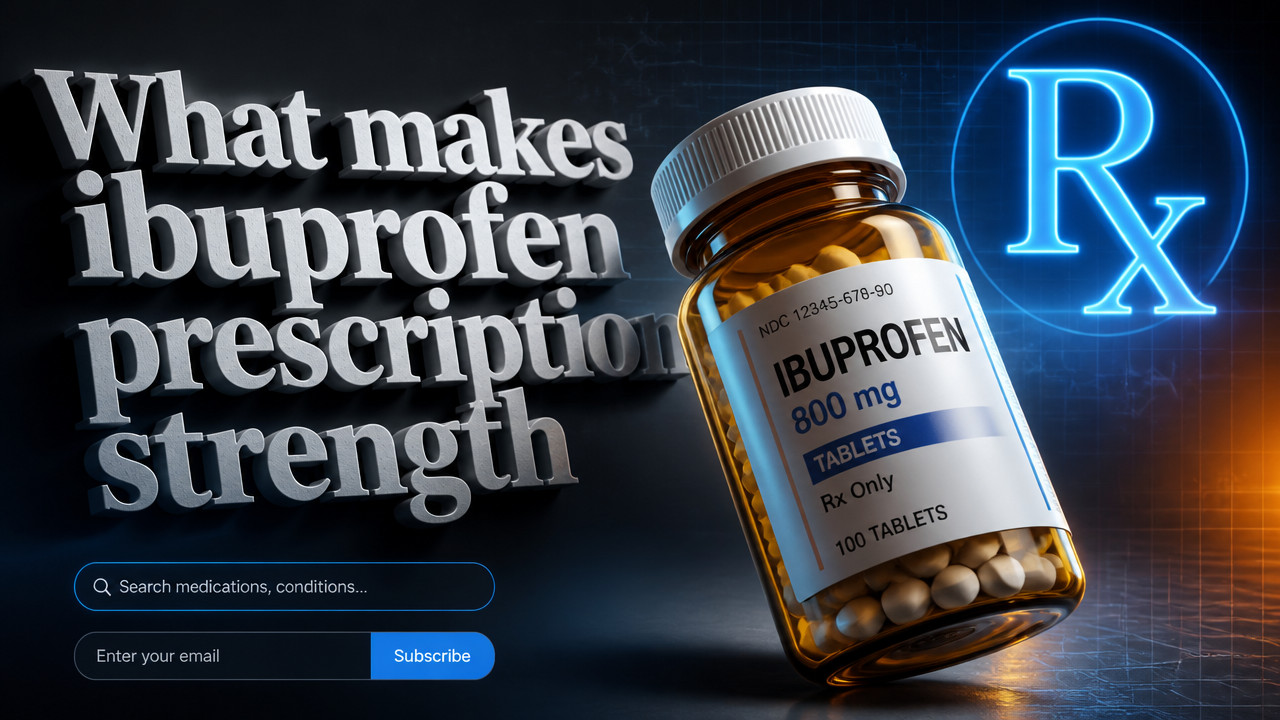
Prescription strength ibuprofen refers to tablets dosed between 400mg and 800mg per unit higher concentrations than the 200mg over-the-counter maximum. Doctors prescribe these strengths for moderate to severe pain, inflammation from arthritis, post-surgical recovery, or chronic musculoskeletal conditions where standard OTC doses prove insufficient. The active ingredient remains identical; the distinction lies in tablet potency, dosing intervals, and the medical oversight required to manage higher cumulative daily exposure safely.
Quick Answer: Prescription vs. OTC Ibuprofen in 2026
Understanding what is prescription strength ibuprofen starts with recognizing the clear demarcation between drugstore shelf products and physician-authorized medications. Prescription NSAIDs in the ibuprofen family deliver therapeutic concentrations that simply aren’t available over the counter in most countries. The 200mg ceiling on OTC products exists because higher doses increase the risk of gastrointestinal bleeding, kidney strain, and cardiovascular events risks that require medical supervision to manage appropriately.
Doctors reserve prescription ibuprofen dosage for situations where anti-inflammatory effects matter as much as pain relief. Unlike acetaminophen, which addresses pain perception without reducing swelling, high-dose ibuprofen targets the inflammatory cascade itself. According to Drugs, prescription strength ibuprofen typically requires careful patient selection and monitoring protocols, especially for individuals with pre-existing conditions or those taking other medications.
| Characteristic | OTC Ibuprofen | Prescription Ibuprofen |
|---|---|---|
| Strength per tablet | 200mg (max) | 400mg, 600mg, 800mg |
| Maximum daily dose | 1200mg (self-guided) | 3200mg (under supervision) |
| Typical use cases | Minor aches, fever reduction | Arthritis, post-op recovery, acute injury |
| Prescription required | No | Yes, mandatory |
| Monitoring advised | Optional | Recommended for long-term use |
The Four FDA-Recognized Prescription Strengths
Rx-only ibuprofen comes in specific tablet concentrations designed for clinical use. Each strength serves different patient needs, though prescribers often default to the 800mg option for maximum therapeutic effect. Brand name versions like Motrin Rx and various generics follow the same molecular formulation the ibuprofen molecule doesn’t change, only the compressed dosage per pill.
- 400mg tablets Entry-level prescription strength, often prescribed for mild to moderate inflammation or for patients sensitive to higher NSAID doses.
- 600mg tablets Middle-range potency, common for acute injury recovery where consistent anti-inflammatory action supports healing.
- 800mg tablets Most frequently prescribed strength, offering maximum per-dose relief for severe pain and chronic inflammatory conditions.
- Combination formulations Some prescription products pair ibuprofen with other agents, though pure ibuprofen remains the standard NSAID approach.
Understanding these distinctions helps patients navigate their prescriptions more effectively. For a broader breakdown of medication naming conventions, consult the medicine name decoder to understand generic versus brand difference. Each tablet size represents a deliberate clinical choice, not arbitrary packaging a 600mg prescription ibuprofen tablet delivers triple the OTC standard in a single dose.

Why Your Doctor Prescribes Higher-Dose Ibuprofen
Prescription anti-inflammatory medications serve specific therapeutic purposes that OTC products cannot adequately address. When physicians reach for the prescription pad, they’re targeting inflammation at its source rather than simply masking pain signals. This distinction matters enormously for conditions where tissue swelling contributes to ongoing damage.
Post-surgical recovery represents one of the most common scenarios for prescription ibuprofen. After procedures like knee arthroscopy, dental implants, or orthopedic repairs, the inflammatory response can impede healing if left unchecked. High-dose ibuprofen reduces swelling at the surgical site while providing analgesic effects often allowing patients to reduce opioid dependence or avoid narcotics entirely.
Rheumatoid arthritis and osteoarthritis patients frequently rely on prescription pain relief for daily function. The anti-inflammatory properties of ibuprofen at therapeutic doses help preserve joint mobility and reduce morning stiffness that characterizes these conditions. Unlike pure painkillers, ibuprofen actually modifies the disease process by reducing prostaglandin production.

Acute injuries from sports-related sprains to workplace muscle strains also benefit from prescription-level dosing. The how to read your prescription label guide explains how prescribers calculate appropriate dosing intervals. Reducing inflammation within the first 48 hours of injury significantly impacts recovery trajectory, which is why urgent care physicians often prescribe higher-strength ibuprofen rather than recommending OTC alternatives.
How Prescription Ibuprofen Dosing Actually Works
Ibuprofen dosage prescription protocols follow established pharmacokinetic principles. The drug’s half-life ranges from 1.8 to 2 hours in healthy adults, meaning blood concentration drops by half every two hours. This relatively short duration necessitates multiple daily doses to maintain therapeutic levels a practical reality that prescription regimens account for through convenient tablet strengths.
The typical prescription regimen calls for 600–800mg every 6–8 hours, not exceeding 3200mg daily under physician supervision. This maximum applies to short-term acute use; chronic therapy often stays below 2400mg daily to reduce cumulative risk. Patients sometimes ask whether doubling OTC 200mg tablets produces identical effects pharmacologically yes, but this practice carries hidden dangers including variable absorption and inadvertent dosing errors.
According to research published by Nih, adverse reactions to ibuprofen appear to be dose and duration dependent. While OTC ibuprofen at low doses for short-term use maintains a safety profile comparable to paracetamol, the risk equation shifts significantly with prescription-level dosing over extended periods.
| Tablet Strength | 6-Hour Schedule | 8-Hour Schedule | Daily Total |
|---|---|---|---|
| 400mg | 1 tablet every 6h | 1 tablet every 8h | 1600mg / 1200mg |
| 600mg | 1 tablet every 6h | 1 tablet every 8h | 2400mg / 1800mg |
| 800mg | 1 tablet every 8h | 1 tablet every 8h | 2400mg |
Cardiovascular and GI Risks Above 1200mg Daily
Prescription strength doses introduce safety considerations that rarely affect occasional OTC users. The gastrointestinal system bears the brunt of high-dose NSAID exposure. Ibuprofen inhibits the cyclooxygenase enzymes responsible for producing protective stomach mucus alongside inflammatory prostaglandins. At prescription doses, this protective mechanism weakens, potentially leading to gastric ulcers, bleeding, or perforation in susceptible individuals.
Cardiovascular concerns have gained increasing attention in 2026 clinical guidelines. All NSAIDs except aspirin carry some level of heart risk, with warnings extending to prescription ibuprofen. Hypertension can worsen, and patients with existing heart conditions require careful monitoring. Fluid retention associated with NSAID use may also compromise those with heart failure.
- Baseline blood pressure measurement Establishing starting values before initiating long-term high-dose therapy.
- Renal function testing Monitoring creatinine and BUN levels, especially for patients over 65 or those with kidney concerns.
- GI risk assessment Evaluating ulcer history, H. pylori status, and concurrent medications like corticosteroids or anticoagulants.
- Cardiovascular screening Reviewing heart disease history, smoking status, and lipid profiles before prescribing extended courses.
- Periodic re-evaluation Routine follow-up appointments to assess whether continued NSAID therapy remains appropriate.
These protocols aren’t bureaucratic hurdles they represent evidence-based medicine in practice. Patients ordering through the medicine price index should ensure their prescribing physician has current health records on file.
When 800mg Ibuprofen Replaces Naproxen or Celecoxib
Prescription NSAID selection involves matching drug properties to patient needs. Ibuprofen 600mg vs 800mg represents one consideration; comparing ibuprofen to alternatives like naproxen or celecoxib adds another layer. Each medication offers distinct pharmacokinetic profiles that influence dosing frequency, side effect likelihood, and cost.
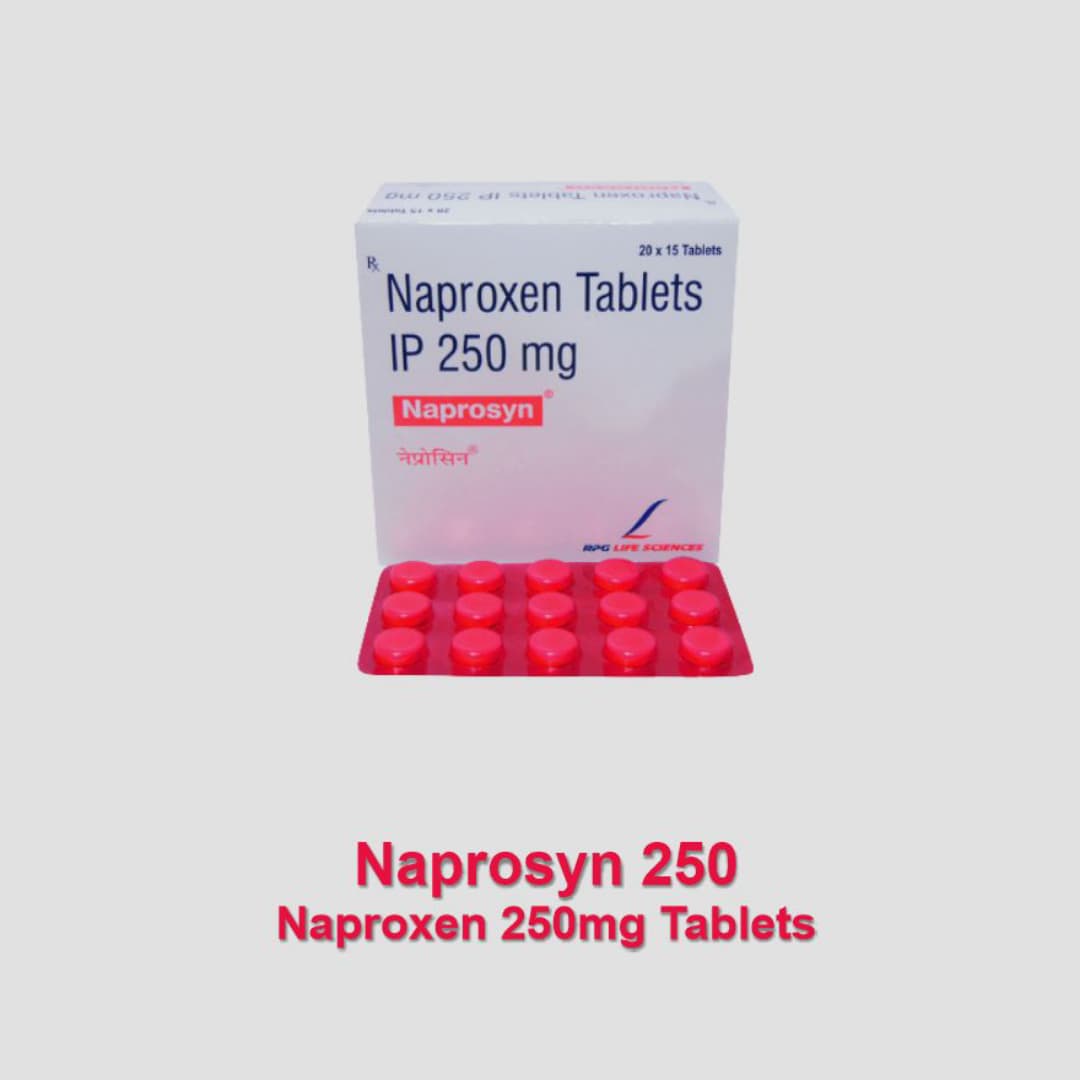
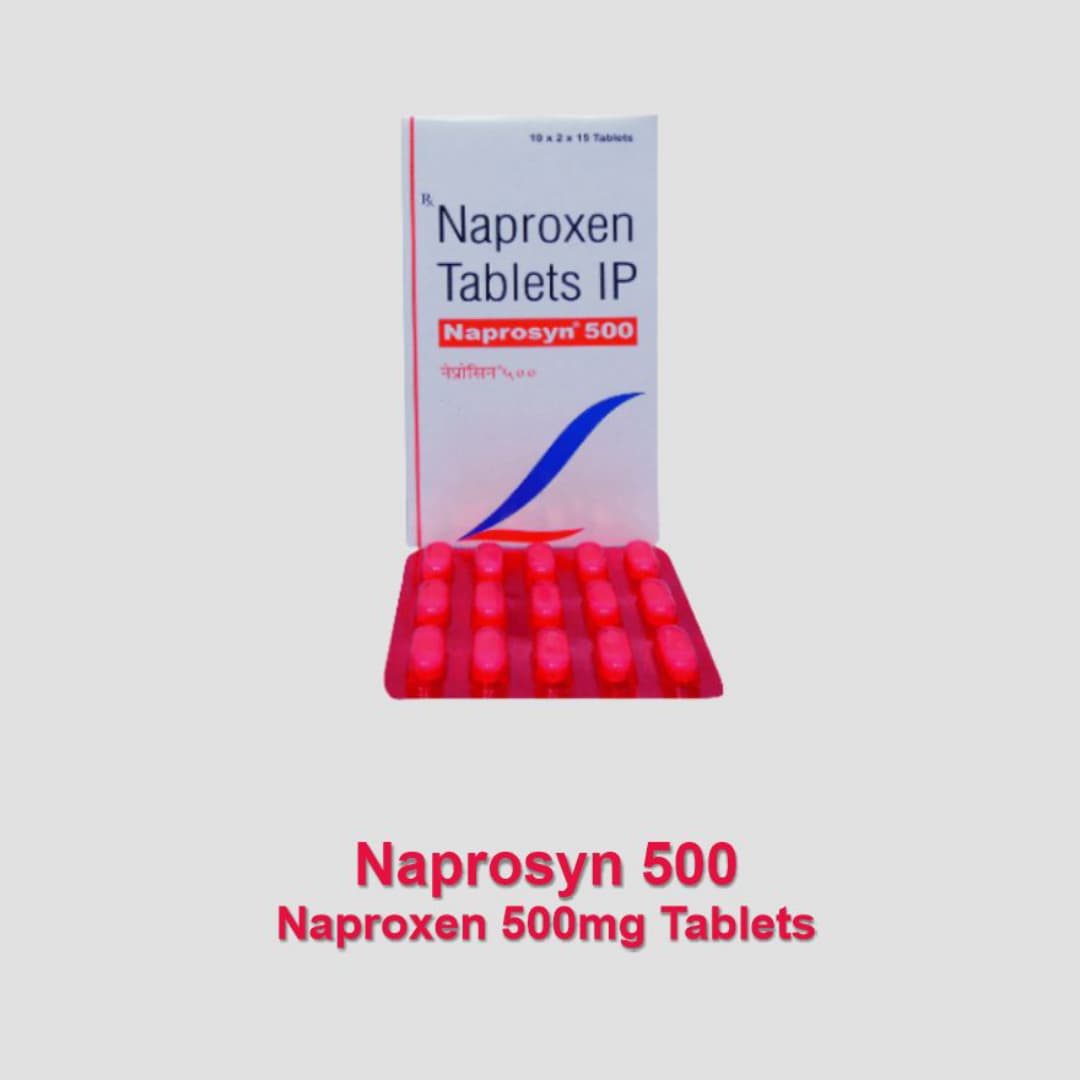
Naproxen provides longer-lasting relief due to its extended half-life approximately 12 to 17 hours compared to ibuprofen’s 2 hours. This translates to twice-daily dosing versus ibuprofen’s three to four times daily requirement. For patients valuing convenience, the naproxen 250mg tablets option might seem attractive. However, naproxen’s longer duration also means drug accumulation and delayed clearance if adverse reactions occur.
Celecoxib takes a different approach as a COX-2 selective inhibitor. By sparing the COX-1 enzyme that protects stomach lining, celecoxib theoretically reduces GI risk. The trade-off comes in cost brand-only availability until recently kept prices high, and cardiovascular concerns specific to COX-2 inhibitors warrant attention.
According to data analyzed by Nih, the dose-duration relationship for adverse events makes short-term high-dose ibuprofen potentially safer than long-term moderate dosing of alternatives. Selection depends on individual patient factors, insurance coverage, and treatment goals.
| Medication | Duration of Action | Dosing Interval | Cost Comparison |
|---|---|---|---|
| Ibuprofen 800mg | 4–6 hours | Every 6–8 hours | Low (generic available) |
| Naproxen 500mg | 8–12 hours | Every 12 hours | Low (generic available) |
| Celecoxib 200mg | 12–24 hours | Once or twice daily | Moderate to High |
How to Order Prescription Ibuprofen Through myRxBox
Accessing prescription strength ibuprofen through online pharmacies requires following specific protocols that ensure legal compliance and patient safety. myRxBox streamlines this process while maintaining rigorous standards for prescription verification and medication sourcing.
- Upload your valid prescription Scan or photograph your physician’s original prescription, ensuring the document clearly shows your name, medication details, and prescriber information.
- Select your prescribed strength Choose from available 400mg, 600mg, or 800mg options based on your doctor’s written order; substitutions require prescriber approval.
- Confirm delivery preferences Review shipping options, estimated arrival times, and delivery address accuracy before finalizing your order.
- Track your shipment Monitor package progress through the customer portal, with updates provided at each logistics milestone.
International sourcing through myRxBox online pharmacy connects patients with quality-assured medications from regulated pharmaceutical suppliers. The platform emphasizes competitive pricing without compromising on verification requirements prescriptions must be authentic and current.
Key Takeaways
- Prescription strength ibuprofen ranges from 400mg to 800mg per tablet, exceeding the 200mg OTC maximum.
- Maximum daily dose reaches 3200mg under physician supervision, compared to 1200mg for self-guided OTC use.
- GI, cardiovascular, and renal risks increase at prescription doses, necessitating medical monitoring for long-term therapy.
- Effective for inflammatory conditions including arthritis, post-surgical recovery, and acute musculoskeletal injuries.
- Ordering requires valid prescription upload through verified platforms like myRxBox for international shipping access.
For comprehensive medication information beyond ibuprofen, the prescription medication guide offers additional resources for informed healthcare decisions.
Frequently Asked Questions
Can I take two 400mg tablets instead of one 800mg tablet?
Yes, mathematically equivalent. Two 400mg tablets deliver 800mg total the same as a single 800mg prescription tablet. However, taking multiple tablets increases cost per dose and creates more opportunities for dosing errors compared to single-tablet prescriptions.
Is prescription ibuprofen addictive like opioid pain medications?
No, ibuprofen is not addictive. Unlike opioids, ibuprofen doesn’t affect brain reward pathways or create physical dependence. The main concerns with prescription NSAIDs involve organ toxicity from prolonged use, not addiction potential.
Does health insurance typically cover prescription ibuprofen?
Yes, most plans cover generic prescription ibuprofen. As a low-cost generic medication, ibuprofen typically appears on insurance formularies with minimal copay. Brand-name versions or extended-release formulations may require higher cost-sharing or prior authorization.
What makes 800mg ibuprofen require a prescription?
The safety monitoring requirement. Doses above 400mg per tablet carry elevated GI bleeding, kidney strain, and cardiovascular event risks. Prescription status ensures physicians evaluate individual risk factors before authorizing higher-strength regimens.
Can I switch from naproxen to ibuprofen without seeing my doctor?
No, always consult your prescriber first. Though both are NSAIDs, they have different half-lives, interactions, and contraindications. Your doctor can advise on safe switching protocols review the naproxen 500mg alternative information for comparison.