

Prescription medications for pregnancy nausea range from FDA-approved antiemetics like doxylamine-pyridoxine to off-label ondansetron, with safety profiles varying by trimester and severity. Approximately 70% of pregnancies involve nausea and vomiting, yet treatment decisions require balancing maternal symptom relief against fetal safety. This guide analyzes 2026 prescription protocols, comparative effectiveness data, and access pathways for evidence-based nausea management during pregnancy.
Quick Answer: Which Prescriptions Are Standard for Pregnancy Nausea in 2026
Treatment for gestational nausea follows a stepped approach, beginning with the only FDA-approved combination therapy and progressing to off-label alternatives when symptoms remain uncontrolled. According to Aafp, approximately 70% of pregnancies experience nausea and vomiting, with symptoms typically starting between 4 and 10 weeks of gestation and improving by 20 weeks. This high prevalence has driven pharmaceutical development of specialized antiemetic drugs pregnancy protocols that prioritize fetal safety.
First-line treatment remains the fixed-dose combination of doxylamine succinate and pyridoxine hydrochloride, available as a delayed-release tablet designed for bedtime administration. This formulation carries FDA pregnancy category A status, meaning adequate well-controlled studies have failed to demonstrate fetal risk. For women requiring additional daytime coverage, second-line options include antihistamines such as diphenhydramine and dimenhydrinate, which carry reassuring safety data despite lacking formal FDA approval for this indication.
When first-line therapies prove insufficient, providers may prescribe ondansetron, metoclopramide, or promethazine. These medications require careful risk-benefit analysis, particularly during the first trimester when organogenesis occurs. 2026 clinical practice guidelines emphasize individualized treatment plans rather than algorithmic prescribing, recognizing that symptom severity varies dramatically between patients.

| Treatment Tier | Medication | FDA Status | Safety Category |
|---|---|---|---|
| First-Line | Doxylamine-Pyridoxine | FDA-Approved | Category A |
| Second-Line | Antihistamines (Diphenhydramine) | Off-Label | Category B |
| Second-Line | Ondansetron | Off-Label | Category B |
| Rescue | Metoclopramide | Off-Label | Category B |
| Rescue | Promethazine | Off-Label | Category C |
| Hospital-Grade | Methylprednisolone | Off-Label | Category C |
FDA-Approved Doxylamine-Pyridoxine: The Only Designated First-Line Treatment
The combination of doxylamine succinate and pyridoxine hydrochloride represents the only medication specifically approved by the FDA for the treatment of nausea and vomiting in pregnancy. Originally approved in 1956 and later reformulated with improved dosing flexibility in 2013, this fixed-dose combination has accumulated more than six decades of safety data supporting its use across all trimesters.
Doxylamine functions as an antihistamine with anticholinergic properties, blocking H1 receptors in the chemoreceptor trigger zone. Pyridoxine, or vitamin B6, addresses the nutritional deficiencies that often accompany prolonged nausea while independently reducing symptom severity. The synergistic effect of these two compounds provides superior relief compared to either agent alone, with clinical trials demonstrating complete symptom resolution in approximately 44% of patients and significant improvement in an additional 28%.
The standard prescribing protocol begins with two tablets at bedtime, taken on an empty stomach with water to ensure proper absorption. If morning symptoms persist, patients may add one tablet in the afternoon. Maximum daily dosing reaches four tablets for severe cases, though most women achieve adequate relief at two to three tablets daily. Patients should check current medication pricing to understand out-of-pocket costs before initiating therapy, as insurance coverage varies significantly between plans.
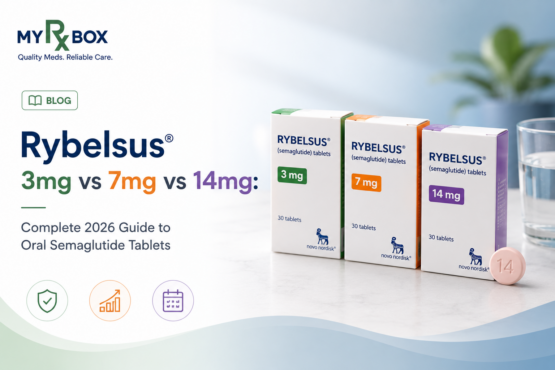
- Start with two 10mg/10mg tablets at bedtime on an empty stomach
- Add one afternoon tablet if daytime nausea persists after 72 hours
- Increase to maximum four tablets daily only under physician supervision
- Allow 4-7 days for therapeutic effect before dose escalation
- Take evening dose at least 30 minutes before anticipated sleep onset
Delayed-release formulations ensure peak plasma concentrations coincide with morning symptom onset, which typically occurs between waking and mid-morning. Patients should avoid taking the medication with food, as this delays absorption and reduces efficacy. Compliance remains the primary barrier to successful treatment, with studies showing approximately 40% of patients discontinue therapy prematurely due to perceived lack of effect, often before achieving steady-state concentrations.
Ondansetron Off-Label Use: Safety Profile and 2026 Utilization Data
Ondansetron has become the most frequently prescribed antiemetic for pregnancy nausea despite lacking FDA approval for this indication. According to Medscape, in a survey of 289 Australian women with severe nausea and vomiting, ondansetron was the most commonly used antiemetic, with 91% of participants receiving prescriptions for this medication. This widespread adoption reflects both its efficacy and the limitations of alternative treatments.
Originally developed for chemotherapy-induced nausea, ondansetron blocks serotonin 5-HT3 receptors in both the gastrointestinal tract and central nervous system. This dual mechanism provides rapid relief for many patients who fail first-line therapy. However, the medication carries ongoing safety debates regarding potential cardiac effects and teratogenicity that require careful patient counseling.
In 2016, a large retrospective cohort study raised concerns about small increases in cardiac septal defects and orofacial clefts associated with first-trimester exposure. Subsequent analyses have produced conflicting results, with some large database studies finding no increased risk while others identify small absolute increases in specific malformations. The absolute risk remains low regardless of study methodology, but the controversy has led many providers to recommend ondansetron only after first-line treatments have failed.
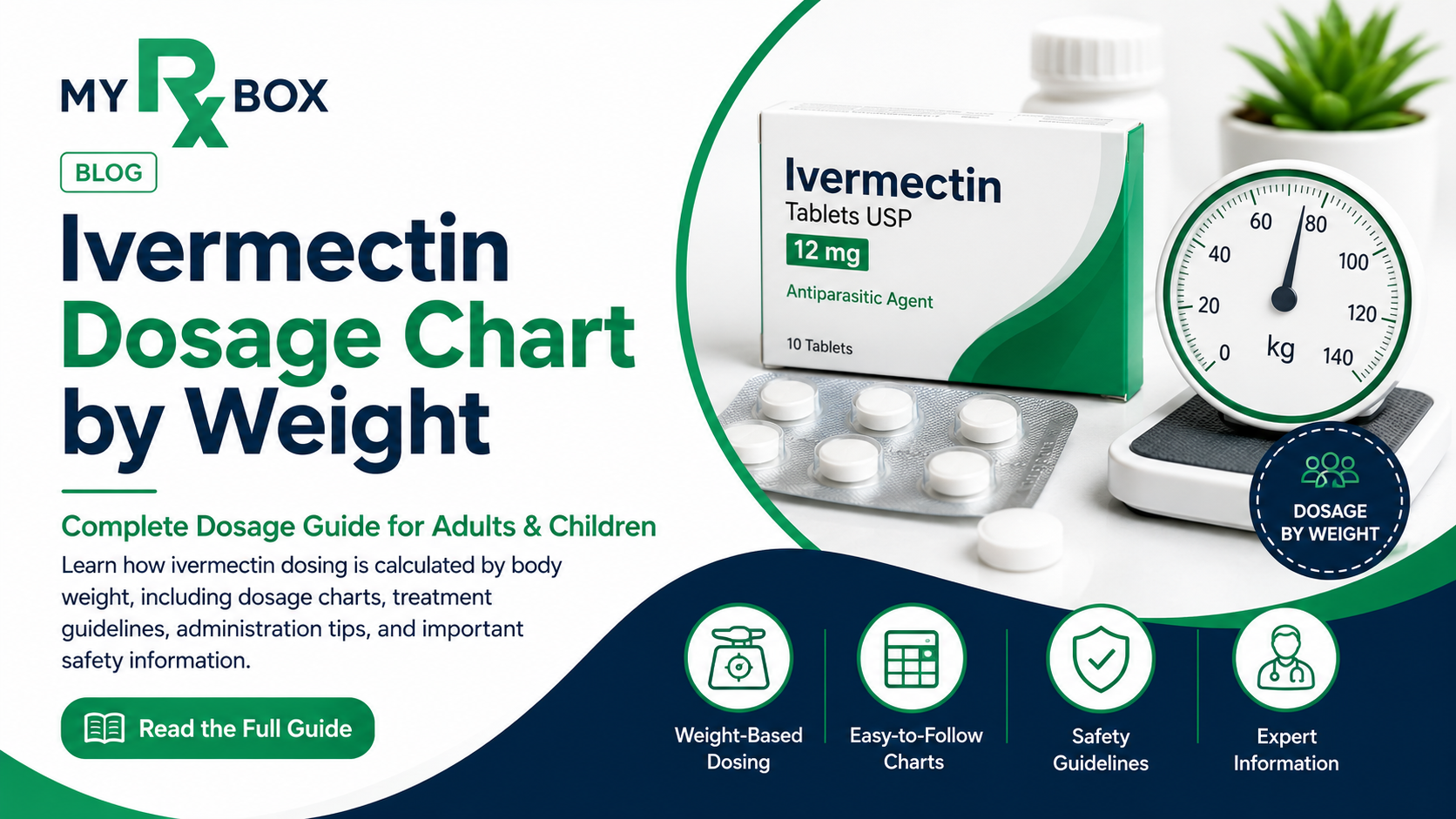
Patients should review understanding your prescription label before initiating therapy, as ondansetron dosing varies significantly based on formulation and severity. Oral tablets typically come in 4mg and 8mg strengths, with most pregnancy protocols recommending 4mg every 8 hours as needed. Ondansetron is also available as orally disintegrating tablets for women unable to keep oral medications down, though these formulations may cost significantly more.
The 2026 clinical consensus emphasizes shared decision-making when prescribing ondansetron. Providers should document discussion of potential risks, alternative treatments attempted, and patient preferences before initiating therapy. For women with severe symptoms who cannot maintain adequate hydration or nutrition, the benefits of symptom control generally outweigh the small potential risks, particularly after the first trimester.
Metoclopramide and Promethazine: When First-Line Options Fail
When standard therapies prove insufficient, physicians may turn to metoclopramide or promethazine as second-line antiemetic options. These medications work through different mechanisms and carry distinct side effect profiles that influence prescribing decisions. Neither drug carries FDA approval specifically for pregnancy nausea, but both have accumulated substantial clinical experience supporting cautious use.
Metoclopramide functions as a dopamine D2 receptor antagonist and enhances gastric emptying, addressing both the central nausea signaling and the gastrointestinal dysmotility that often accompanies pregnancy. This dual mechanism makes it particularly useful for women whose symptoms include significant bloating, early satiety, or reflux-like symptoms. The typical oral dose ranges from 5mg to 10mg every 6-8 hours as needed.
However, metoclopramide carries a black box warning for tardive dyskinesia when used long-term, though this risk is considered minimal with the short courses typical for pregnancy nausea treatment. Patients should limit use to 12 weeks whenever possible and report any involuntary facial movements immediately. For women who require ongoing treatment, order prescription medications securely through verified platforms to ensure medication authenticity and proper handling.
| Medication | Mechanism | Standard Dosing | Key Contraindications |
|---|---|---|---|
| Metoclopramide | D2 antagonist, prokinetic | 5-10mg q6-8h | Seizure disorder, Parkinson’s |
| Promethazine | H1 antagonist, anticholinergic | 12.5-25mg q4-6h | Respiratory depression, age <2 |
Promethazine offers potent antihistamine and anticholinergic effects, making it highly effective for acute nausea episodes. However, its sedating properties can limit daytime usefulness, and it carries higher teratogenicity concerns than other options. Most providers reserve promethazine for breakthrough symptoms or evening use when sedation is less problematic. The medication is contraindicated in patients with seizure disorders due to its potential to lower seizure threshold.
How to Obtain a Prescription for Pregnancy Nausea Medication
Accessing prescription medications for pregnancy nausea requires navigating several_steps from initial consultation to prescription fulfillment. With telemedicine adoption accelerating since 2020, many women now obtain initial prescriptions through virtual consultations, followed by in-person visits for ongoing management. This hybrid approach balances convenience with the thorough evaluation that pregnancy care demands.
Patients should view antiemetic medication costs before appointments, as insurance coverage and out-of-pocket expenses vary dramatically between formulations and pharmacies. Understanding pricing ahead of time allows for informed discussions with prescribing physicians about cost-effective treatment options.
- Document symptom frequency, duration, and severity using a nausea diary for 3-5 days
- Schedule an appointment with an obstetrician, midwife, or primary care provider
- Report any home remedies attempted, including vitamin B6 alone or ginger supplements
- Discuss specific symptom triggers, timing patterns, and impact on daily functioning
- Review medication options, safety profiles, and treatment goals during consultation
- Request written prescription or electronic transmission to a verified pharmacy
- Confirm medication availability and delivery timelines before leaving appointment
For international patients or those with limited local pharmacy access, online prescription fulfillment services provide an alternative pathway. These services require documentation of a valid prescription from a licensed provider and typically offer worldwide delivery for FDA-approved medications. Processing times range from 3-10 business days depending on destination country and customs requirements.
Trimester-Specific Prescription Protocols and Safety Adjustments
Medication selection and dosing shift throughout pregnancy in response to changing fetal vulnerability windows and maternal physiological adaptations. First trimester treatment demands the greatest caution, as organogenesis occurs between weeks 4 and 10 of gestation, precisely when morning sickness symptoms typically peak.
During weeks 4 through 13, providers prioritize FDA-approved doxylamine-pyridoxine as the foundation of treatment. This recommendation stems from extensive safety data demonstrating no increased risk of congenital malformations even with sustained first-trimester exposure. Alternatives with reassuring safety profiles include dimenhydrinate and diphenhydramine, though these antihistamines cause more sedation than first-line therapy.
Second trimester treatment, spanning weeks 14 through 27, allows greater flexibility in medication selection. By this stage, organogenesis is complete and concerns about structural malformations diminish significantly. Providers may more readily consider ondansetron during this period, particularly for women whose symptoms persist or worsen despite first-line therapy.
| Gestational Period | Preferred Medications | Use With Caution | Generally Avoid |
|---|---|---|---|
| Weeks 4-13 | Doxylamine-Pyridoxine | Antihistamines | High-dose ondansetron |
| Weeks 14-27 | All category A/B options | Ondansetron | Methylprednisolone |
| Weeks 28-40 | All approved options | Corticosteroids | None specific |
Third trimester protocols address different concerns entirely. While fetal malformation risks are minimal, some medications can affect neonatal adaptation. Promethazine, for example, carries warnings about neonatal respiratory depression when administered near delivery. Most antiemetics can be safely continued through delivery, but providers should review timing of the last dose for any planned labor induction or cesarean section.
Hyperemesis Gravidarum: Hospital-Grade Prescription Interventions
Hyperemesis gravidarum represents the severe end of the pregnancy nausea spectrum, affecting approximately 0.3% to 2% of pregnancies. Diagnostic criteria include persistent vomiting, weight loss exceeding 5% of pre-pregnancy weight, dehydration, and electrolyte abnormalities. Unlike typical morning sickness, hyperemesis often persists beyond the first trimester and may require hospitalization for intravenous fluid and medication administration.
Outpatient prescriptions frequently prove insufficient for hyperemesis management. Hospital protocols typically involve IV ondansetron administered every 8 hours, combined with IV fluids containing dextrose and electrolytes. For refractory cases, methylprednisolone may be added as a last-resort option, though corticosteroid use during pregnancy carries risks including cleft palate when used before 10 weeks gestation and potential effects on fetal growth with prolonged exposure.
Patients should review cancellation terms before scheduling any prescription deliveries, as medication needs may change rapidly with severe symptoms. Understanding pharmacy policies ensures continuity of care during unpredictable symptom flares.
- Weight loss exceeding 5% of pre-pregnancy body weight
- Inability to keep liquids down for more than 24 hours
- Presence of ketones in urine with significant dehydration
- Dizziness, fainting, or decreased urine output signaling volume depletion
The psychological impact of hyperemesis cannot be overstated. Studies consistently demonstrate elevated rates of depression, anxiety, and pregnancy-related anxiety among women with severe symptoms. Treatment plans should address mental health support alongside physical symptom management, including referral to counseling services and peer support groups when appropriate.
Key Takeaways: Navigating Pregnancy Nausea Prescriptions Safely
Treatment success depends on matching medication potency to symptom severity while respecting fetal safety windows throughout gestation. The evidence strongly supports early intervention, as untreated severe nausea leads to poor maternal nutrition, dehydration, and psychological distress that can affect pregnancy outcomes.
- Doxylamine-pyridoxine remains the only FDA-approved treatment for pregnancy nausea and should be first-line therapy for most patients
- Ondansetron is the most prescribed antiemetic despite off-label status, appropriate when first-line options fail
- First trimester treatment prioritizes medications with category A or B safety designations and extensive clinical experience
- Hyperemesis gravidarum requires aggressive treatment including potential hospitalization for IV therapy
- Internationally sourced medications through verified platforms provide access for patients with limited local availability
- Individualized treatment plans that account for symptom severity, gestational age, and patient preferences yield best outcomes
Patients facing daily nausea should initiate treatment discussions promptly rather than waiting for symptoms to worsen. Many women suffer unnecessarily believing morning sickness cannot be treated safely, when effective options exist. Patients can understand refund policies before ordering prescription medications online to ensure confidence in their treatment pathway.
FAQ: Pregnancy Nausea Medication Prescriptions
Is prescription medication safe for pregnancy nausea?
Yes, when prescribed appropriately. First-line doxylamine-pyridoxine has Category A safety status with decades of data supporting fetal safety. Most second-line options carry Category B designations, indicating no evidence of harm in human studies though controlled trials are limited. Discuss specific medications with your obstetrician.
How do I get a prescription for morning sickness medication?
Through your prenatal care provider. Document symptoms for several days, schedule an appointment to discuss medication options, and request electronic prescription transmission to a verified pharmacy. Telemedicine consultations also provide prescriptions for appropriate cases. Patients can compare medication prices to anticipate out-of-pocket costs before appointments.
Can I take ondansetron during the first trimester?
Provider discretion advised. While studies conflict regarding small absolute increases in birth defects, most analyses suggest risks are minimal compared to benefits for women with severe symptoms. Risk-benefit discussions should include documentation of symptoms refractory to first-line therapy.
What if prescription medications are not working?
Evaluation for dose adjustment or escalation. Approximately 30% of women require combination therapy or medication changes. Hyperemesis gravidarum investigation may be warranted if weight loss exceeds 5% or dehydration occurs despite treatment. Hospital-grade interventions including IV therapy provide relief for refractory cases.
How much does pregnancy nausea medication cost?
Generic formulations typically range from $15 to $80 monthly. Brand-name delayed-release doxylamine-pyridoxine costs significantly more than generic alternatives. Insurance coverage varies, with some plans requiring step therapy or prior authorization for certain antiemetics.
Can I refill my prescription while traveling internationally?
Yes, with proper documentation. International prescription fulfillment services can ship to most destinations with a valid prescription from your local provider. Processing times and customs requirements differ by country, so plan medication refills at least two weeks before running out during travel.
Will antiemetics affect my baby after delivery?
Minimal concerns for most medications. Category A and B antiemetics show no significant neonatal effects when discontinued before delivery. Metoclopramide and promethazine use near delivery may cause temporary sedation in newborns, so discuss timing with your provider if anticipating labor induction.
When should I seek emergency care for pregnancy nausea?
Immediately if unable to keep liquids down for 24 hours. Signs of severe dehydration including dizziness, minimal urine output, rapid heartbeat, or confusion require urgent evaluation. Weight loss exceeding 5% and persistent ketones in urine also warrant immediate medical attention.