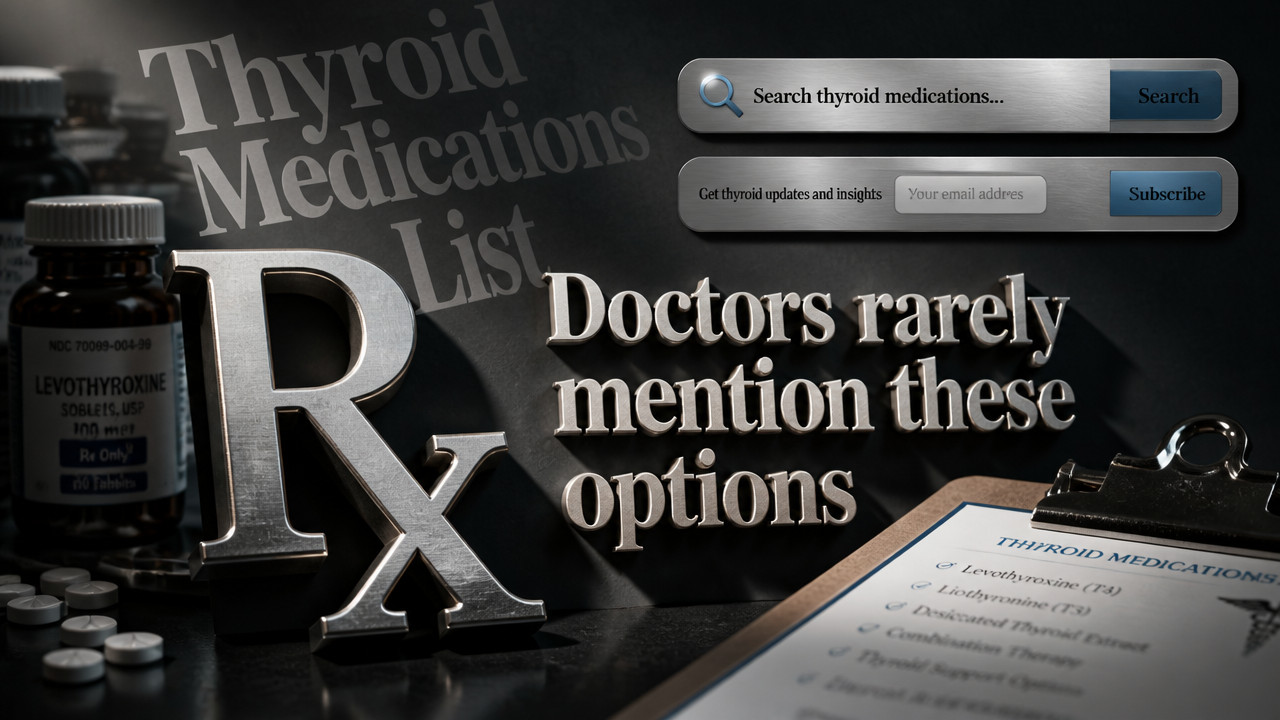
Thyroid medications fall into four distinct categories: synthetic T4 (levothyroxine), synthetic T3 (liothyronine), combination synthetic therapies, and natural desiccated thyroid extracts. Each addresses hypothyroidism through different mechanisms, with levothyroxine remaining the clinical standard prescribed to over 23 million Americans annually. This evidence-based guide examines every FDA-approved thyroid medication, their specific indications, dosage ranges, and how they compare in efficacy and patient outcomes for 2026.
Quick Answer: The Five Primary Thyroid Medication Classes
Patients navigating hypothyroidism treatment encounter several medication classes, each with distinct pharmacological profiles. The complete thyroid medications list includes synthetic T4 preparations, synthetic T3 formulations, combination T4/T3 products, natural desiccated thyroid extracts, and combination pharmaceutical approaches.
| Medication Class | Active Ingredient | Brand Examples | Typical Starting Dose |
|---|---|---|---|
| Synthetic T4 | Levothyroxine | Synthroid, Levoxyl, Tirosint | 25-50 mcg daily |
| Synthetic T3 | Liothyronine | Cytomel | 5-25 mcg daily |
| Combination Synthetic | T4 + T3 | Thyrolar | 1 grain equivalent |
| Natural Desiccated | Porcine Thyroid | Armour, Nature-Throid | 15-30 mg daily |
| Compounded | Custom T4/T3 | Pharmacy-prepared | Varies by prescription |
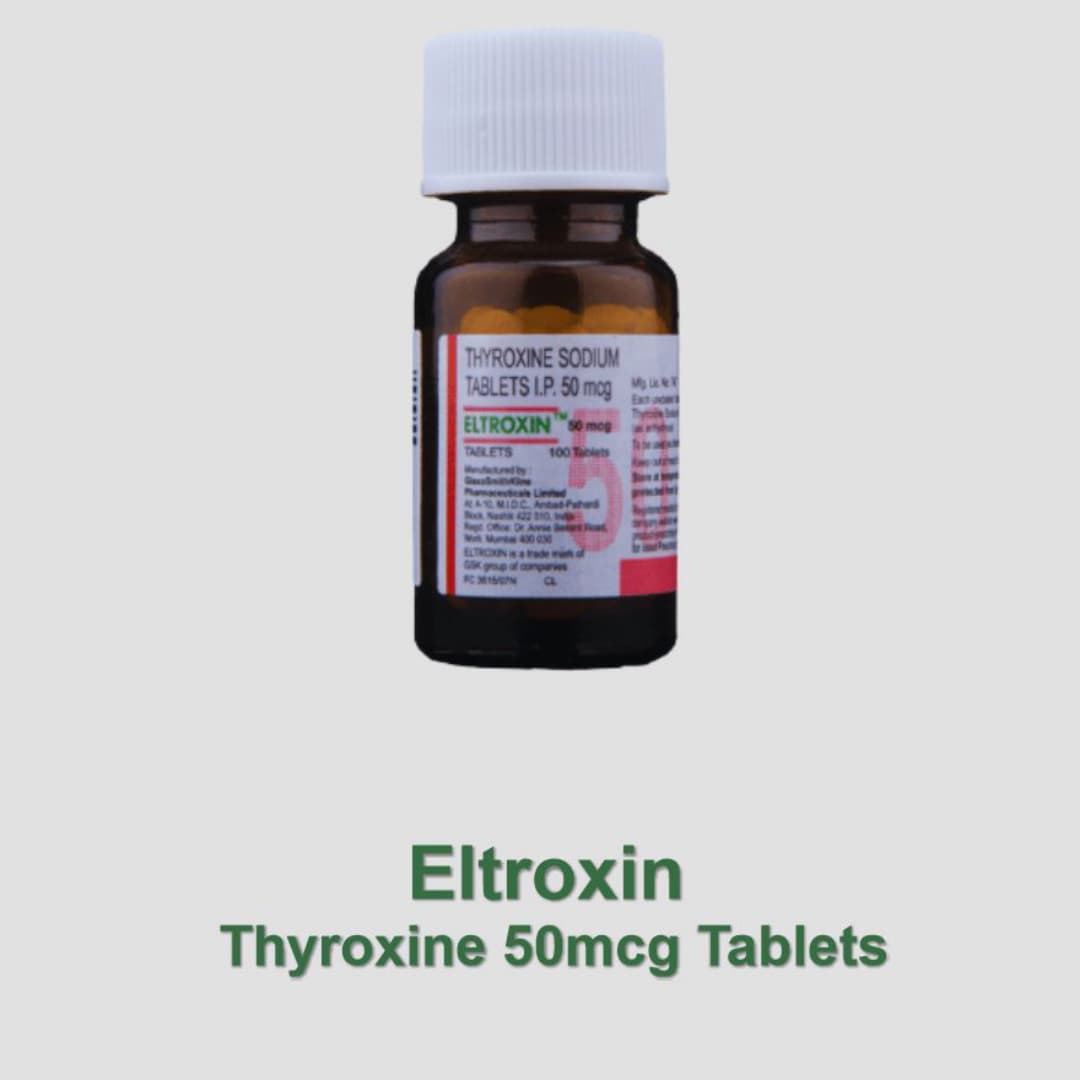
Understanding proper levothyroxine dosing protocols requires familiarity with how each medication class affects thyroid function tests. According to Restartmed, levothyroxine remains the most commonly prescribed thyroid medication, accounting for the vast majority of thyroid hormone replacement prescriptions written annually.
- Synthetic T4 (Levothyroxine) First-line therapy for most hypothyroid patients
- Synthetic T3 (Liothyronine) Reserved for specific clinical scenarios
- Combination T4/T3 Addresses conversion disorders and persistent symptoms
- Natural Desiccated Thyroid Porcine-derived with historical patient preference
- Compounded Preparations Customized dosing for unique patient needs
Levothyroxine (T4) Medications: The Clinical Standard
Levothyroxine dominates hypothyroidism treatment protocols worldwide. This synthetic T4 hormone mimics the naturally occurring thyroxine produced by the thyroid gland, providing a stable, well-characterized therapeutic option. The body converts T4 to active T3 in peripheral tissues, making levothyroxine effective for most patients.
Several FDA-approved levothyroxine products exist, each with specific bioequivalence profiles. Brand-name options include Synthroid, Levoxyl, Tirosint, and Unithyroid, while numerous generic versions offer cost-effective alternatives. The key distinction lies in manufacturing consistency and excipient formulations.
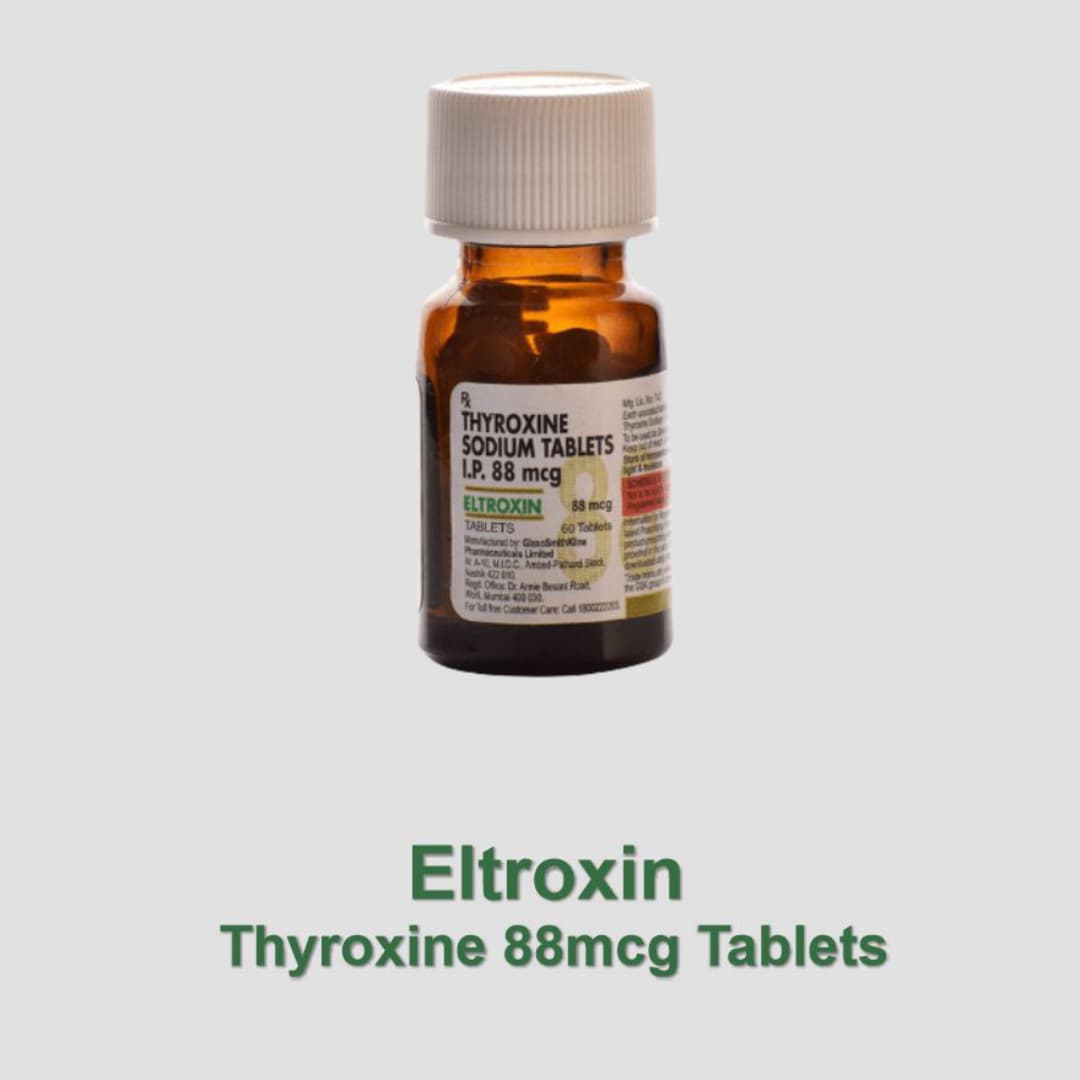
Prescribers appreciate the extensive safety data and predictable dose-response relationship that 50mcg levothyroxine tablets and other strengths provide. Tablets must be taken on an empty stomach, typically 30-60 minutes before breakfast, to maximize absorption.
- 25 mcg Initial starting dose for sensitive patients
- 50 mcg Common adult starting dose
- 75 mcg Moderate replacement requirement
- 88 mcg Intermediate adjustment strength
- 100 mcg Standard maintenance for many patients
- 112 mcg Titration increment option
- 125 mcg Full adult replacement приближение
- 137 mcg Fine-tuning strength
- 150 mcg Higher requirement dose
- 175 mcg to 300 mcg Larger replacement needs
Capsule formulations like Tirosint offer enhanced absorption for patients with gastrointestinal disorders or those taking medications that impair tablet absorption.
Liothyronine (T3) Medications: When T4 Monotherapy Fails
Liothyronine provides synthetic triiodothyronine, the metabolically active thyroid hormone. Unlike T4, liothyronine requires no peripheral conversion, producing rapid onset of action within hours rather than weeks. This pharmacokinetic profile makes it valuable in specific clinical situations.
Patients with impaired T4-to-T3 conversion may experience persistent symptoms despite normal TSH levels on levothyroxine. Genetic variations in deiodinase enzymes affect conversion efficiency in approximately 15% of the population. Additionally, severe hypothyroidism requiring rapid replacement often utilizes liothyronine initially.
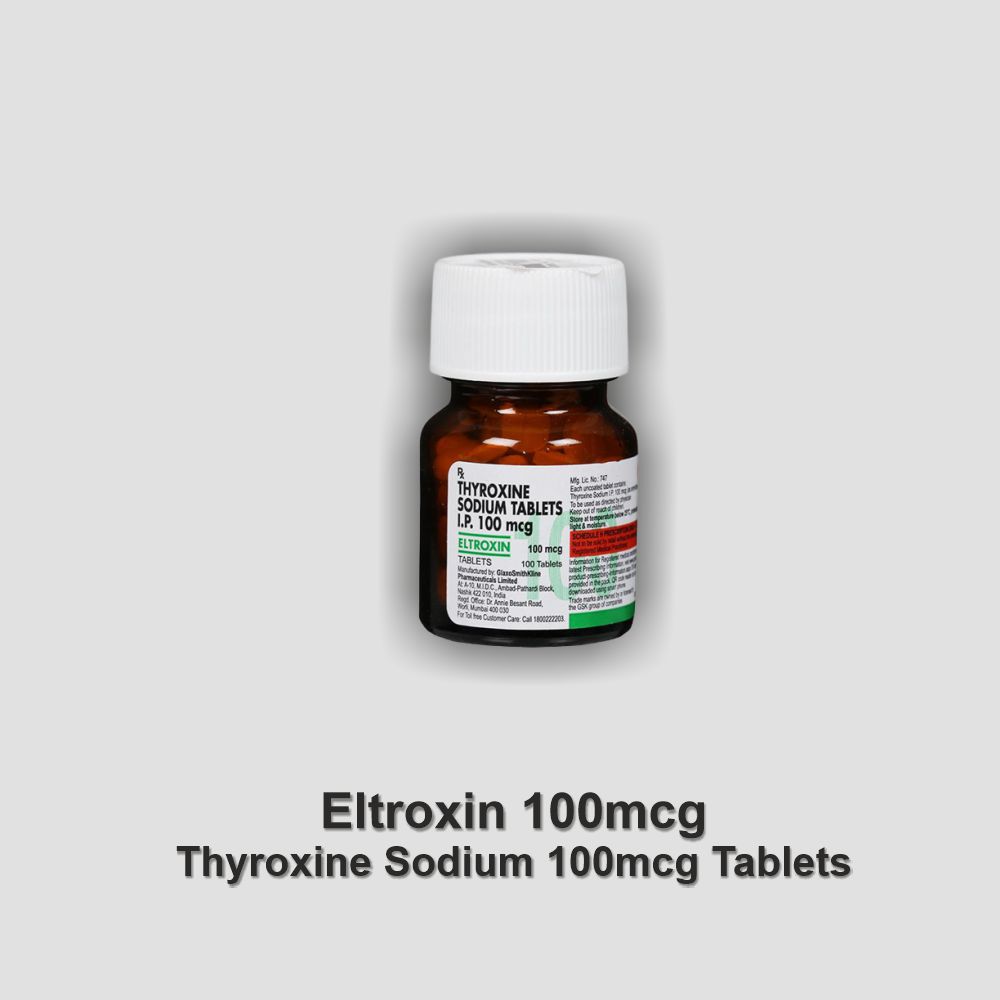
The relationship between 100mcg thyroxine options and T3 therapy involves complex metabolic pathways. According to Nih, a significant portion of patients report persistent symptoms despite normalized thyroid function tests, suggesting that T4 monotherapy may not address all physiological needs for certain individuals.
Cytomel represents the primary liothyronine product, available in 5 mcg, 25 mcg, and 50 mcg tablets. Due to its potency and short half-life, dosing typically occurs two to three times daily to maintain stable serum levels.
Combination Synthetic Therapies: T4 Plus T3 Protocols
Combination therapy addresses the limitations of T4 monotherapy by providing both thyroid hormones simultaneously. Fixed-ratio products like Thyrolar offer convenient T4/T3 combinations in tablet form, while custom compounding allows precise ratio adjustments based on individual patient response.
The theoretical advantage stems from mimicking natural thyroid physiology more closely than T4 alone. Some clinicians argue that combination therapy better addresses symptoms like fatigue, brain fog, and weight management in conversion-impaired patients.
| Parameter | T4 Monotherapy | Combination T4/T3 |
|---|---|---|
| TSH Normalization | 90-95% success rate | 88-93% success rate |
| Symptom Resolution | 70-75% of patients | 75-85% of patients |
| Time to Effect | 4-6 weeks | 2-4 weeks |
| Dosing Frequency | Once daily | Once or twice daily |
| Clinical Evidence | Extensive RCT data | Limited comparative trials |
| Cost | Lower | Moderate increase |
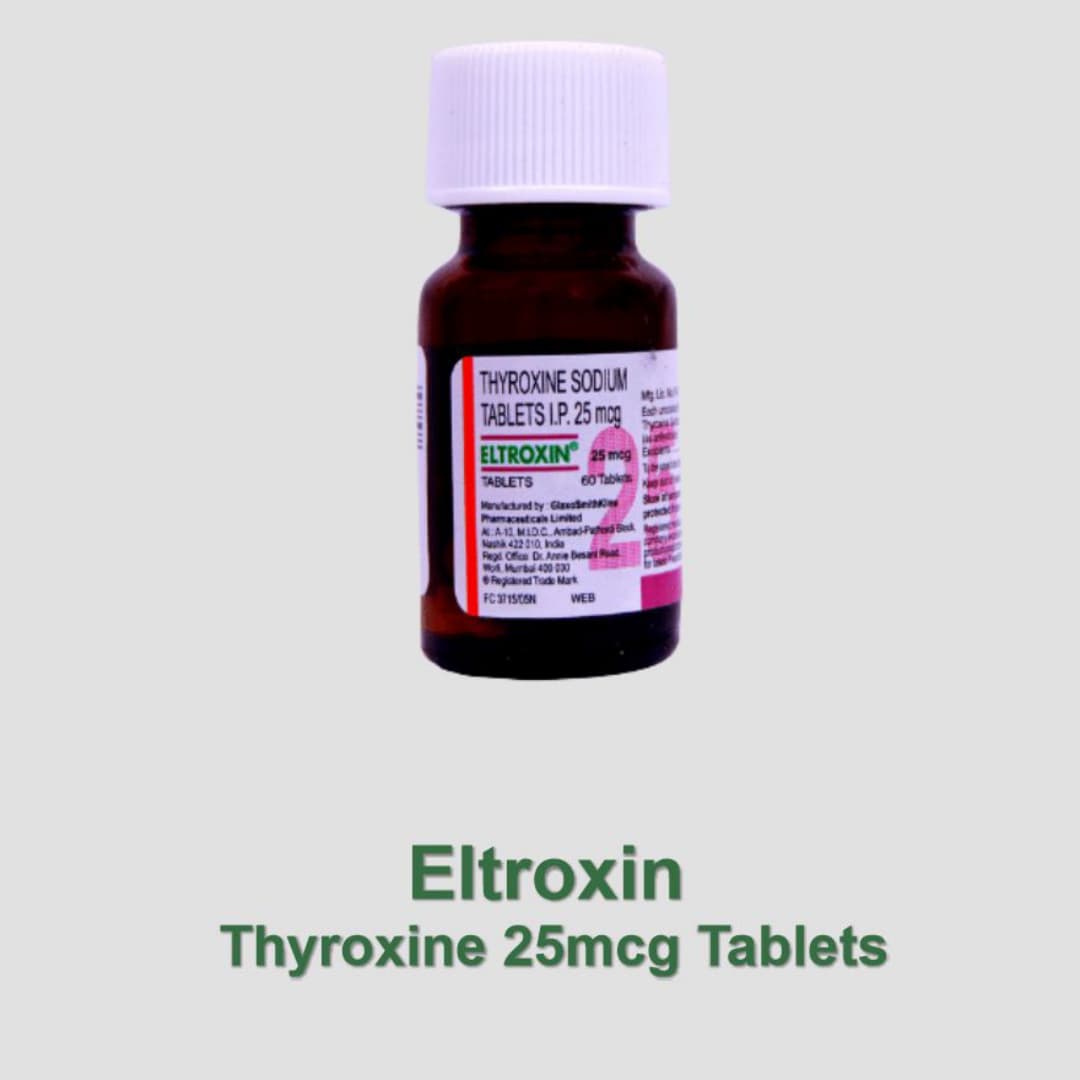
Starting with 25mcg starting dose equivalents allows careful titration while minimizing hyperthyroid symptoms. Most combination approaches begin with a 4:1 or 10:1 T4-to-T3 ratio, adjusted based on symptom response and laboratory monitoring.
Natural Desiccated Thyroid (NDT): Porcine-Derived Hormone Replacement
Natural desiccated thyroid extracts predate synthetic preparations, with over a century of clinical use. Derived from porcine thyroid glands, NDT provides a physiological mixture of T4, T3, and other thyroid hormones in ratios mirroring natural glandular composition.
Standardized to specific T4 and T3 content, modern NDT products maintain consistent potency across batches. The typical composition contains approximately 80% T4 and 20% T3, though exact ratios vary slightly by manufacturer.
Patients who transition from 125mcg levothyroxine to NDT often report improved energy levels and symptom resolution. However, clinical trials have not consistently demonstrated NDT superiority over synthetic preparations.
- Armour Thyroid 1 grain (65 mg) contains 38 mcg T4 and 9 mcg T3
- Nature-Throid 1 grain (65 mg) contains 38 mcg T4 and 9 mcg T3
- WP Thyroid 1 grain (65 mg) contains 38 mcg T4 and 9 mcg T3
- NP Thyroid 1 grain (65 mg) contains 38 mcg T4 and 9 mcg T3
NDT requires grain-based dosing rather than microgram measurements, with most patients requiring 1-3 grains daily depending on severity and individual response.
How to Select the Right Thyroid Medication for Your Condition
Selecting appropriate thyroid hormone replacement involves multiple clinical factors. Patient age, cardiac status, symptom severity, conversion efficiency, and treatment history all influence medication choice. Healthcare providers establish individualized TSH targets based on these parameters.
Younger, otherwise healthy patients typically achieve full replacement quickly, while older adults or those with cardiovascular disease require gradual dose escalation to prevent cardiac complications. Starting with 75mcg dosage options or lower allows safe titration in sensitive populations.
Medication switching becomes necessary when patients experience persistent symptoms despite adequate TSH suppression. According to Definitivehc, levothyroxine consistently ranks among the top prescribed medications by volume, reflecting both its clinical importance and the ongoing need for careful therapeutic management.
Clinical guidelines recommend allowing 6-8 weeks between dose adjustments before assessing laboratory response, as thyroid hormone levels require time to stabilize after any medication change.
Dosage Comparison Chart: From Micrograms to Equivalency
Understanding equivalency between thyroid medication types prevents under- or over-treatment during medication switches. Different products, formulations, and brands may require dosage adjustments to maintain equivalent therapeutic effect.
| Levothyroxine (T4) | Liothyronine (T3) | NDT (Grains) | Estimated Potency |
|---|---|---|---|
| 25 mcg | 6.25 mcg | 1/4 grain | Low starting |
| 50 mcg | 12.5 mcg | 1/2 grain | Mild replacement |
| 75 mcg | 18.75 mcg | 3/4 grain | Moderate |
| 100 mcg | 25 mcg | 1 grain | Standard adult |
| 125 mcg | 31.25 mcg | 1.25 grain | Above average |
| 150 mcg | 37.5 mcg | 1.5 grain | Higher needs |
| 175 mcg | 43.75 mcg | 1.75 grain | Large frame |
| 200 mcg | 50 mcg | 2 grains | Full replacement |
Bioequivalence between 88mcg levothyroxine tablets and other strengths follows FDA-specific guidelines. Generic substitutions must demonstrate bioequivalence within acceptable limits, though some patients report different responses between brands.
Step-by-Step Guide: Optimizing Your Thyroid Medication Protocol
- Establish baseline testing Obtain comprehensive thyroid panel including TSH, free T4, and free T3 before initiating treatment
- Initiate appropriate starting dose Begin at 25-50 mcg for sensitive patients or full replacement for younger, healthy individuals
- Allow adequate stabilization period Wait 6-8 weeks before laboratory retesting after starting or adjusting medication
- Target individualized TSH range Most clinicians aim for TSH 0.5-2.5 mIU/L, adjusting based on symptoms and patient age
- Assess symptom resolution Monitor fatigue, weight changes, temperature sensitivity, and cognitive function beyond laboratory values
- Consider combination therapy if indicated For patients with persistent symptoms after 6 months of optimized T4 therapy
- Review medication timing and interactions Ensure proper administration away from calcium, iron, and certain medications
- Document brand consistency Maintain same manufacturer to avoid variability in therapeutic response
Key Takeaways: Optimizing Your Thyroid Medication Regimen
Successful thyroid hormone replacement requires ongoing attention to medication selection, dosing consistency, and individual symptom patterns. Medication pricing comparison through verified online pharmacies helps patients access affordable options.
- Levothyroxine remains first-line therapy for most hypothyroid patients due to established safety profile and predictable response
- T3 therapy serves specific populations including conversion-impaired patients and those requiring rapid hormone replacement
- Combination approaches may benefit selected patients with persistent symptoms despite optimized T4 monotherapy
- Consistent medication formulation matters stay with the same brand or manufacturer when possible
- Timing affects absorption significantly take thyroid medication on an empty stomach, away from interfering substances
- Symptom tracking complements laboratory monitoring blood tests alone may not reflect patient well-being
- International pharmacy access expands options online platforms provide worldwide delivery of prescription thyroid medications
FAQ: Thyroid Medication Questions Answered
What is the difference between brand-name and generic levothyroxine?
Yes, differences exist in excipients and manufacturing processes. While FDA-approved generics must meet bioequivalence standards, filler ingredients and absorption characteristics may vary slightly between manufacturers. Most patients tolerate brand switches without issue, though approximately 10-15% report symptomatic differences when changing formulations.
Can I switch thyroid medications without medical supervision?
No, medication switching requires physician oversight. Different thyroid preparations have varying potencies and absorption profiles, making equivalent dosing calculations complex. Unsupervised switches risk both under-treatment and thyroid excess, potentially causing serious metabolic consequences.
How long does it take for thyroid medication to work?
T4 medications require 4-6 weeks for full effect, while T3 acts within hours. Levothyroxine’s long half-life means steady-state levels develop gradually, with symptom improvement typically noticeable after 2-4 weeks of consistent therapy. Liothyronine produces faster effects but requires multiple daily doses.
Should I take thyroid medication with food?
No, thyroid medication should be taken on an empty stomach. Food reduces levothyroxine absorption by 20-40%, potentially causing inadequate hormone replacement. Optimal timing involves taking medication 30-60 minutes before breakfast or at bedtime, at least 3-4 hours after the last meal.
Can I drink coffee after taking thyroid medication?
Yes, but wait at least 30-60 minutes after your dose. Coffee may interfere with levothyroxine absorption, particularly when consumed immediately after medication. Establishing a consistent routine helps maintain stable blood levels and predictable therapeutic response.
What medications interfere with thyroid hormone absorption?
Several medications require separation from thyroid hormone doses. Calcium supplements, iron products, antacids, proton pump inhibitors, and cholesterol-lowering medications like cholestyramine can significantly reduce levothyroxine absorption. Maintain at least 4 hours between thyroid medication and these interacting substances.
Is natural desiccated thyroid better than synthetic medications?
No definitive evidence supports NDT superiority over synthetic preparations. While some patients subjectively prefer NDT, randomized controlled trials have not consistently demonstrated better outcomes compared to levothyroxine. The choice depends on individual response and prescriber preference.
How often should thyroid levels be checked?
Testing frequency depends on treatment stability and clinical status. Newly diagnosed patients require monitoring every 6-8 weeks until stable, while well-controlled patients on consistent doses typically need annual measurement. Pregnancy, medication changes, or symptom recurrence warrant more frequent assessment.