Prescription migraine medications fall into two primary categories: acute treatments that stop attacks in progress, and preventive therapies that reduce frequency and severity. Modern options include triptans, CGRP inhibitors, gepants, ditans, ergotamines, and anti-nausea agents. This comprehensive guide details medication classes, specific drug names, dosage forms, and how each works to manage migraine disease effectively in 2026.
Quick Answer: The Five Core Classes of Prescription Migraine Medications
When reviewing a list of prescription migraine medications, you will encounter five main drug classes. Each works differently to either stop an active attack or prevent future episodes.
- Triptans Sumatriptan, Rizatriptan (acute)
- CGRP Inhibitors Erenumab, Rimegepant (preventive and acute)
- Ergotamines Ergotamine, Dihydroergotamine (acute)
- Ditans Lasmiditan (acute)
- Gepants Ubrogepant, Atogepant (acute and preventive)
Acute treatments, also called abortive medications, are taken when migraine symptoms begin. Preventive treatments are taken regularly to reduce attack frequency and severity, regardless of whether a headache is present.
| Medication Class | Example Drugs | Primary Use | Typical Dosage Timing |
|---|---|---|---|
| Triptans | Sumatriptan, Rizatriptan, Zolmitriptan | Acute | At onset of symptoms |
| CGRP mAbs | Erenumab, Fremanezumab, Galcanezumab | Preventive | Monthly injection |
| Gepants | Rimegepant, Ubrogepant, Atogepant | Acute/Preventive | As needed or daily |
| Ditans | Lasmiditan | Acute | At onset of symptoms |
| Ergotamines | Ergotamine tartrate, Dihydroergotamine | Acute | At onset of symptoms |

Understanding which category a medication belongs to helps patients and physicians build effective treatment plans. Costs can vary significantly between brands and generics, so reviewing medication price comparisons is a smart step before filling prescriptions.
Triptans Remain the Gold Standard for Acute Migraine Relief
Triptans have been the cornerstone of acute migraine treatment since the 1990s. These triptan medications work by stimulating serotonin receptors (5-HT1B and 5-HT1D) in the brain, which constricts blood vessels and blocks pain pathways. This dual mechanism makes them highly effective for stopping moderate to severe migraine attacks.
There are seven FDA-approved triptans available by prescription, each with different formulations and pharmacokinetic profiles:
- Sumatriptan (Imitrex) Tablets, nasal spray, injection
- Rizatriptan (Maxalt) Tablets, orally disintegrating tablets
- Zolmitriptan (Zomig) Tablets, nasal spray
- Naratriptan (Amerge) Tablets
- Almotriptan (Axert) Tablets
- Frovatriptan (Frova) Tablets
- Eletriptan (Relpax) Tablets
Choice among these depends on factors like speed of onset, duration of effect, and side effect tolerance. According to Clincalc, triptans such as sumatriptan and rizatriptan are the most commonly prescribed class of acute migraine medications, accounting for approximately 73.7% and 26.3% of prescriptions in their respective categories. This dominance reflects decades of clinical evidence supporting their efficacy.
Triptans are generally well-tolerated but come with important limitations. Patients with cardiovascular disease, uncontrolled hypertension, or peripheral vascular disease should avoid them due to vasoconstrictive effects. Common side effects include tingling sensations, flushing, and chest tightness that typically resolve quickly.
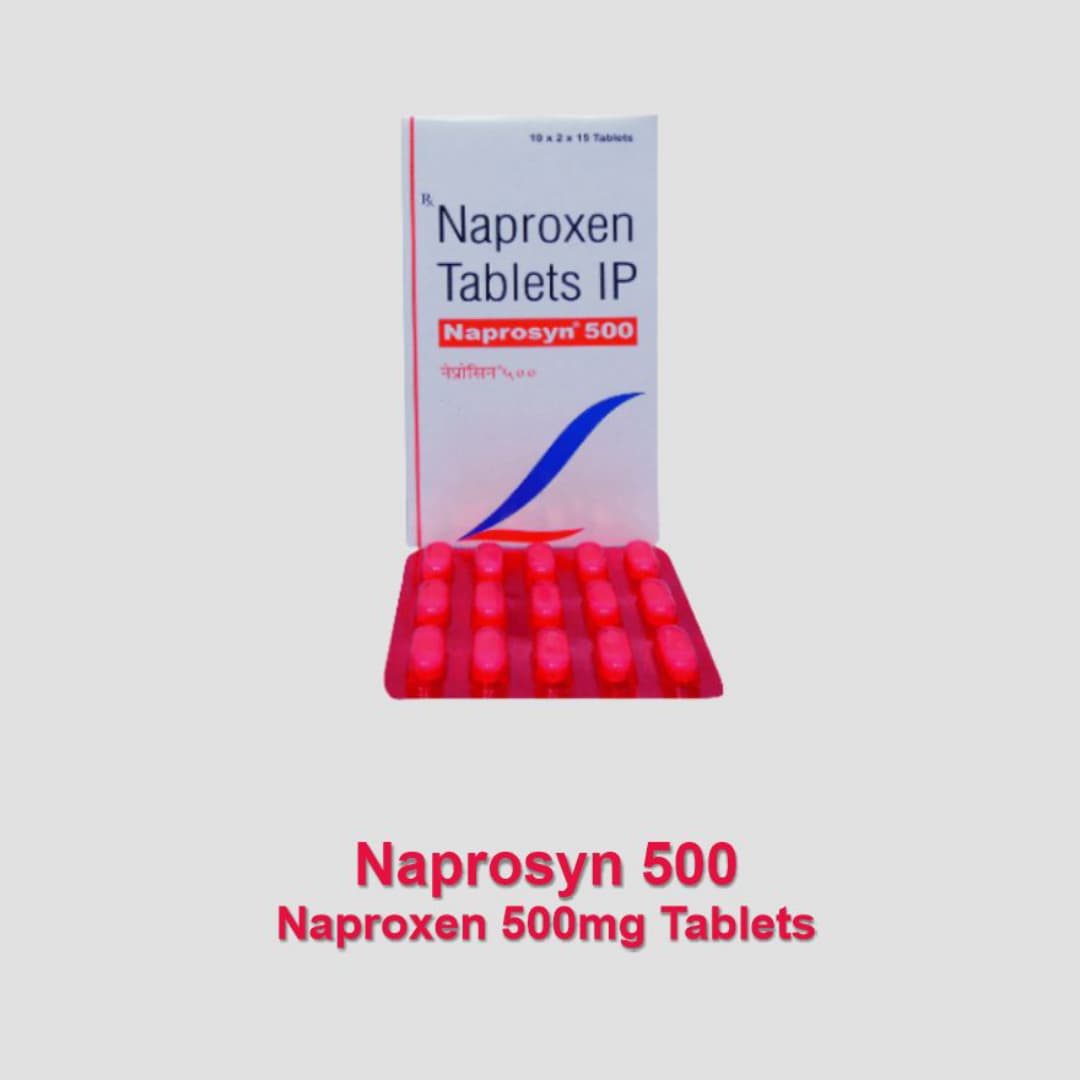
For patients who cannot take triptans or need additional pain relief, physicians may recommend combining treatments. NSAIDs like Naproxen 500mg for migraine pain can complement triptan therapy or serve as an alternative for those with vascular contraindications.
CGRP Pathway Medications: Preventive and Acute Options
Calcitonin gene-related peptide (CGRP) inhibitors represent the most significant advancement in migraine prescription drugs in recent decades. CGRP is a protein that plays a key role in migraine pathophysiology, causing vasodilation and inflammation. Blocking this pathway offers relief for many patients who previously had limited options.
Monoclonal Antibodies: Monthly Preventive Injections
Four CGRP monoclonal antibodies (mAbs) are FDA-approved for preventive migraine treatment. These injectable medications target either the CGRP molecule itself or its receptor:
- Erenumab (Aimovig) Blocks the CGRP receptor; monthly autoinjector
- Fremanezumab (Ajovy) Binds CGRP ligand; monthly or quarterly injection
- Galcanizumab (Emgality) Binds CGRP ligand; monthly injection
- Eptinezumab (Vyepti) Binds CGRP ligand; quarterly IV infusion
Gepants: Oral CGRP Inhibitors
Gepants are small-molecule CGRP receptor antagonists available as oral tablets. Some are approved for acute treatment, while others serve preventive roles:
- Rimegepant (Nurtec ODT) Dual indication for acute and preventive use
- Ubrogepant (Ubrelvy) Acute treatment only
- Atogepant (Qulipta) Preventive use only
| Medication | Type | Administration | Frequency |
|---|---|---|---|
| Erenumab | mAb | Subcutaneous injection | Monthly |
| Fremanezumab | mAb | Subcutaneous injection | Monthly or quarterly |
| Galcanizumab | mAb | Subcutaneous injection | Monthly |
| Eptinezumab | mAb | IV infusion | Quarterly |
| Rimegepant | Gepant | Oral ODT | As needed or every other day |
| Ubrogepant | Gepant | Oral tablet | As needed |
| Atogepant | Gepant | Oral tablet | Daily |
Research continues to demonstrate the real-world impact of these medications. According to Nih, patients initiating erenumab saw a significant reduction in the use of other migraine medications, with approximately 50% decrease in acute medication usage documented in real-world studies.
Before starting any new prescription medication, patients should review what to consider before buying medication online to ensure safe sourcing from legitimate pharmacies.
How to Choose Between Acute Treatment Options
Selecting the right acute migraine medications requires evaluating several clinical factors. Physicians consider individual patient history, comorbidities, and preferences when prescribing migraine pain relief prescriptions.
- Cardiovascular risk Triptans and ergotamines are contraindicated in patients with coronary artery disease
- Speed of onset needed Injection and nasal spray forms work faster than oral tablets
- Response history Prior medication trials guide future prescribing
- Side effect tolerance Some patients experience more adverse effects with certain classes
- Drug interactions SSRIs, MAOIs, and other medications may limit options
For patients with cardiovascular concerns, ditans and gepants offer alternatives without vasoconstrictive properties. Those needing rapid relief may prefer nasal sprays or injectable formulations over oral tablets. Understanding how to read your prescription label helps patients use medications correctly and recognize important safety information.
Cost and insurance coverage also influence medication selection. Newer medications like CGRP inhibitors often carry higher price points, though manufacturer assistance programs may help eligible patients access these treatments.
Preventive Medications: Daily Pills vs Monthly Injections
Preventive migraine treatment is typically recommended for patients experiencing four or more headache days per month, or when acute medications are ineffective or contraindicated. Several medication classes beyond CGRP inhibitors have shown efficacy for migraine prevention.
Beta-Blockers
Originally developed for hypertension, beta-blockers like propranolol and metoprolol have decades of evidence for migraine prevention. These medications reduce neuronal excitability and may decrease the frequency of attacks by 50% or more in responsive patients.
Anticonvulsants
Topiramate and divalproex sodium are FDA-approved for migraine prevention. Topiramate works by modulating neurotransmitter activity and has shown significant reductions in monthly migraine days for many patients. Medications like Pregabalin for neuropathic pain may also be prescribed off-label in certain clinical scenarios.
Antidepressants
Tricyclic antidepressants, particularly amitriptyline, are commonly used for migraine prevention. Venlafaxine, an SNRI, has also demonstrated preventive benefits. These medications affect serotonin and norepinephrine levels, which may influence pain processing.
| Medication Class | Example Drugs | Typical Efficacy | Common Side Effects |
|---|---|---|---|
| Beta-blockers | Propranolol, Metoprolol | 50% reduction in 50% of patients | Fatigue, bradycardia, depression |
| Anticonvulsants | Topiramate, Divalproex | 50% reduction in 50% of patients | Cognitive changes, weight changes, tremor |
| Antidepressants | Amitriptyline, Venlafaxine | Variable; modest improvement | Sedation, dry mouth, weight gain |
| CGRP mAbs | Erenumab, Fremanezumab | 50% reduction in 50-60% of patients | Injection site reactions, constipation |
Preventive medications require patience. Full therapeutic effects may take weeks to months, and finding the right medication often involves trial and adjustment. Regular follow-up with healthcare providers ensures optimal dosing and monitors for side effects.
Newer Prescription Options: Lasmiditan and Ditans
Lasmiditan (Reyvow) represents a newer class of prescription headache medicine called ditans. Unlike triptans, lasmiditan selectively targets 5-HT1F receptors without causing vasoconstriction. This mechanism makes it suitable for patients with cardiovascular disease who cannot take triptans.
The FDA approved lasmiditan in 2019, and it remains the only ditan currently available. Patients take it orally at migraine onset, with effects typically beginning within one to two hours. Clinical trials demonstrated significant pain relief and freedom from bothersome symptoms compared to placebo.
A key advantage of lasmiditan is its cardiovascular safety profile. Because it does not constrict blood vessels, it carries no warnings for patients with coronary artery disease or peripheral vascular conditions. However, it does cause sedation in some patients, and driving is not recommended for at least eight hours after taking it.
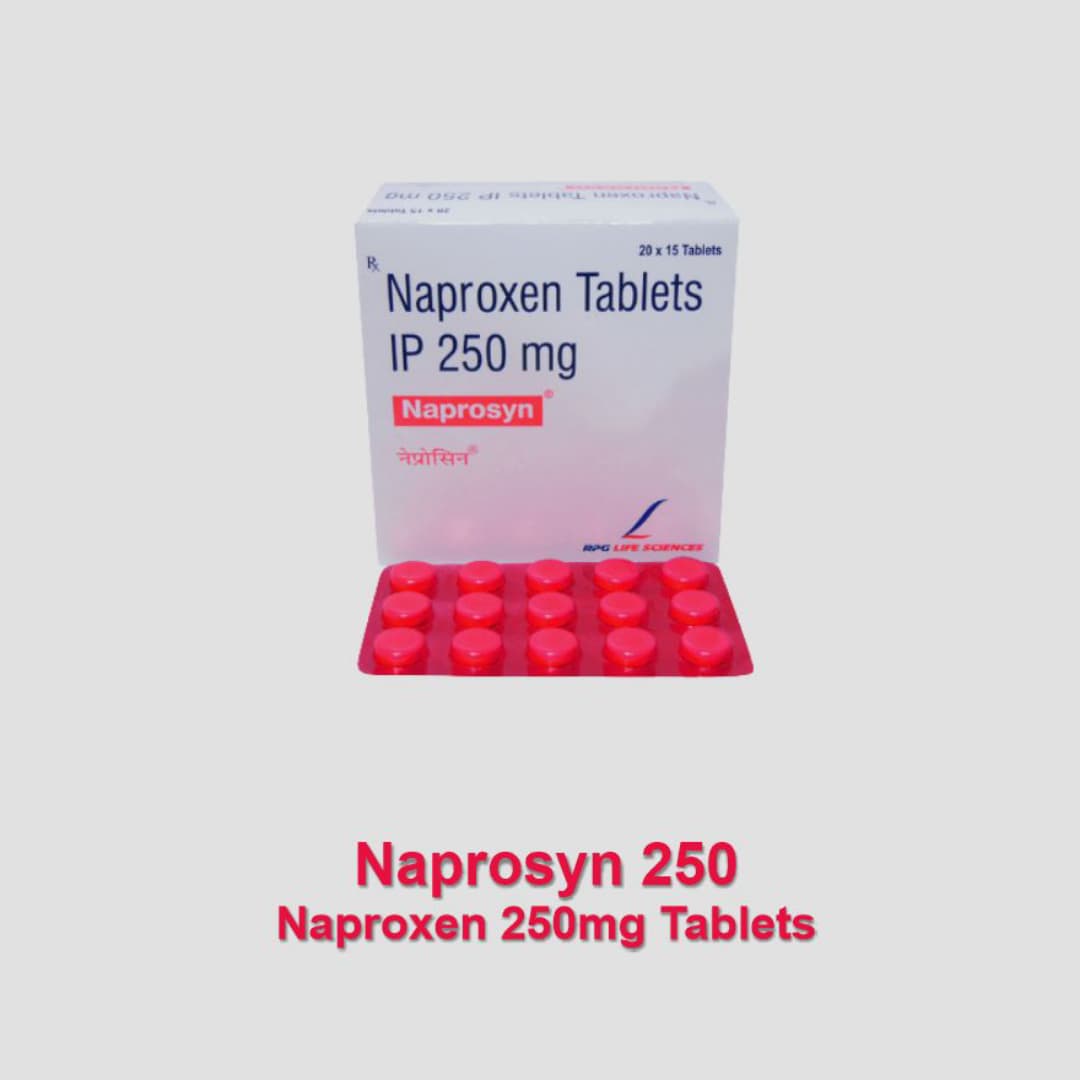
For patients seeking alternatives, options like Naproxen 250mg tablets may provide relief for milder attacks or serve as part of a broader treatment strategy under physician guidance.
Global Access Disparities in Migraine-Specific Medications
Despite advances in treatment, significant disparities exist in access to migraine medication list options worldwide. High-income countries account for the vast majority of migraine-specific medication consumption, while patients in low and middle-income regions often lack access to these therapies.
Several factors contribute to these disparities. Triptans, now generic in many markets, remain expensive or unavailable in developing regions. CGRP inhibitors carry prices that put them out of reach for most patients without comprehensive insurance coverage. Regulatory delays and limited healthcare infrastructure further compound access challenges.
According to Springer, a multinational analysis revealed that migraine-specific medication consumption remains heavily concentrated in high-income countries, with significant access gaps persisting across developing regions despite substantial disease burden.
Online pharmacies have emerged as one option for patients seeking better access and pricing. Understanding secure international checkout processes helps patients navigate cross-border medication purchases safely and legally.
Key Takeaways
- Two treatment categories exist Acute medications stop attacks; preventive medications reduce frequency and severity.
- Triptans remain most prescribed These serotonin agonists are effective but contraindicated in cardiovascular disease.
- CGRP inhibitors represent the newest advance Available as monthly injections (mAbs) or oral tablets (gepants) for prevention and acute treatment.
- Ditans offer cardiovascular-safe alternatives Lasmiditan provides relief without vasoconstriction for patients who cannot take triptans.
- Global access remains unequal Cost and availability disparities limit migraine-specific medication use in many regions.
Frequently Asked Questions
What is the strongest prescription medication for migraines?
There is no single strongest medication. Effectiveness varies by individual and attack characteristics. Triptans remain most commonly prescribed for acute treatment, while CGRP monoclonal antibodies show high efficacy for prevention, with clinical trials demonstrating 50% reduction in monthly migraine days for over half of participants in some studies. The right choice depends on your specific symptoms and medical history.
Can I take preventive and acute migraine medications together?
Yes, they are designed to work together. Preventive medications reduce attack frequency while acute treatments stop breakthrough migraines. In fact, research shows effective prevention can reduce acute medication usage by approximately 50%. Your physician will coordinate both treatments to maximize benefits and minimize interactions.
Are triptans addictive or habit-forming?
No, triptans are not addictive. They do not cause physical dependence or withdrawal symptoms. However, overuse (more than 10 days per month) can lead to medication overuse headache, where the medication itself worsens headache frequency. Following prescribed frequency limits prevents this complication.
How long does it take for CGRP inhibitors to work?
Most patients see improvement within one to three months. Clinical trials show cumulative benefits over the first six months of therapy. Some patients respond within weeks, while others need longer to experience full effects. Physicians typically evaluate response after three months before determining whether to continue therapy.
Can I buy prescription migraine medications online safely?
Yes, from licensed and verified pharmacies. Legitimate online pharmacies require prescriptions, display verification credentials, and offer secure ordering. Patients should check for pharmacy verification seals and ensure medications come from approved manufacturers. Avoid sites offering prescription drugs without requiring a valid prescription.
What happens if triptans do not work for my migraines?
Several alternatives exist for non-responders. Gepants, ditans, and ergotamines offer different mechanisms for acute treatment. Preventive medications may also reduce attack severity and improve acute treatment response. Approximately 30-40% of patients do not respond adequately to their first triptan, so switching formulations or trying alternative classes often helps.